
Skipping a Pap smear can allow early cervical cell changes to stay hidden. These changes usually do not cause pain, bleeding or discharge in the beginning. That is why cervical screening is done when you feel well, not only when symptoms start.
What happens if you skip a Pap smear?
A Pap smear looks for abnormal cells on the cervix. Some abnormal cells can slowly become precancerous, and if they are not found or treated, they may progress toward cervical cancer over time.
The risk is not that missing one appointment immediately causes cancer. The real risk is losing the chance to find changes early, when treatment is simpler and more effective.
If screening is skipped for many years, cervical changes can remain silent. By the time symptoms appear, the condition may need more tests, more treatment and closer follow-up.
- Precancerous cervical cell changes may be missed.
- High-risk HPV-related changes may not be followed in time.
- An abnormal result may be found later than it should be.
- Treatment can become more complex if disease is diagnosed late.
- Anxiety often increases because the next visit has to answer more questions at once.
What is a Pap smear?
A Pap smear, also called a Pap test, is a cervical screening test. During the test, your gynecologist gently collects cells from the cervix with a soft brush or spatula. The sample is sent to a laboratory to check for abnormal cell changes.
The test is quick. Most women feel pressure or mild discomfort for a short time. It should not feel like severe pain. If you feel pain, tell your doctor immediately so the examination can be adjusted.
A Pap smear is different from a routine ultrasound. Ultrasound can look at the uterus and ovaries, but it cannot replace cervical cell screening.
Pap smear, HPV test and cervical screening
Cervical cancer screening may involve a Pap smear, an HPV test, or both. A Pap smear checks cervical cells for abnormal changes. An HPV test checks for high-risk HPV types that can cause these changes.
For many women, the right screening test depends on age, previous results, HPV history and medical risk. Some women need Pap testing every 3 years. Some may be advised HPV testing or co-testing at longer intervals. Your gynecologist can guide the schedule based on your history.
- Pap smear checks for abnormal cervical cells.
- HPV test checks for high-risk HPV infection.
- Co-testing uses both Pap smear and HPV test.
- Screening is still needed after HPV vaccination because vaccines do not cover every high-risk type.
- Women with previous abnormal results may need a different follow-up schedule.
Do you need a Pap smear if you have no symptoms?
Yes. A Pap smear is meant for women who may have no symptoms. Early cervical cell changes are usually silent. Waiting for pain, bleeding or discharge can mean waiting too long.
Many women postpone screening because periods are regular, there is no pain, or they feel healthy. That is exactly why preventive care matters. Screening can find a problem before it becomes visible in daily life.
At Raheja Clinic, Dr Tripti Raheja explains screening in a simple way so patients know what test is being done, why it matters and what the result means.
Warning symptoms that should not be ignored
A Pap smear is not only for women with symptoms. Still, certain symptoms need prompt gynecology review because they can be linked to cervical, uterine, vaginal, hormonal or infection-related causes.
These symptoms do not always mean cancer. But they should not be dismissed or managed only with home remedies.
- Bleeding after intercourse.
- Bleeding between periods.
- Bleeding after menopause.
- Persistent foul-smelling vaginal discharge.
- Pelvic pain that does not settle.
- Pain during intercourse.
- Unexplained spotting after a long gap from screening.
How often should you get screened?
Screening frequency depends on your age, previous Pap smear results, HPV test results and medical history. Many international guidelines recommend starting routine cervical screening in early adulthood and continuing until around 65 years if previous results are normal.
Women who have not been screened regularly may need screening beyond the usual stopping age. Women with HIV, weak immunity, previous high-grade cervical changes or cervical cancer history may need a more personalised plan.
If you are unsure when your last Pap smear was done, do not guess. Book a consultation and bring any old reports. Your doctor can decide whether you need a Pap smear, HPV test, co-test, repeat test or further evaluation.
How to prepare for a Pap smear
A little preparation can make the test easier and may help avoid an unclear result. If you have active bleeding, infection symptoms or severe pelvic pain, tell your doctor before the examination.
- Try to book the test when you are not on your period.
- Avoid intercourse for 48 hours before the test if advised.
- Avoid vaginal medicines, douching or spermicidal products before the test unless your doctor says otherwise.
- Empty your bladder before the examination.
- Take slow breaths and relax your pelvic muscles.
- Tell your doctor if you are anxious, have pain, or have had a difficult examination before.
What if your Pap smear result is abnormal?
An abnormal Pap smear does not automatically mean cervical cancer. It may show mild cell changes, inflammation, infection-related changes, HPV-related changes, or changes that need closer evaluation.
The next step depends on the report. Your doctor may advise repeat testing, HPV testing, colposcopy, biopsy or treatment of a precancerous area. The important thing is to follow up instead of ignoring the result.
If your report is unclear or you do not understand the words written in it, bring the report to a gynecologist and obstetrician. A calm explanation can prevent unnecessary panic.
If you are overdue, what should you do now?
If you skipped screening for a few years, the next step is not guilt. The next step is booking the test. Tell your doctor when you last had screening, whether results were normal, and whether you have any symptoms.
A visit with Dr Tripti Raheja can help you understand whether you need a Pap smear, HPV test, pelvic examination, infection treatment, colposcopy or another follow-up. Patients looking for a gynecologist in Delhi often need this kind of clear preventive care, not just treatment after symptoms become severe.
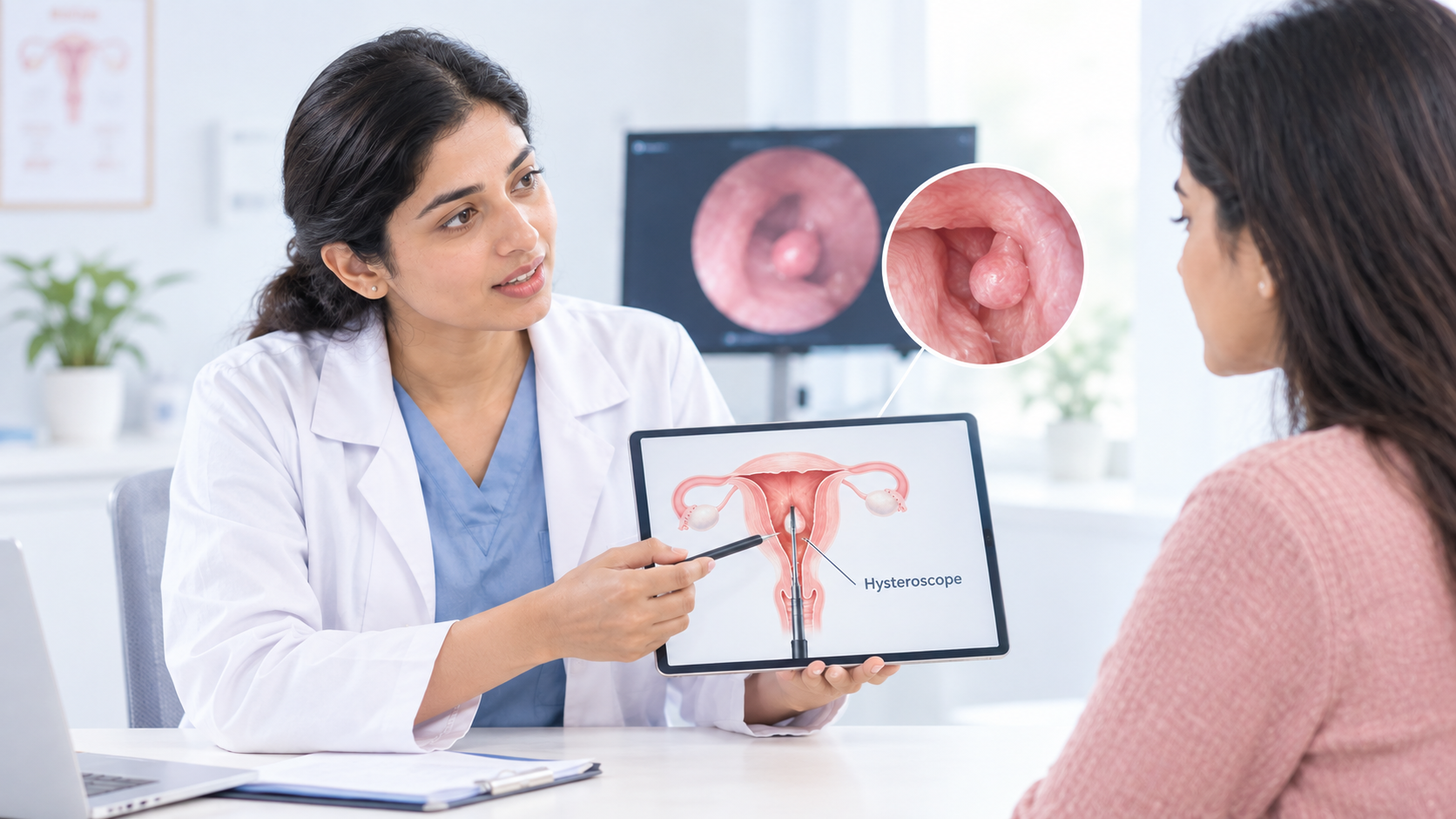
If your concern includes abnormal bleeding, Dr Tripti Gynecologist may also evaluate whether the bleeding is coming from the cervix, uterus, hormones, infection, fibroids or another cause. Sometimes additional tests such as ultrasound or hysteroscopy may be discussed.
Resources
Common questions
What happens if I skip a Pap smear?
Skipping a Pap smear can allow abnormal cervical cell changes to go undetected. These changes usually do not cause symptoms early, so screening is the safest way to find them before they become harder to treat.
Is a Pap smear painful?
Most women feel pressure or mild discomfort, not severe pain. If you feel pain, tell your doctor immediately. Relaxing your pelvic muscles and taking slow breaths can make the test easier.
Do I need a Pap smear if I have no symptoms?
Yes. A Pap smear is a screening test, which means it is done before symptoms appear. Early cervical cell changes often do not cause bleeding, pain or discharge.
What is the difference between a Pap smear and an HPV test?
A Pap smear checks cervical cells for abnormal changes. An HPV test checks for high-risk HPV types that can cause those changes. Depending on your age and history, your doctor may advise one test or both.
How long does a Pap smear result take?
Result timing depends on the laboratory. It may take a few days to a few weeks. Ask your doctor when to expect the report and how the result will be shared.
Does an abnormal Pap smear mean cancer?
No. An abnormal Pap smear does not always mean cancer. It may show inflammation, HPV-related changes or precancerous changes. Your doctor may advise repeat testing, HPV testing, colposcopy or biopsy depending on the report.
Can I get a Pap smear during periods?
It is usually better to schedule the test when you are not bleeding because heavy bleeding can affect sample quality. If you have unexpected bleeding or urgent symptoms, speak to your doctor before cancelling.
Who should not delay cervical screening?
Do not delay if you have never had screening, missed screening for many years, had a previous abnormal result, or have symptoms such as bleeding after intercourse, bleeding between periods, postmenopausal bleeding or persistent unusual discharge.