
Where women's health is met with compassionate care✳
Dr. Tripti Raheja, Director of Obstetrics and Gynaecology with 29+ years of experience in safe deliveries, high-risk pregnancy and advanced laparoscopic surgery.
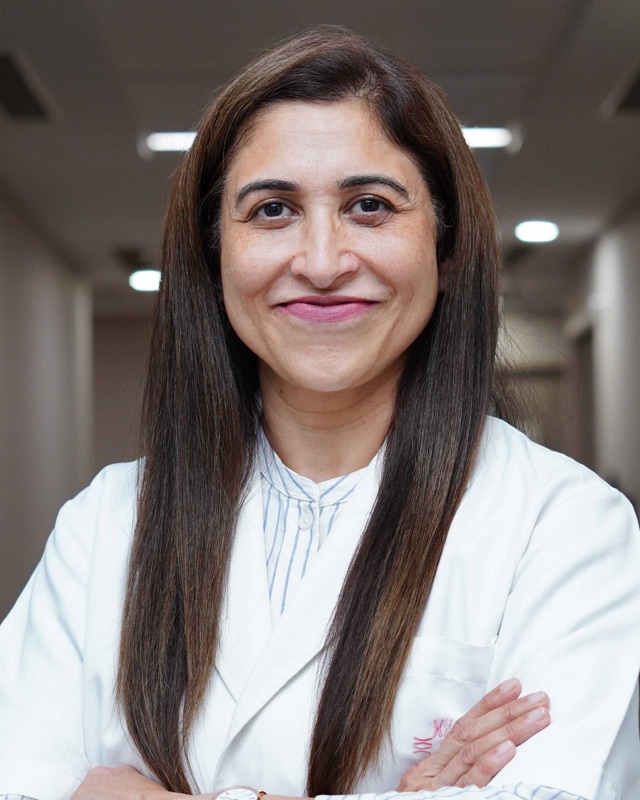
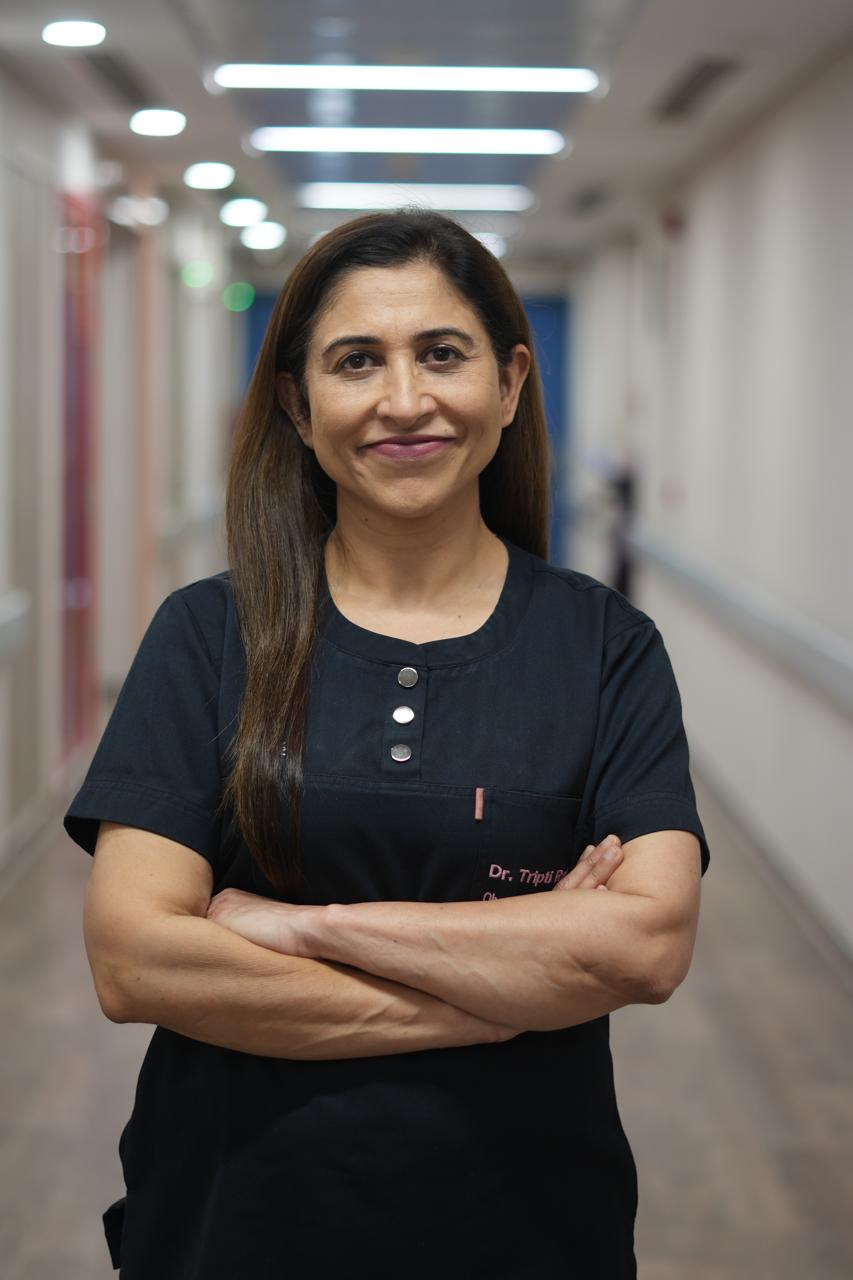
Empowering women to take control of their health, making informed decisions that lead to happier, healthier lives.
A trusted name in women's healthcare
Dr. Tripti Raheja is a renowned gynecologist, obstetrician, and laparoscopic surgeon with over 29 years of experience. Currently working as Director of Obstetrics and Gynaecology in CK Birla Hospital Punjabi Bagh, Delhi, she is widely recognised as a trusted gynecologist across North and West Delhi.
- MD Obstetrics and Gynaecology
- Gold Medalist, Lady Hardinge Medical College
- MRCOG, London
- FRCOG, London
- High-risk pregnancy & Minimally invasive Gynaecological Surgeries
Complete care, at every stage
With expertise and dedication, you can expect nothing but the finest care for all your women's health concerns.

High Risk Pregnancy
During the 9 months of your pregnancy you are supported and provided evidence based care. You can also join our antenatal classes in Delhi.
Learn more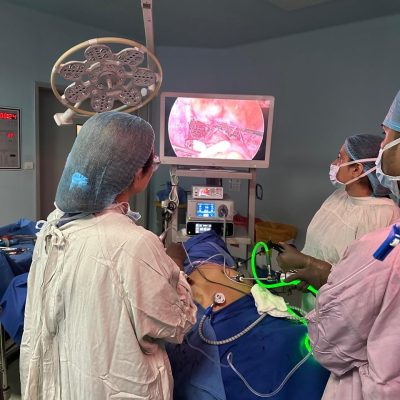
Laparoscopic Surgery
Laparoscopy is a minimally invasive surgical procedure used to diagnose and treat several conditions in the abdominal and pelvic areas, offering a clear view of internal organs.
Learn more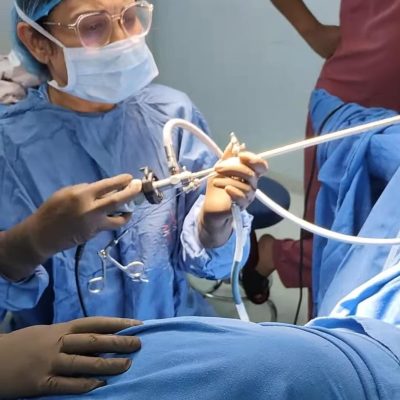
Hysteroscopy Surgery
Hysteroscopy lets your doctor look inside your uterus using a narrow tube-like instrument called a hysteroscope, about 3 to 5 millimetres in diameter.
Learn more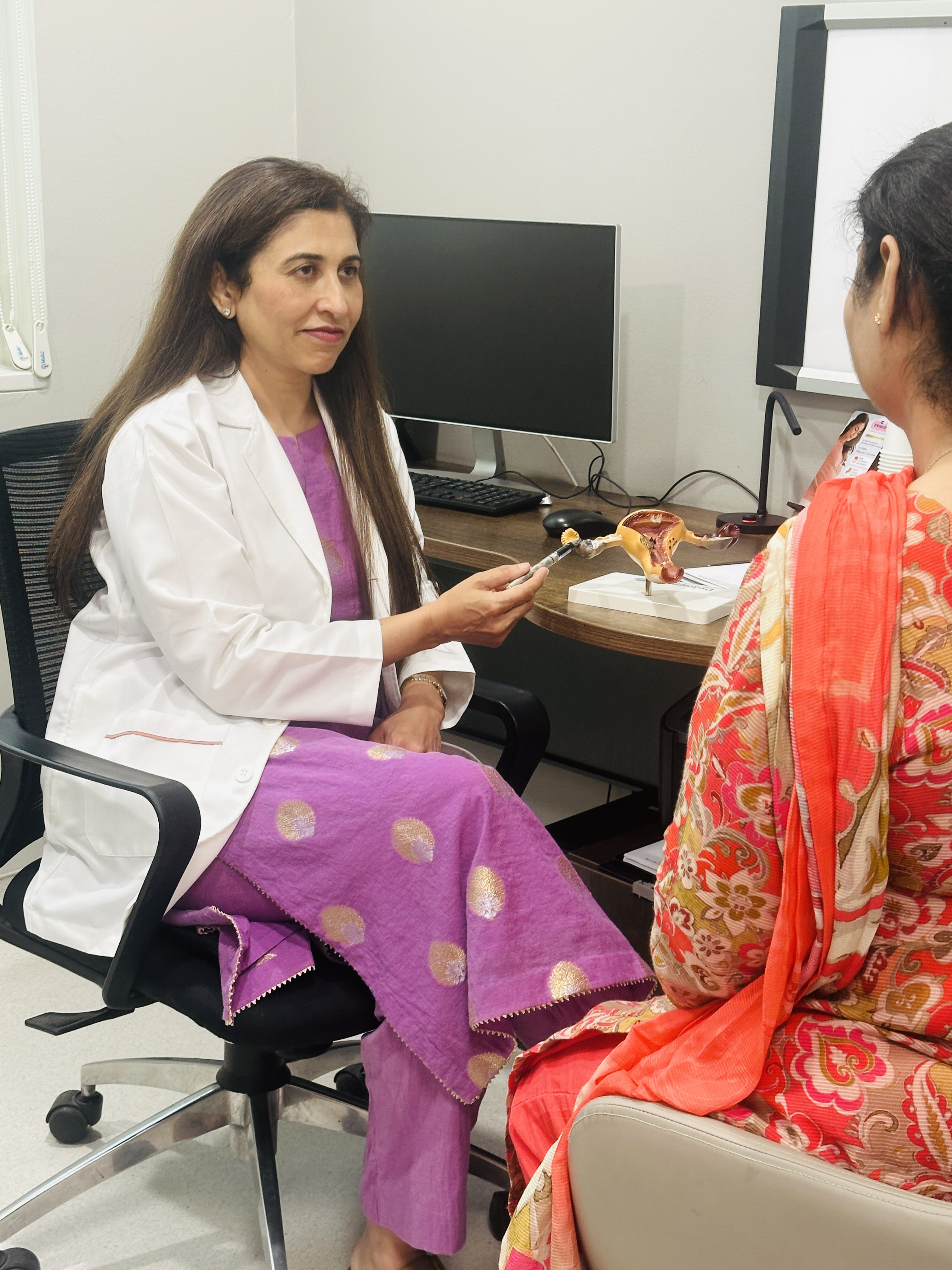
Infertility Treatment
Advanced, compassionate care for fibroids and infertility. Fibroids are non-cancerous tumors of the female reproductive system that grow from the muscle layer of the uterus.
Learn more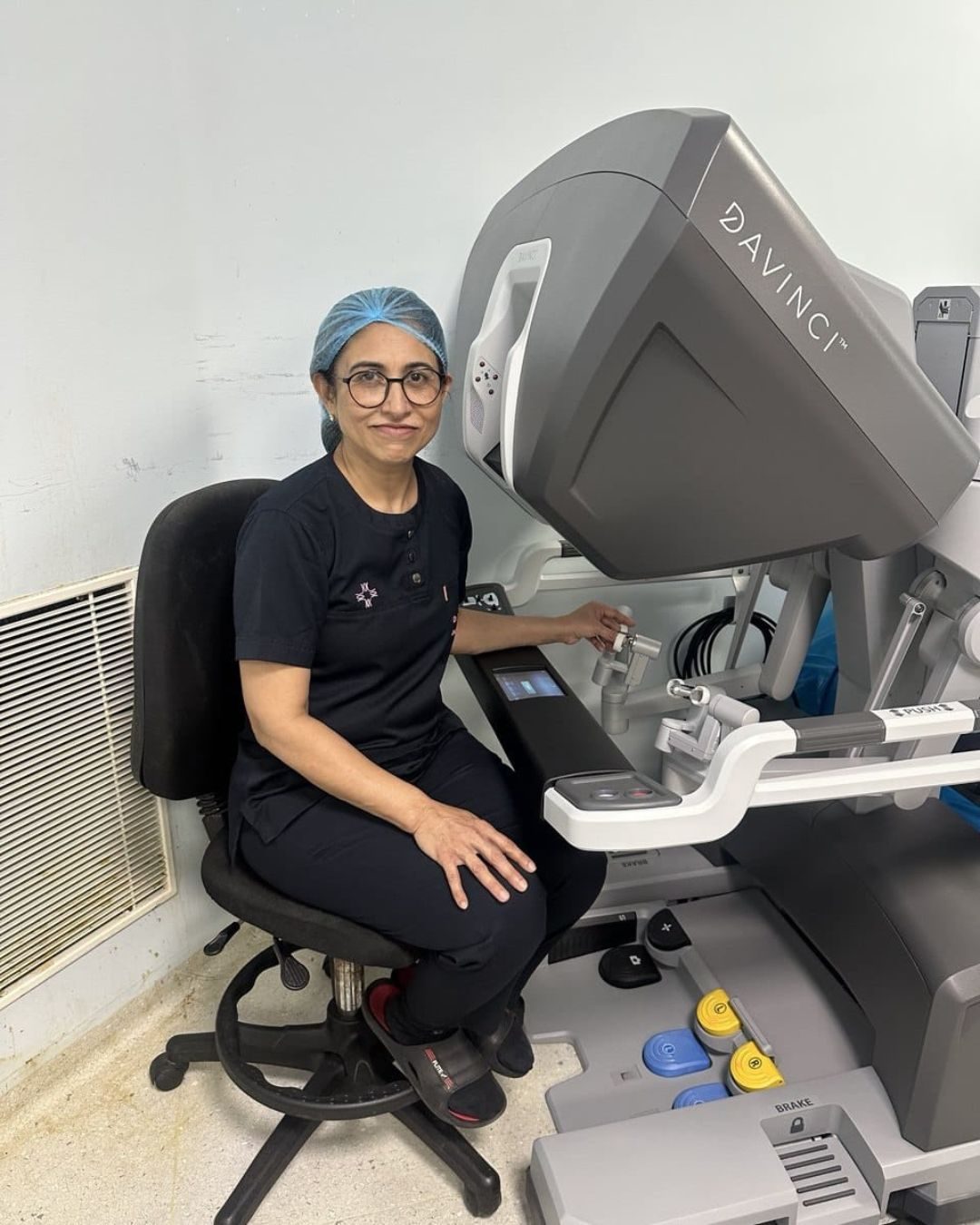
Robotic Gynae Surgery
An advanced, minimally invasive technique that allows surgeons to perform highly precise and complex procedures using a robotic-assisted system such as the da Vinci Surgical System.
Learn moreNot sure which care path fits?
What brings you here today?
How this works
Three gentle steps from your first call to personalised care.
Book an appointment
Call us or fill the form to schedule a consultation at a time that suits you.
Meet & consult
Discuss your concerns with Dr. Tripti and get an accurate, personalised diagnosis.
Personalised care
Receive a tailored treatment plan and dedicated follow-up support throughout.
Say the right thing when booking
What is this about?
Frequently asked questions
What should you ask your doctor before a hysterectomy?
Before a hysterectomy, it is important to ask your doctor about the reason for the surgery, possible alternatives, the type of procedure, recovery time, potential risks, and how it may affect your hormones or future health. Understanding these points helps you make an informed decision.
What is PCOS and how is it treated?
PCOS (Polycystic Ovary Syndrome) is a hormonal disorder that can cause irregular periods, weight gain, and infertility. Treatment usually includes lifestyle changes, medication, and proper medical monitoring.
Is laparoscopic surgery available?
Yes, we provide advanced laparoscopic and hysteroscopic surgeries for various gynecological conditions.
Is nausea normal during pregnancy?
Yes, nausea and vomiting are common during the early months of pregnancy and are often referred to as morning sickness. These symptoms usually improve after the first trimester.
How can expecting mothers prepare for labor?
Expecting mothers can prepare for labor by attending regular prenatal check-ups, maintaining a healthy diet, staying physically active as advised, learning breathing and relaxation techniques, and preparing a hospital bag in advance.
What diet should I take after c-section?
After a c-section, focus on nutrient-rich foods including proteins, whole grains, fruits, and vegetables to aid healing. Drink plenty of water, avoid heavy or spicy foods initially, and eat smaller, frequent meals. Consult your doctor for personalized dietary recommendations based on your recovery.
How to take care of stitches after c-section?
Keep the incision clean and dry, wash gently with soap and water, pat dry with a clean towel, and avoid submerging it in water until fully healed. Wear loose clothing, avoid heavy lifting, and watch for signs of infection like redness, warmth, or discharge. Follow your doctor's wound care instructions carefully.
How many days of bed rest is needed after c-section?
Most women need 2-3 weeks of limited activity and bed rest after c-section. However, gentle movement is encouraged from day one. Full recovery typically takes 6-8 weeks. Always follow your doctor's specific recommendations as recovery varies based on individual circumstances.
Which technique to choose for fibroid surgery - Laparoscopic or Robotic?
Both laparoscopic and robotic techniques are minimally invasive with faster recovery than open surgery. Robotic surgery offers enhanced precision and visualization, making it ideal for complex cases. Your doctor will recommend a suitable approach based on fibroid size, location, and your individual health condition.
What exercises will help in normal delivery?
Pelvic floor exercises (Kegel exercises), walking, swimming, prenatal yoga, and squats are beneficial during pregnancy. These exercises strengthen muscles needed for delivery, improve circulation, and enhance flexibility. Always consult your doctor before starting any exercise routine during pregnancy.
How to differentiate between true labour pains and false pains?
True labour pains occur at regular intervals, gradually become stronger and closer together, and persist regardless of movement. False labour pains (Braxton Hicks) are irregular, often stop with movement, and don't increase in intensity. Contact your doctor if unsure or if pains become severe.
What diet should I take after uterus removal?
After uterus removal, eat a balanced diet rich in protein, iron, vitamins, and minerals to support healing. Include whole grains, fruits, vegetables, lean meats, and dairy. Stay hydrated and avoid heavy, greasy, or spicy foods initially. Your doctor may recommend specific nutritional guidelines for your recovery.
Does uterus removal affect intimacy?
Uterus removal does not affect the ability to have a satisfying intimate life. Once fully healed (typically 6-8 weeks), intimacy can be resumed. Some women report improved quality of life due to relief from symptoms. Any concerns should be discussed with your doctor.
How much time it takes to recover after uterus removal surgery?
Initial recovery takes 2-3 weeks, but complete recovery typically takes 6-8 weeks. Return to light activities gradually, avoid heavy lifting, and follow doctor's guidelines. Robotic or laparoscopic surgery may have faster recovery compared to open surgery. Each woman's recovery is individual.
Why is robotic technique preferred by patients for uterus removal?
Robotic technique offers enhanced precision, smaller incisions, reduced blood loss, and faster recovery compared to traditional open surgery. Patients experience less pain, shorter hospital stays, and quicker return to normal activities. The advanced visualization allows surgeons to perform complex procedures with greater accuracy.
Book an Appointment
Get the care you deserve. With our expertise and dedication, you can expect nothing but the finest care for all your women's health concerns.
- 29+ years of clinical experience
- Compassionate, patient-first care
- Advanced laparoscopic & robotic surgery