Sometimes the honest answer is no. A laparoscopy is the right decision when a scan cannot answer the question, when something treatable needs removing, or when pain or infertility has no explanation after proper investigation. It is the wrong decision when it is being used to look for something an ultrasound has already ruled out. This article will help you work out which of those situations you are in, and explains what the surgery is actually like afterwards, including the part most people are never warned about.
What a laparoscopy actually is
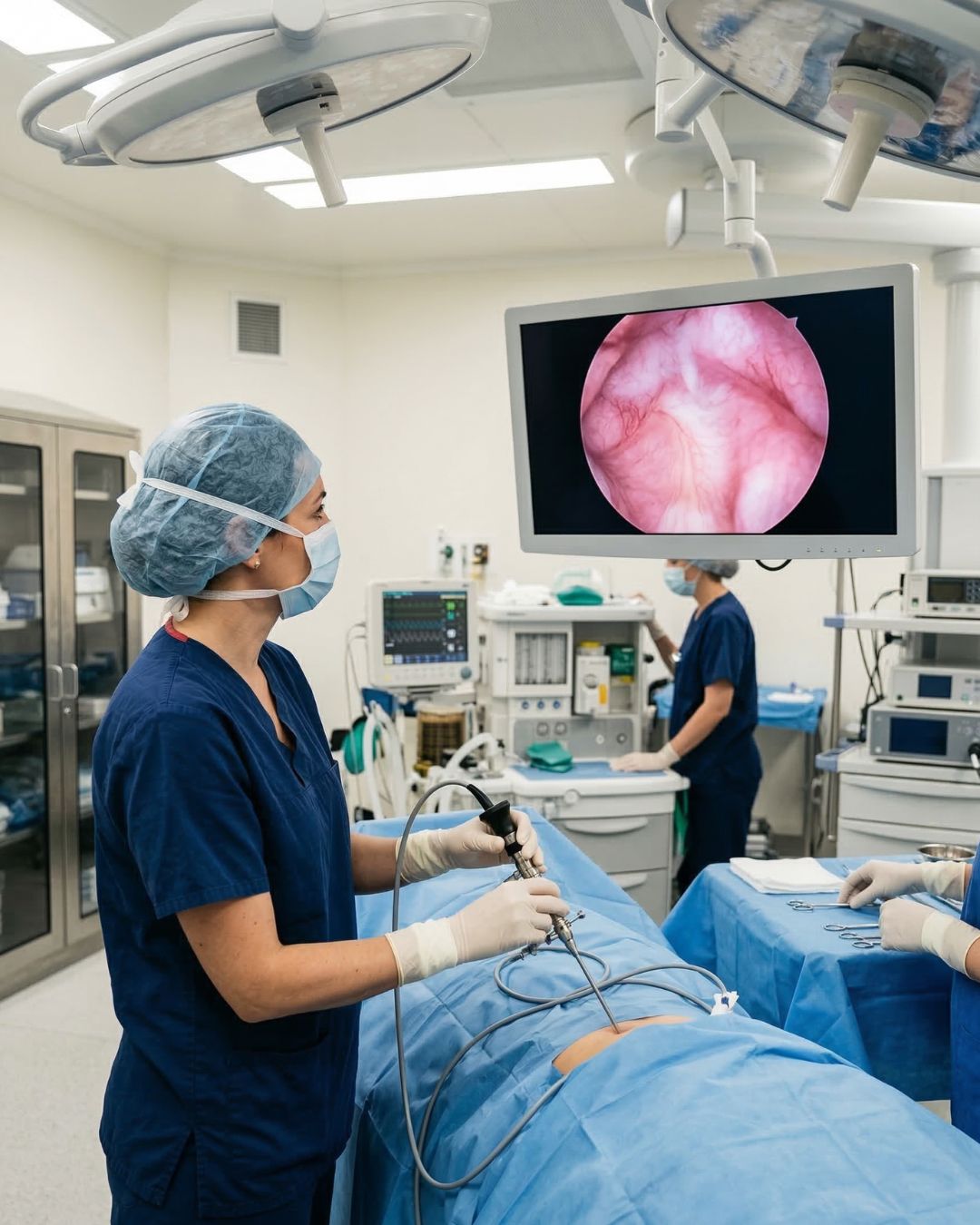
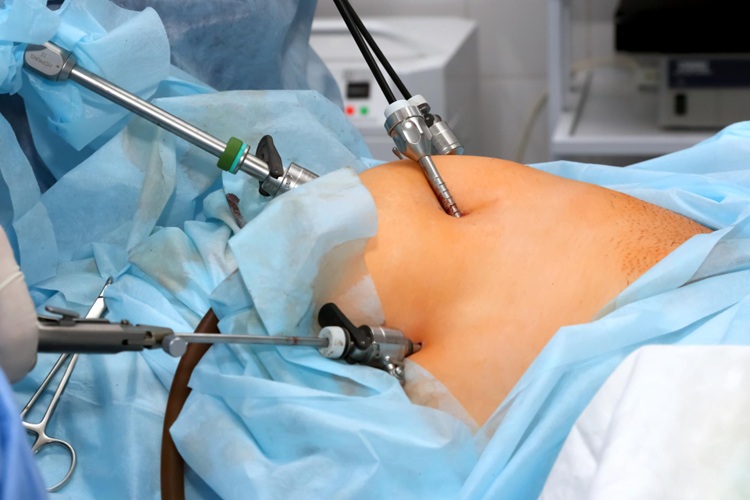
A laparoscopy is surgery performed through two to four small cuts, usually half a centimetre to one centimetre each, rather than through one long incision. Carbon dioxide gas is used to gently lift the abdominal wall away from the organs, creating room to work. A camera passes through one cut and fine instruments through the others, and the surgeon operates while watching a magnified view on a screen.
That magnification matters more than most patients realise. Structures such as the fallopian tubes, or small deposits of endometriosis, are seen far more clearly through a laparoscope than by the naked eye in open surgery. Keyhole surgery is not simply open surgery through smaller holes; in some situations it genuinely shows more.
Two very different operations share the same name, and knowing which one is being proposed changes everything:
- Diagnostic laparoscopy looking, in order to find an answer. Shorter, usually day-care, and a quick recovery
- Operative laparoscopy treating something, such as removing a cyst, a fibroid, an ectopic pregnancy or the uterus itself. Longer, sometimes an overnight stay, and a longer recovery
Being told "you need a laparoscopy" without being told which of these is meant is the single most common reason patients arrive in clinic anxious. If nobody has specified, ask.
When a laparoscopy is genuinely needed
There are clear situations where keyhole surgery is the correct and often the best available option:
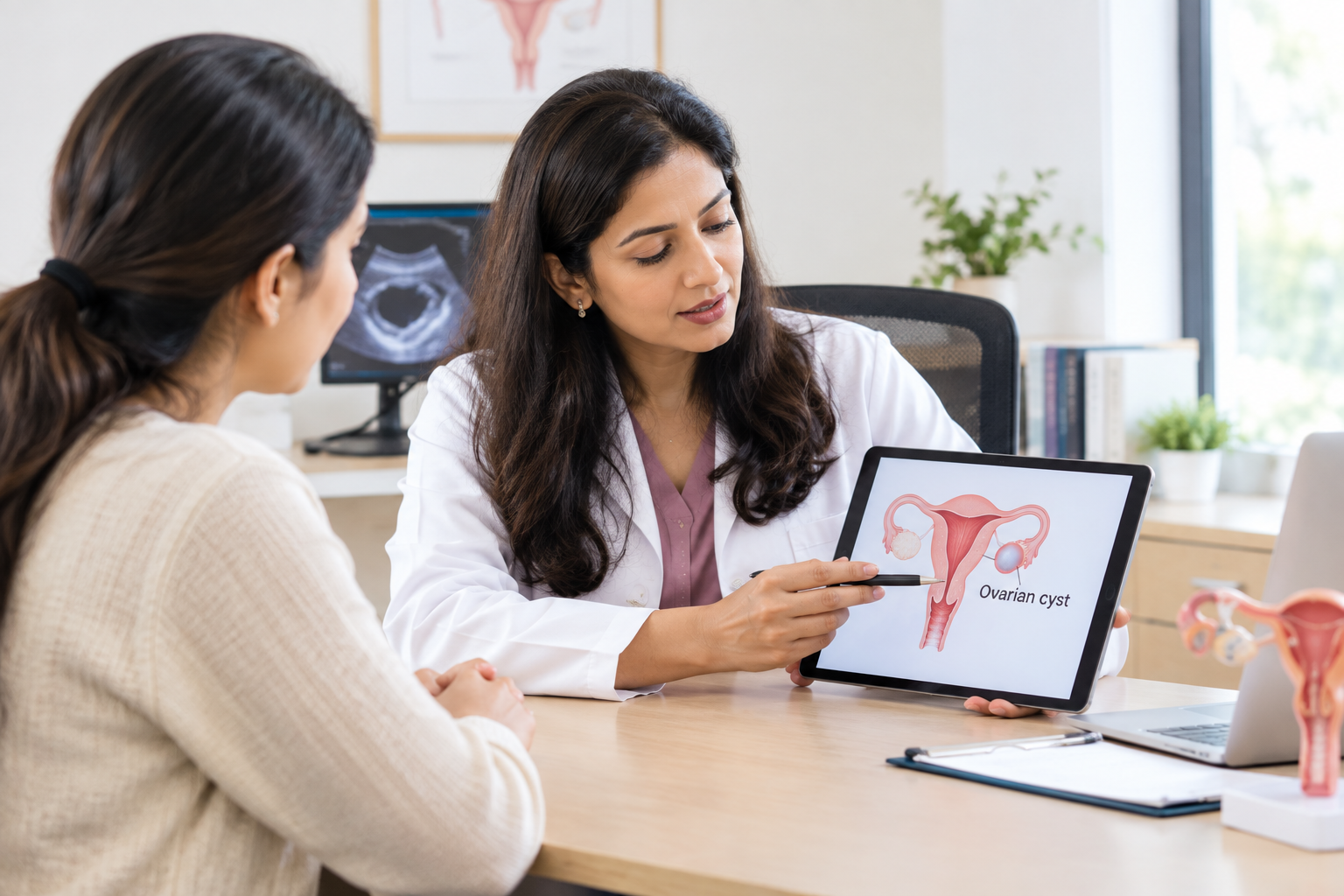
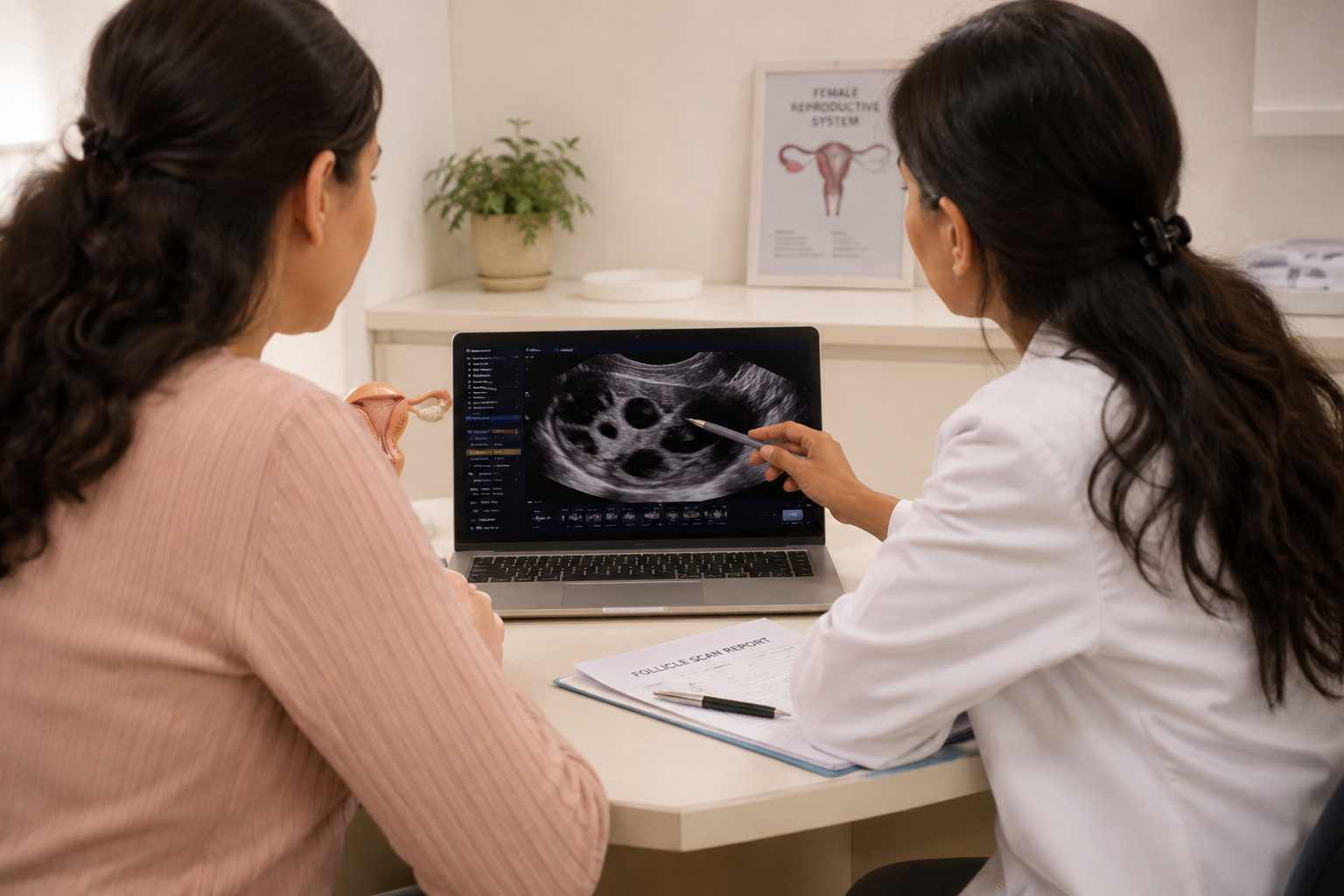
- A persistent ovarian cyst one that is large, growing, or has concerning features on a scan. Simple cysts under about 5 cm frequently resolve on their own and are usually watched rather than operated on
- Suspected endometriosis endometriosis is often invisible on ultrasound, and laparoscopy remains the only way to see and treat it directly
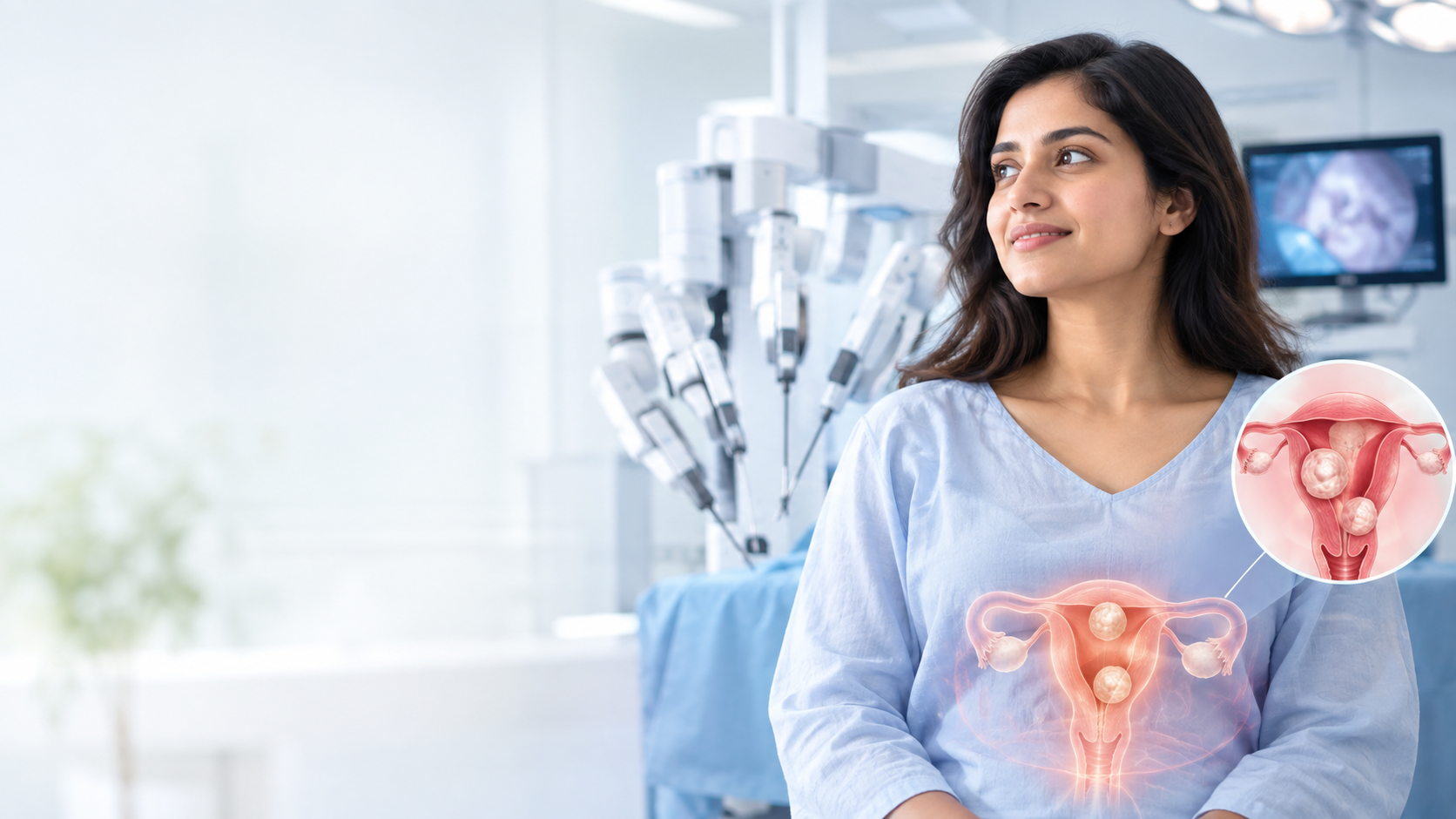
- Fibroids causing symptoms where size and position make keyhole removal feasible
- Ectopic pregnancy usually urgent, and almost always managed this way
- Unexplained infertility after a full workup, particularly where disease of the fallopian tubes is suspected
- Chronic pelvic pain once infection, bowel and urinary causes have been properly excluded
- Hysterectomy where the keyhole route avoids a large abdominal incision and a much longer recovery
When you probably do not need one
This is where most articles stop short, so let me be direct. A laparoscopy is real surgery under general anaesthesia, and there are situations where waiting or trying something simpler is the better medicine.
- A normal scan and mild period pain try medical management first. Pain that responds to treatment does not need a camera
- One small simple cyst repeat the scan after six to twelve weeks. A large proportion disappear without any intervention
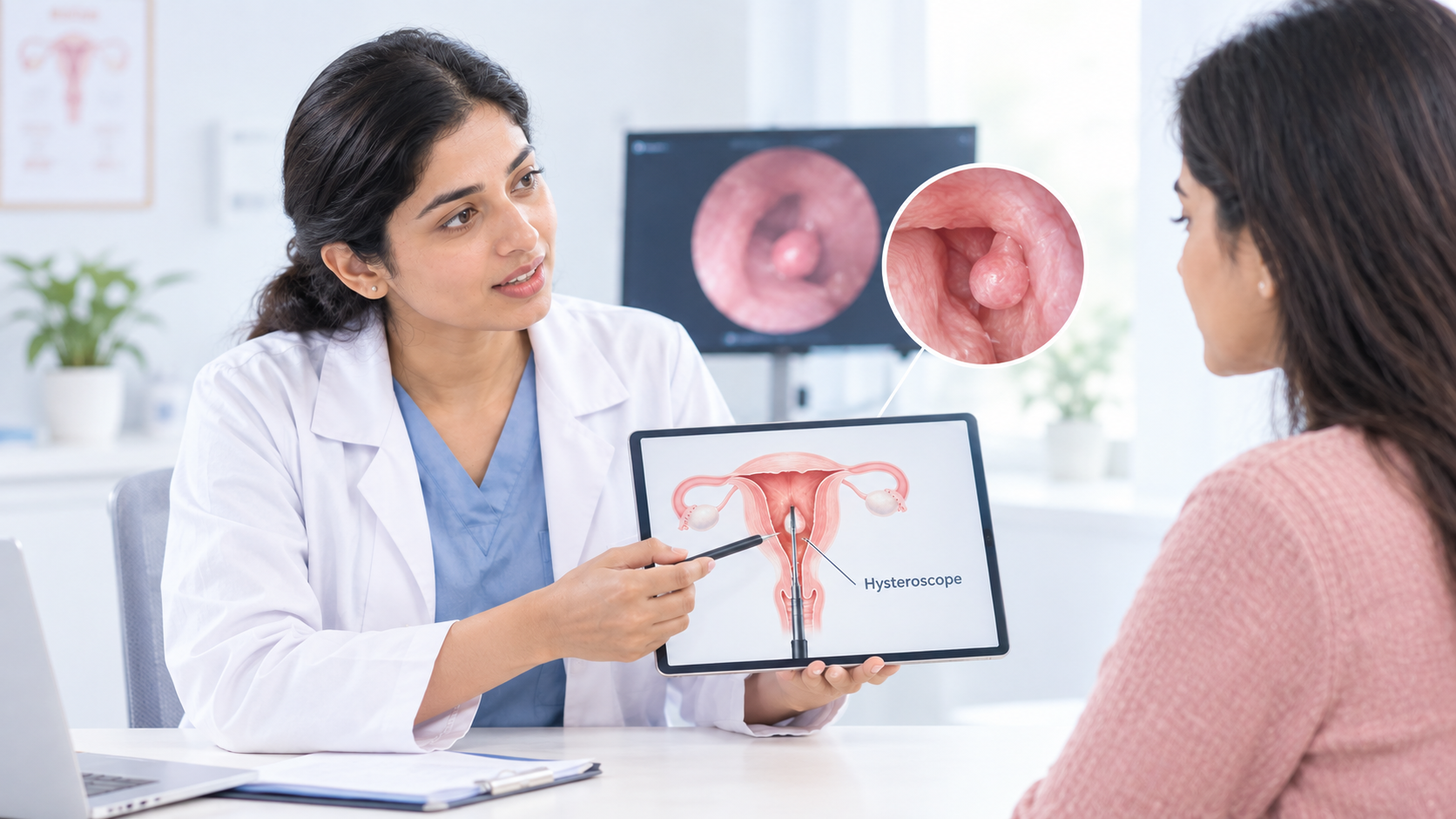
- Bleeding from inside the uterus polyps, a thickened lining or adhesions are reached through the cervix by hysteroscopy, with no abdominal cuts at all. A laparoscopy would be the wrong operation entirely
- Infertility before basic tests semen analysis, confirmation of ovulation and a tubal patency test come first. Some couples go straight to treatment and never need surgery
- Cases where open surgery is safer very large fibroids, dense adhesions from previous operations, or suspected malignancy sometimes make the open route the better choice
That last point deserves emphasis, because it is counter-intuitive. A surgeon who never converts to open surgery is not being skilful, they are being inflexible. The ability to change approach mid-operation when the anatomy demands it is a safety feature, not a failure.
If you are unsure about a recommendation, seeking a second opinion before scheduling surgery is entirely reasonable, and no good surgeon will take offence at it.
The shoulder pain nobody warns you about
Here is the thing patients most often telephone about afterwards, convinced something has gone badly wrong.
For a day or two after keyhole surgery, many people develop a sharp ache in the tip of the shoulder and the base of the neck nowhere near where they were actually operated on. This is normal and entirely expected. A small amount of the carbon dioxide gas remains trapped under the diaphragm and irritates the phrenic nerve, which happens to share its nerve supply with the skin over the shoulder. The brain interprets the signal as shoulder pain. It is referred pain, not an injury.
It settles within 24 to 72 hours as the gas is absorbed. Gentle walking, a heat pack on the shoulder and simple painkillers all help. Lying flat often makes it worse, and propping yourself up on pillows usually eases it. Knowing this in advance turns a frightening night into a manageable one.
What recovery actually looks like
Recovery timelines depend entirely on which operation you had, not on how small the cuts look:
- Diagnostic laparoscopy home the same day, desk work in three to five days, and driving once you can brake sharply without hesitating, usually about a week
- Cyst or fibroid removal often one night in hospital, back to routine in one to two weeks, and no heavy lifting for around four weeks
- Laparoscopic hysterectomy one to two nights in hospital, light activity from the first week, but a full four to six weeks before heavy lifting or strenuous exercise
In the first week, expect bloating and a swollen-feeling abdomen, tiredness that seems disproportionate to the size of the cuts, some light vaginal spotting, and tenderness around the navel incision. All of this is ordinary.
Call your doctor promptly, however, for fever, pain that is worsening rather than settling, redness or discharge from a wound, heavy bleeding, calf pain or swelling, or difficulty passing urine.
The point patients most often underestimate is that recovery is driven by the surgery done inside, not by the size of the scars outside. Small cuts do not mean nothing happened. Rest accordingly, and resist the pressure to return to everything too quickly.
The consent conversation you should insist on
Before any laparoscopy, get clarity on one specific point: what happens if the surgeon finds something unexpected?
Occasionally a planned diagnostic look reveals endometriosis, adhesions or a diseased fallopian tube that would ideally be dealt with in the same sitting. Treating it there and then avoids a second anaesthetic and a second recovery. But it can only be done if you have consented in advance.
So ask directly: if you find something treatable while I am asleep, what are you authorised to do, and what will you leave for a separate discussion with me? A clear answer, written into your consent form, prevents the far worse experience of waking to a procedure you did not agree to, or needing a second operation that could have been avoided. Ask about the possibility of conversion to open surgery in the same conversation.
Anaesthesia, scars and the practical questions
The questions that come up most often in clinic, answered plainly:
- Anaesthesia general anaesthesia in almost all cases, so you will be fully asleep. You will usually be asked not to eat for about six hours beforehand and not to drink clear fluids for two
- Scars the cuts are small and usually placed at the navel and low on the abdomen, where underwear covers them. They fade substantially over six to twelve months
- Insurance most Indian health policies cover laparoscopic gynaecological surgery, but some older policies carry day-care clauses requiring a minimum admission period. Confirm this with your insurer before admission rather than at discharge
- Fertility cyst and fibroid removal is performed with ovarian and uterine function in mind. If you intend to conceive later, say so explicitly before surgery, because it genuinely influences technique
The bottom line
A laparoscopy is a good operation that is sometimes recommended too readily. Before agreeing to one, ask three questions: what question will this answer, what happens if I wait three months, and what is the alternative?
If the answers are clear and specific, go ahead with confidence keyhole surgery is safer, less painful and far quicker to recover from than the open operations it replaced. If the answers are vague, get a second opinion first. If you are looking for a laparoscopic surgeon in North Delhi, consultations are available at Raheja Clinic in Vijay Nagar and at C K Birla Hospital, Punjabi Bagh, and bringing your scans and previous reports with you will make that conversation far more useful.
Resources
Common questions
How long does a laparoscopy take?
A diagnostic laparoscopy usually takes about 30 to 45 minutes. Operative procedures take longer typically one to two hours for cyst or fibroid removal, and two to three hours for a laparoscopic hysterectomy. Plan for a longer day than the operating time suggests. Admission, anaesthetic preparation and recovery-room monitoring add several hours on either side.
Is a laparoscopy painful?
You feel nothing during the procedure itself, as it is done under general anaesthesia. Afterwards, most women describe soreness and bloating rather than severe pain, and it is well controlled with ordinary painkillers. The unexpected part is referred shoulder-tip pain from the carbon dioxide gas used during surgery. It is harmless and settles within one to three days, but it surprises people who have not been warned about it.
Will I be able to have children after laparoscopic surgery?
In most cases yes, and often laparoscopy improves fertility rather than harming it treating endometriosis, removing fibroids or clearing adhesions can all make conception more likely. Technique matters here, so tell your surgeon before the operation if you intend to conceive. Preserving healthy ovarian tissue and repairing the uterus carefully are deliberate choices made during surgery, not afterwards.
How much does laparoscopic surgery cost in Delhi?
Cost varies widely with the procedure, the hospital and the length of stay, so any single figure quoted online is unreliable. A diagnostic laparoscopy sits at the lower end; a laparoscopic hysterectomy at the higher end. Most Indian health insurance policies cover laparoscopic gynaecological surgery. Check your policy for day-care clauses that require a minimum admission period, and ask the hospital for a written estimate before admission.
Can a laparoscopy be done during my period?
It is usually avoided during active bleeding, though it is not dangerous. Surgery is generally scheduled in the first half of the cycle, after the period has finished. For fertility-related procedures the timing may be chosen deliberately in relation to your cycle, so follow the date your surgeon gives you rather than assuming.
How soon can I climb stairs, travel or return to work?
Stairs are fine from the first day, taken slowly walking is actively encouraged, as it helps clear the trapped gas and reduces the risk of clots. Desk work is reasonable after three to five days following a diagnostic laparoscopy, and one to two weeks after operative surgery. Avoid long flights for about two weeks, and avoid heavy lifting for four to six weeks after major procedures such as hysterectomy or fibroid removal.
What is the difference between laparoscopy and hysteroscopy?
Laparoscopy reaches the outside of the uterus, the ovaries and the fallopian tubes through small cuts in the abdomen. Hysteroscopy reaches the inside of the uterine cavity through the cervix, with no cuts at all. They answer different questions. Polyps, a thickened lining and intrauterine adhesions call for hysteroscopy; cysts, fibroids on the outer wall, endometriosis and tubal disease call for laparoscopy. Sometimes both are performed in the same sitting.
Is robotic surgery better than laparoscopy?
Not automatically. For most routine gynaecological procedures, standard laparoscopy gives equally good results and costs less. Robotic assistance offers advantages in genuinely complex cases extensive endometriosis, difficult adhesions, or work in confined spaces because it allows finer instrument movement and a three-dimensional view. It is a tool for particular situations rather than an upgrade across the board.