
High-Risk Pregnancy Care
Personalised pregnancy monitoring for mothers and babies who need extra care before, during and after delivery.
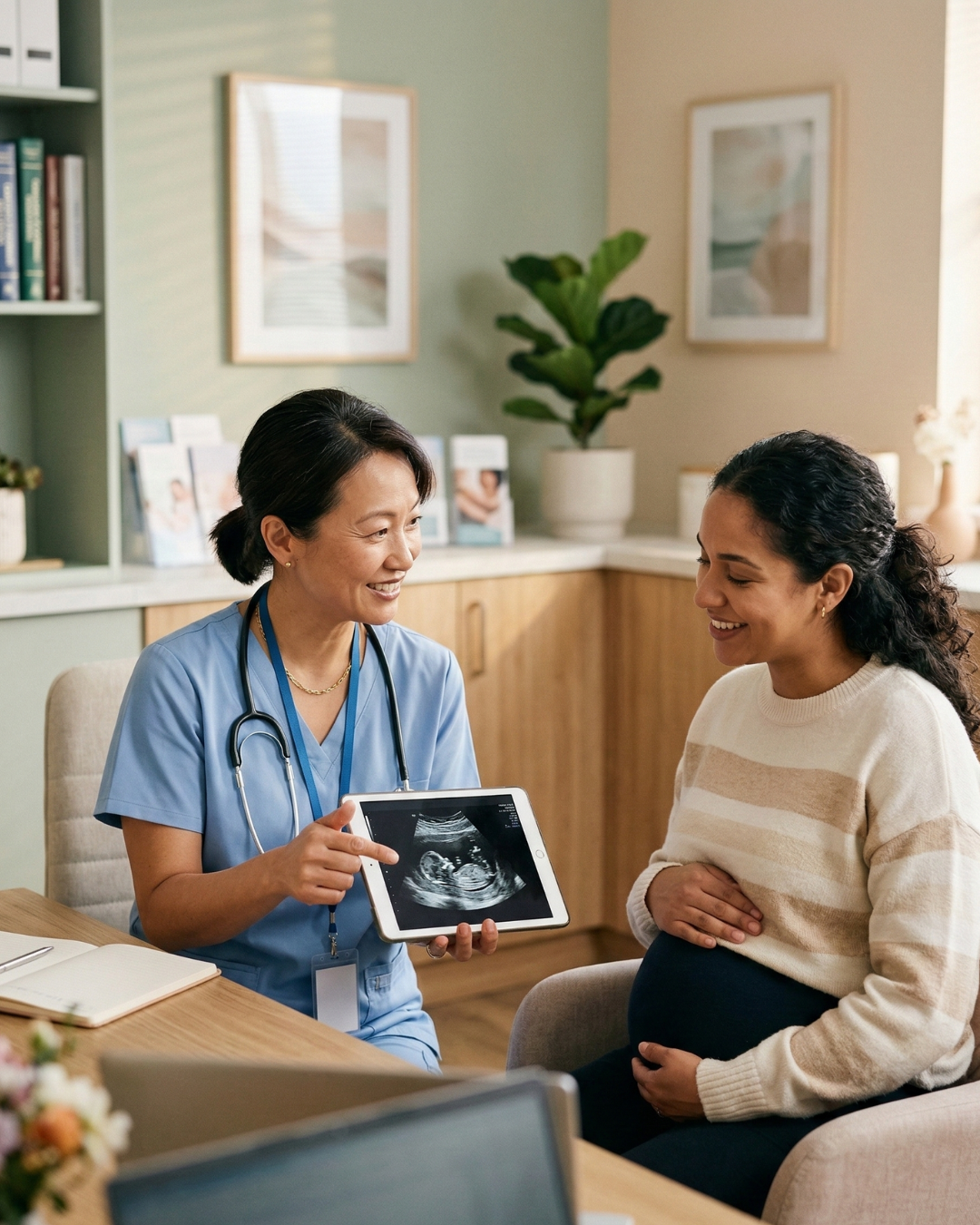
A high-risk pregnancy does not always mean that something is wrong. It means you, your baby, or both may need closer monitoring, more frequent reviews, extra scans, or a planned delivery approach. The aim is simple: identify risks early, prevent avoidable complications, and keep the pregnancy as safe as possible.
What makes a pregnancy high risk?
A pregnancy may be called high risk because of a health condition before pregnancy, a complication that develops during pregnancy, a previous pregnancy history, or a concern seen in the baby during scans.
Risk can also change during pregnancy. A woman may start with a routine pregnancy and later need closer care because of blood pressure, sugar levels, bleeding, fetal growth, placenta position, reduced baby movements, or other findings.
- Pregnancy after 35 years of age or very young maternal age.
- High blood pressure, preeclampsia risk, heart disease, kidney disease or blood disorders.
- Diabetes before pregnancy or gestational diabetes detected during pregnancy.
- Thyroid disease, epilepsy, autoimmune conditions, severe anemia or obesity.
- Twin pregnancy or multiple pregnancy.
- Previous miscarriage, stillbirth, preterm birth, cesarean delivery or difficult delivery.
- Placenta-related concerns, low-lying placenta, bleeding or reduced amniotic fluid.
- Baby measuring smaller than expected, abnormal scan findings or reduced fetal movements.
How high-risk pregnancy care is different
High-risk pregnancy care is more structured than routine antenatal care. The visits are used to review symptoms, blood pressure, urine tests, sugar levels, fetal growth, scans, medicines and delivery timing.
The plan is not the same for every patient. A mother with gestational diabetes needs a different monitoring calendar than a mother with high BP in pregnancy, twins, previous pregnancy loss or a baby with growth restriction.
- A clear trimester-wise care plan so you know what needs attention and when.
- More frequent antenatal visits when blood pressure, sugar, growth or symptoms need tracking.
- Scan and test planning based on the risk, not a one-size-fits-all schedule.
- Coordination with physicians, endocrinologists, fetal medicine or neonatal teams when needed.
- Delivery planning that considers mother safety, baby safety, gestational age and hospital readiness.
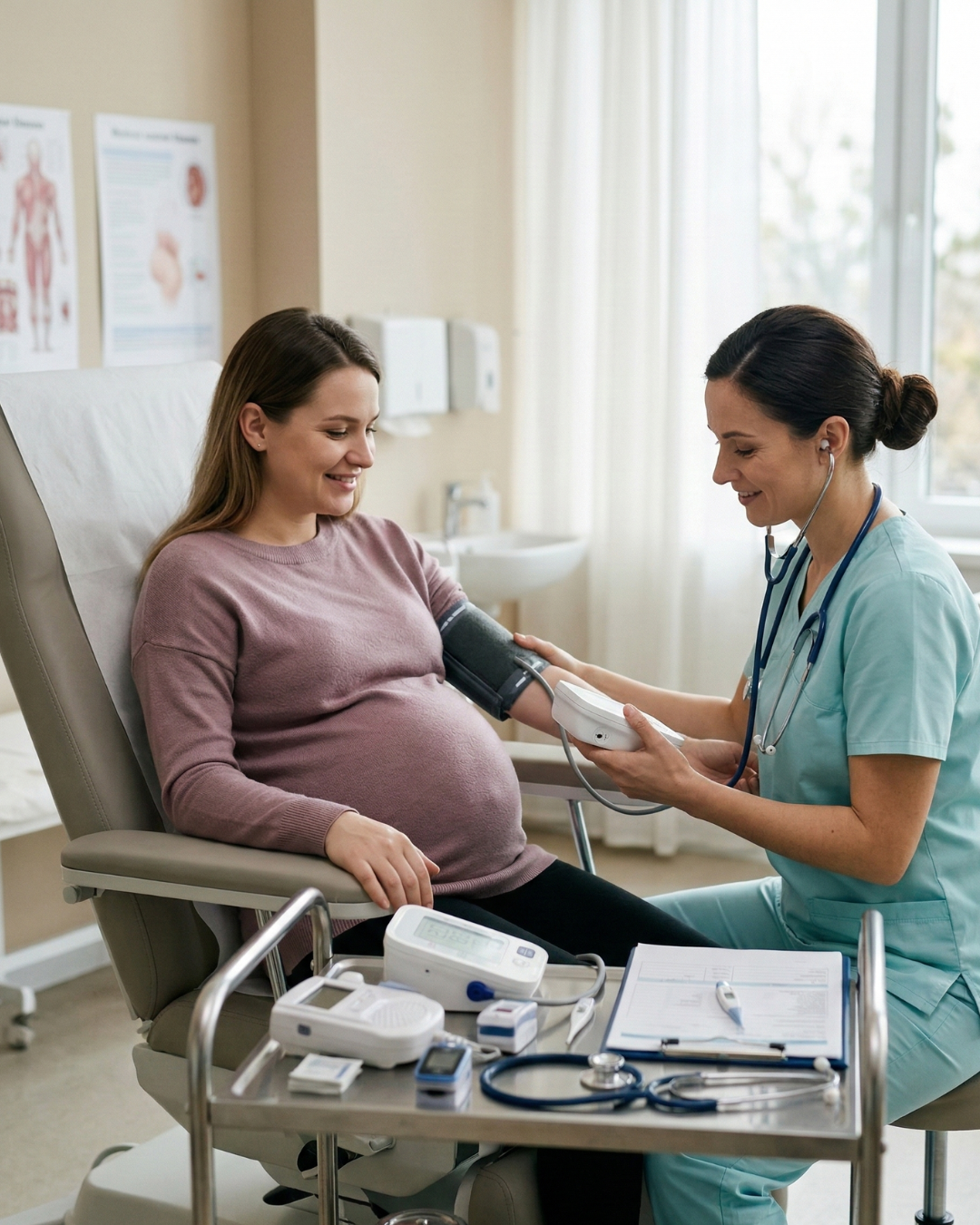
Common conditions that need closer monitoring
Many women search for a pregnancy doctor only after a report looks concerning. It is better to review early, especially if you already have a medical condition or a previous pregnancy complication.
Some conditions need diet changes and regular tracking. Some need medicines. Some need more scans. A few need planned delivery before the due date. The right decision depends on the full clinical picture.
- Gestational diabetes or diabetes before pregnancy.
- High BP in pregnancy, chronic hypertension or preeclampsia risk.
- Thyroid imbalance, anemia or other medical conditions affecting pregnancy.
- Twin pregnancy or pregnancy after fertility treatment.
- Previous pregnancy loss, preterm delivery, fetal growth restriction or stillbirth.
- Low-lying placenta, bleeding, fluid changes or abnormal Doppler findings.
- Reduced baby movements or baby measuring smaller than expected.
Delivery planning in a high-risk pregnancy
High-risk pregnancy does not automatically mean cesarean delivery. Many women can still have a vaginal birth when mother and baby are stable. At the same time, some situations need induction, planned cesarean delivery, or delivery before 39 weeks for safety.
The delivery plan is usually made after reviewing the reason for risk, gestational age, baby growth, placenta position, previous delivery history, blood pressure, sugar control and hospital support required at birth.
- Whether normal delivery is suitable or a cesarean may be safer.
- Whether delivery should wait, be induced, or be planned earlier.
- What symptoms mean you should come to the hospital immediately.
- Whether neonatal support may be needed after birth.
- What post-delivery monitoring is needed for BP, sugar, bleeding, breastfeeding and recovery.
Warning signs you should not ignore
Do not wait for the next appointment if a symptom feels worrying. In a high-risk pregnancy, timely review can prevent a small concern from becoming a bigger complication.
- Reduced or no baby movements after movements have become regular.
- Severe headache, blurred vision, sudden swelling of face or hands.
- Bleeding, leaking fluid, severe abdominal pain or regular contractions before term.
- Very high blood pressure readings if you are monitoring at home.
- Fever, chills, burning urine, repeated vomiting or severe weakness.
- Chest pain, breathlessness, fainting or sudden dizziness.
Care at Raheja Clinic
At Raheja Clinic, Dr Tripti Raheja reviews your pregnancy history, current reports, symptoms and delivery goals before creating a practical care plan. As a gynecologist and obstetrician, she focuses on monitoring, timely decisions and clear communication through pregnancy.
Women looking for a gynecologist for delivery often need more than a due-date calculation. They need someone who can explain risk, track changes, plan delivery and support recovery after birth. For patients who need a high-risk pregnancy specialist, the visit is planned around both mother safety and baby wellbeing.
What to bring for your consultation
Bringing the right information helps make the first visit more useful. If you are transferring care or taking a second opinion, bring old records even if they seem minor.
- All ultrasound scans and blood reports from this pregnancy.
- Previous pregnancy records, discharge summaries or cesarean notes.
- Current medicines, supplements and allergies.
- Blood pressure or sugar readings if you are tracking at home.
- Reports for thyroid, diabetes, heart, kidney, autoimmune or blood disorders.
- A short list of questions about delivery, warning signs and follow-up schedule.
Plan your pregnancy care with Dr Tripti Raheja
If your pregnancy has been labelled high risk, or if you have blood pressure, diabetes, thyroid disease, previous pregnancy loss, twins, growth concerns or delivery anxiety, book a consultation with Dr Tripti Raheja at Raheja Clinic. The visit can help you understand your reports, risks, monitoring schedule and delivery options.
Frequently asked questions
What is a high-risk pregnancy?
A high-risk pregnancy means the mother, baby, or both have a higher chance of complications before, during or after delivery. It does not always mean something bad will happen. It means closer monitoring and a clearer care plan are needed.
What are the common reasons for a pregnancy becoming high risk?
Common reasons include high blood pressure, gestational diabetes, thyroid disease, anemia, twin pregnancy, previous miscarriage, previous preterm birth, age over 35, placenta problems, fetal growth concerns or reduced baby movements.
Can I have a normal delivery in a high-risk pregnancy?
Yes, normal delivery may still be possible in many high-risk pregnancies if the mother and baby are stable. The decision depends on the reason for risk, baby growth, placenta position, previous delivery history, blood pressure, sugar control and labour progress.
Does high-risk pregnancy always mean cesarean delivery?
No. A cesarean is advised only when it is safer for the mother, baby, or both. Some women need planned cesarean delivery, while others may be suitable for induction or vaginal birth with monitoring.
How often will I need appointments?
The appointment schedule depends on your condition. Some women need routine antenatal visits with a few extra scans. Others need more frequent blood pressure checks, sugar review, growth scans, Doppler studies or specialist coordination.
Is gestational diabetes a high-risk pregnancy condition?
Gestational diabetes can make pregnancy higher risk because it may affect baby growth, fluid levels, delivery planning and newborn sugar levels. Many cases are managed well with diet, monitoring and medicines when needed.
When is high BP in pregnancy dangerous?
High BP needs urgent attention if it is associated with severe headache, blurred vision, swelling, pain in the upper abdomen, breathlessness, reduced baby movements or very high readings. These can be warning signs and should not wait for a routine visit.
What if my baby is measuring smaller than expected?
A baby measuring smaller than expected may need repeat growth scans, Doppler studies and closer fetal monitoring. The care plan depends on gestational age, blood flow, fluid level, baby movements and maternal health.
Should I consult before pregnancy if I had a previous complication?
Yes. A pre-pregnancy consultation is useful if you had miscarriage, preterm delivery, stillbirth, severe hypertension, diabetes, thyroid disease, cesarean complications or any major medical condition. Planning early can reduce preventable risks.
What should I bring to a high-risk pregnancy consultation?
Bring your antenatal file, ultrasound reports, blood tests, previous pregnancy records, current medicines, BP or sugar readings and any hospital discharge summaries. These details help the doctor create a safer monitoring and delivery plan.
What is the main reason you need closer pregnancy care?
Choose the closest match. You can discuss more than one concern during the visit.
Book an Appointment
Get the care you deserve. With our expertise and dedication, you can expect nothing but the finest care for all your women's health concerns.
- 29+ years of clinical experience
- Compassionate, patient-first care
- Advanced laparoscopic & robotic surgery