
Heavy periods are common, but very heavy or prolonged menstrual bleeding should not simply be accepted as normal. Bleeding that lasts more than 7 days, requires frequent changes of pads or tampons, involves large blood clots or leaves you exhausted can be a sign that something needs to be evaluated. Heavy menstrual bleeding can occur because of fibroids, adenomyosis, problems with ovulation, PCOS, thyroid disorders, bleeding disorders, certain medicines or other conditions. Finding the underlying cause is important because treatment depends on why the bleeding is happening.
What Are Heavy Periods?
A menstrual period normally lasts up to about 7 days, although the amount of bleeding can vary from woman to woman. Heavy menstrual bleeding means the amount or duration of bleeding is excessive enough to interfere with everyday life or potentially affect health.
You may have heavy periods if you need to change a pad or tampon every 1 to 2 hours, need to use more than one period product at the same time, regularly bleed through clothes or bedding, wake up at night to change your protection, pass unusually large blood clots or have periods that continue for more than 7 days.
Heavy bleeding can also cause iron deficiency and anemia. This may lead to tiredness, weakness, dizziness, headaches, shortness of breath or reduced ability to carry out normal activities.
How Do You Know If Your Period Is Too Heavy?
There is no single amount of menstrual blood that is considered normal for every woman. The pattern of bleeding and its effect on your daily life are important.
Signs that your menstrual bleeding may be heavier than it should be include:
- Your period regularly lasts more than 7 days.
- You need to change a pad or tampon every 1 to 2 hours.
- You need to use two period products together because of the amount of bleeding.
- You frequently wake up during the night to change your pad or tampon.
- You regularly bleed through your clothes or bedsheets.
- You pass large blood clots during your periods.
- Heavy bleeding makes you avoid exercise, work, travel or social activities.
- You feel unusually tired, weak, dizzy or short of breath during or after your period.
Common Causes of Heavy Periods
Heavy menstrual bleeding can have several causes. Sometimes more than one factor contributes to the problem. The cause may be related to the uterus, hormones, ovulation, blood clotting or medicines.
Some of the most common causes are described below.
1. Fibroids
Fibroids are non-cancerous growths that develop in or around the uterus. Depending on their size and location, they can cause heavy or prolonged periods, pelvic pressure, cramps and sometimes fertility problems.
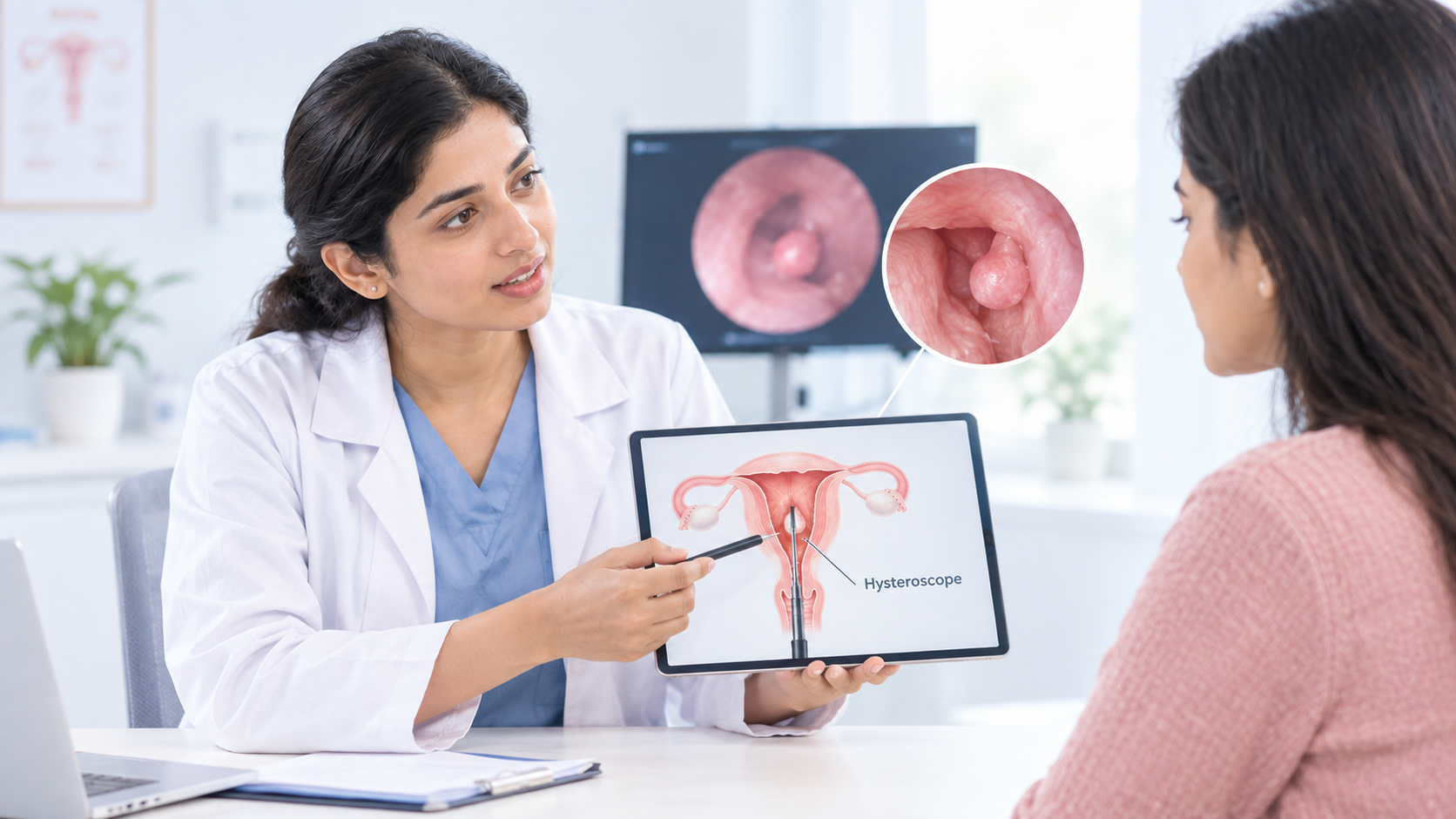
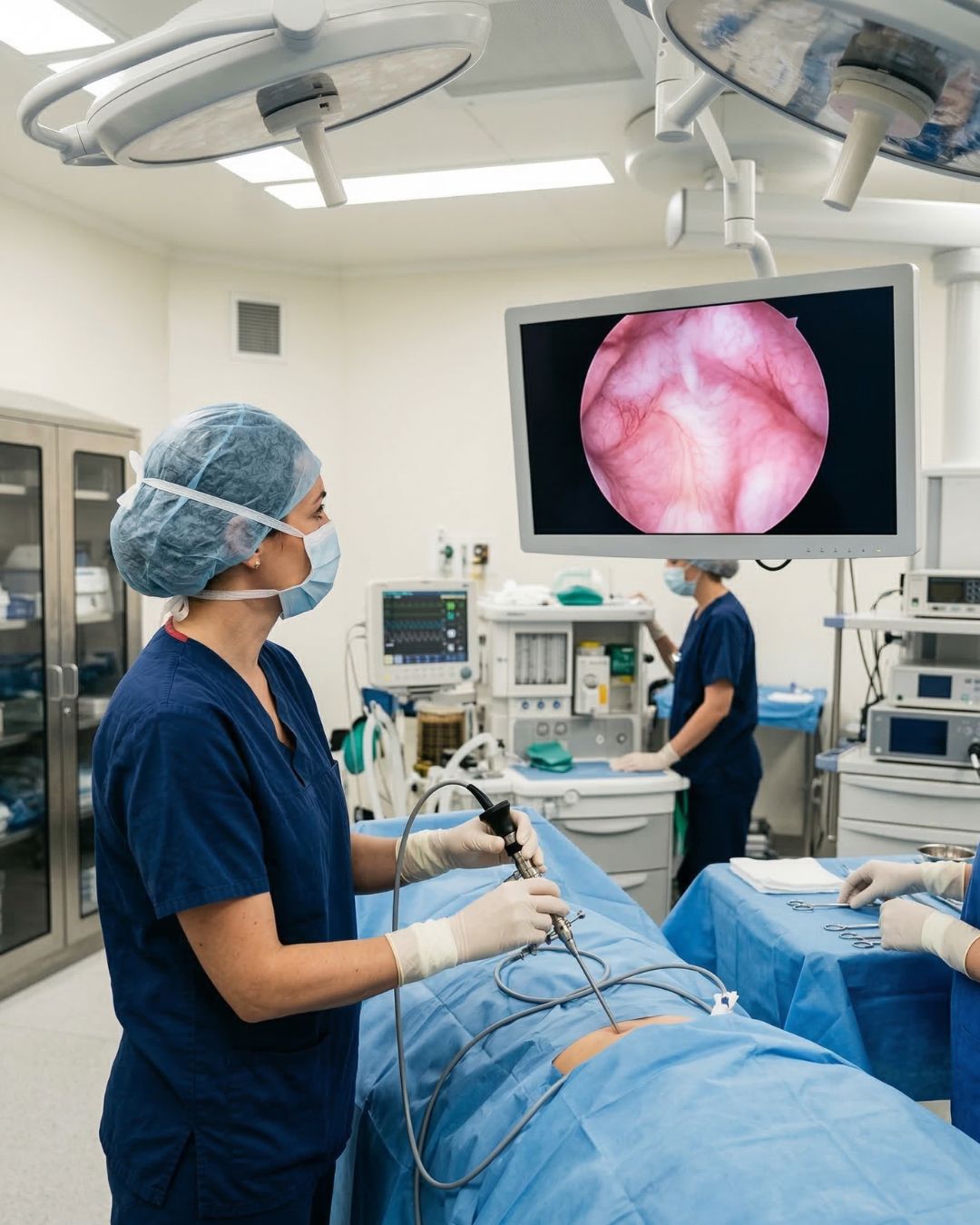
Fibroids located close to the inside of the uterine cavity are particularly likely to contribute to heavy menstrual bleeding. An ultrasound is often used to look for fibroids, while hysteroscopy may be recommended when a problem inside the uterine cavity needs closer evaluation.
2. Adenomyosis
Adenomyosis occurs when tissue similar to the uterine lining grows into the muscular wall of the uterus. It can cause heavy periods as well as painful periods and pelvic discomfort.
Some women with adenomyosis notice that their periods gradually become heavier or more painful over time. Ultrasound can help identify features suggestive of adenomyosis, and treatment depends on symptoms, age, overall health and future pregnancy plans.
3. Problems With Ovulation and Hormonal Changes
When ovulation does not occur regularly, the uterine lining can build up and eventually cause irregular or heavy bleeding. This can happen during the first few years after periods begin and around perimenopause.
Hormonal conditions such as PCOS and thyroid disorders can also affect ovulation and menstrual bleeding. A woman may therefore have periods that are both irregular and unusually heavy.
4. PCOS
PCOS can cause irregular or infrequent ovulation. When periods are widely spaced, the uterine lining may remain exposed to hormonal stimulation for longer and bleeding can sometimes become heavier when a period finally occurs.
Heavy bleeding associated with PCOS should not automatically be attributed to PCOS. Other causes, including fibroids, polyps, pregnancy-related conditions or hormonal disorders, may need to be ruled out depending on the symptoms.
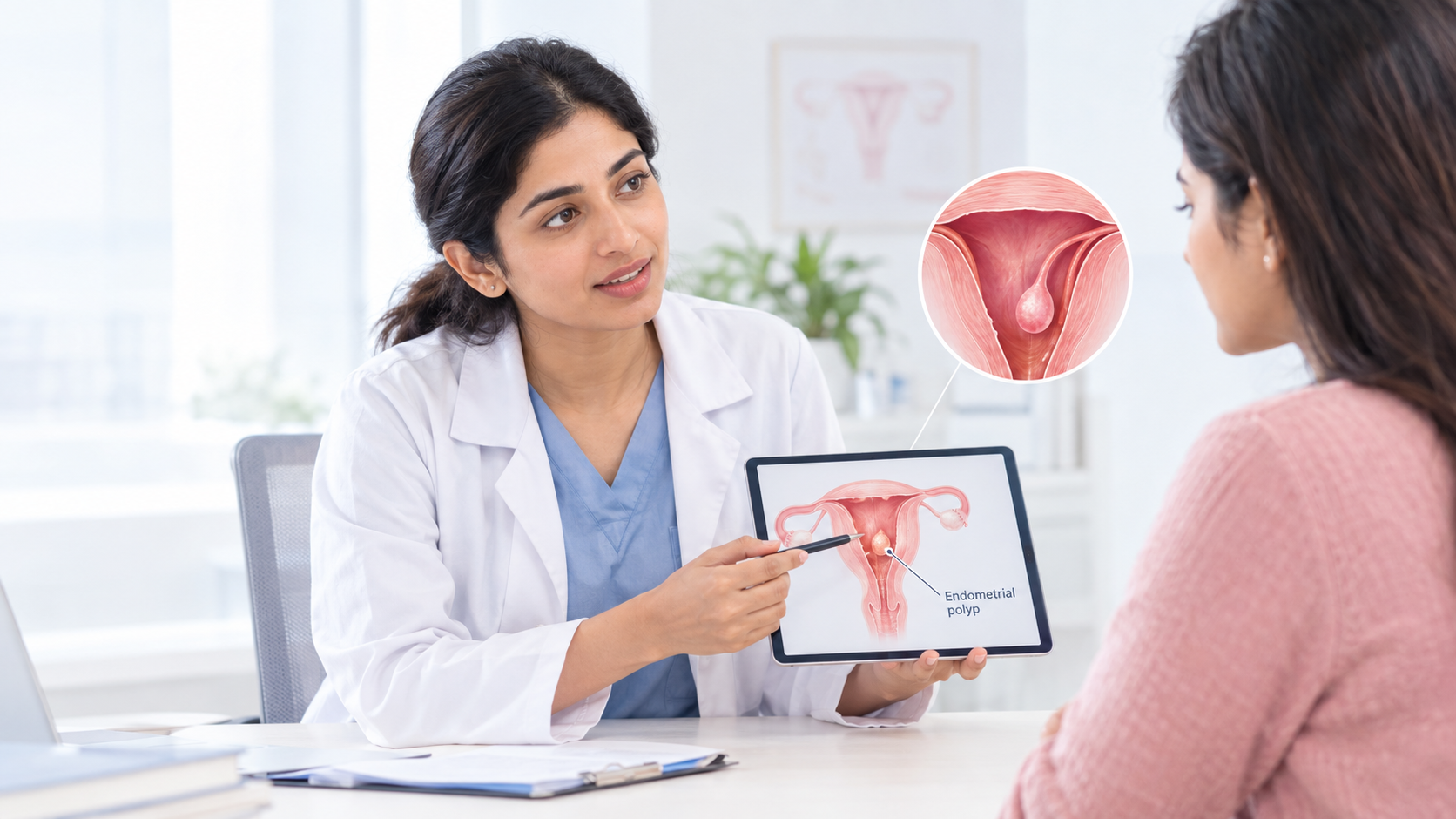
5. Endometrial Polyps
Polyps are growths that can develop inside the uterus or on the cervix. They may cause heavy periods, spotting between periods or bleeding after sex.
Ultrasound can provide useful information, while hysteroscopy may be recommended when the doctor needs to directly examine the inside of the uterus or remove a suspected polyp.
6. Bleeding Disorders
Some women have an underlying bleeding disorder that makes it harder for the blood to clot normally. Heavy periods may be one of the earliest signs.
A bleeding disorder may be more likely if heavy periods have been present since the first periods or if there is a personal or family history of excessive bleeding after surgery, dental procedures or childbirth, frequent nosebleeds or easy bruising.
7. Medicines and Contraception
Certain medicines can increase menstrual bleeding. Blood-thinning medicines and aspirin are examples. A copper intrauterine device can also make periods heavier, particularly during the first year after insertion.
Hormonal contraceptives can change bleeding patterns as well. If heavy bleeding begins after starting a medicine or contraceptive method, discuss the change with your gynecologist rather than stopping prescribed treatment on your own.
8. Pregnancy-Related Causes
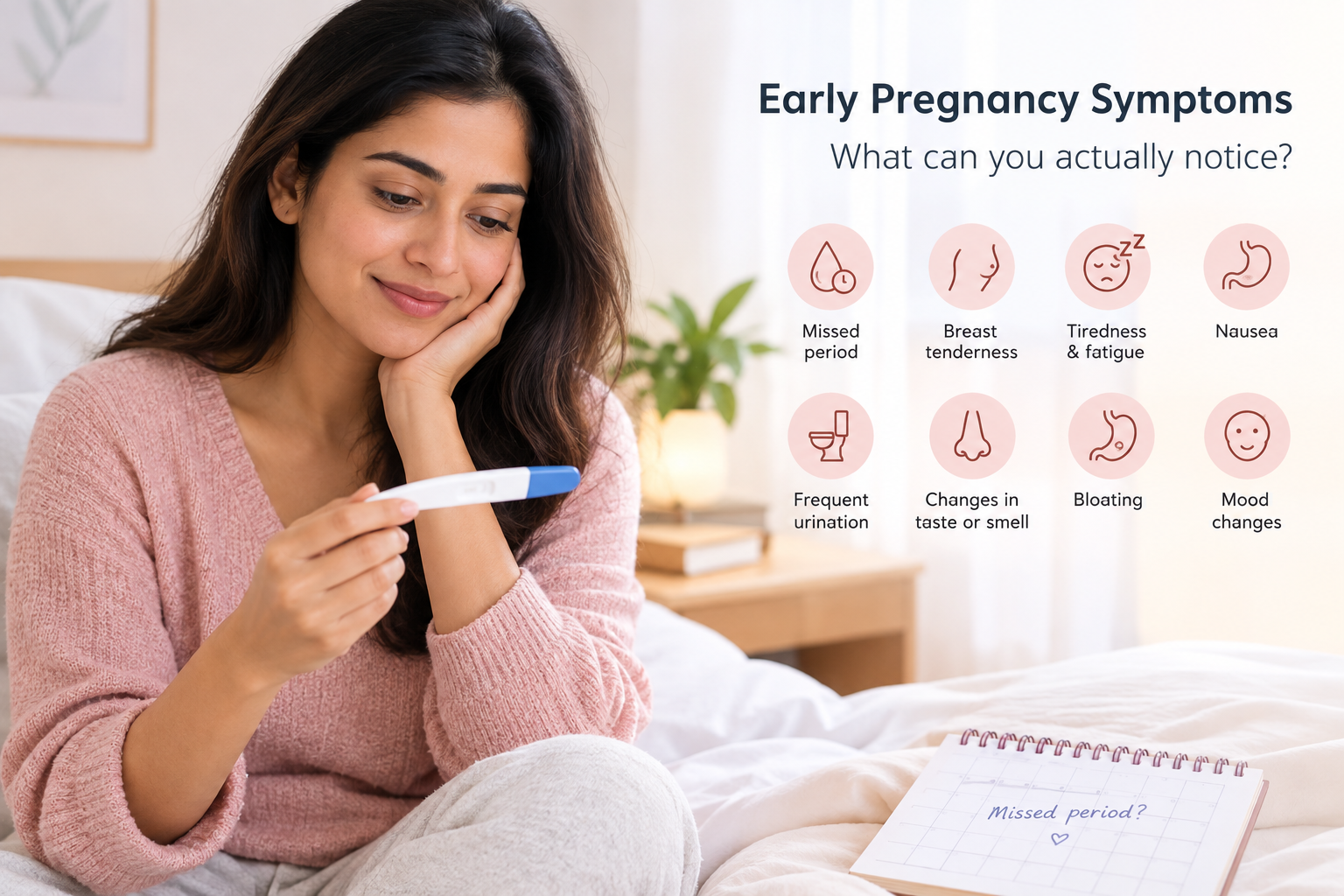
Bleeding that seems like a heavy period can sometimes actually be related to pregnancy. Miscarriage and ectopic pregnancy are examples of conditions that can cause bleeding and require medical assessment.
If pregnancy is possible and you have unusual or heavy bleeding, especially when it is accompanied by significant abdominal or pelvic pain, seek medical advice promptly.
Can Heavy Periods Cause Anemia?
Yes. Repeated heavy menstrual bleeding can cause iron deficiency and iron-deficiency anemia because the body loses blood faster than it can replace it.
Symptoms can include persistent tiredness, weakness, dizziness, headaches, pale skin, reduced exercise tolerance and shortness of breath. A complete blood count and iron-related tests may be recommended when heavy periods have been ongoing or anemia is suspected.
Treating anemia alone is not enough if heavy bleeding continues. The underlying cause of the menstrual blood loss also needs to be addressed.
Heavy Periods After 40
Menstrual patterns can change during the years leading up to menopause. Ovulation may become less predictable, which can result in periods becoming irregular, lighter or heavier.
However, heavy or abnormal bleeding after 40 should not automatically be considered a normal part of ageing. Depending on your symptoms and medical history, your gynecologist may recommend an ultrasound, blood tests, hysteroscopy or an endometrial biopsy to determine the cause.
What Tests Are Done for Heavy Periods?
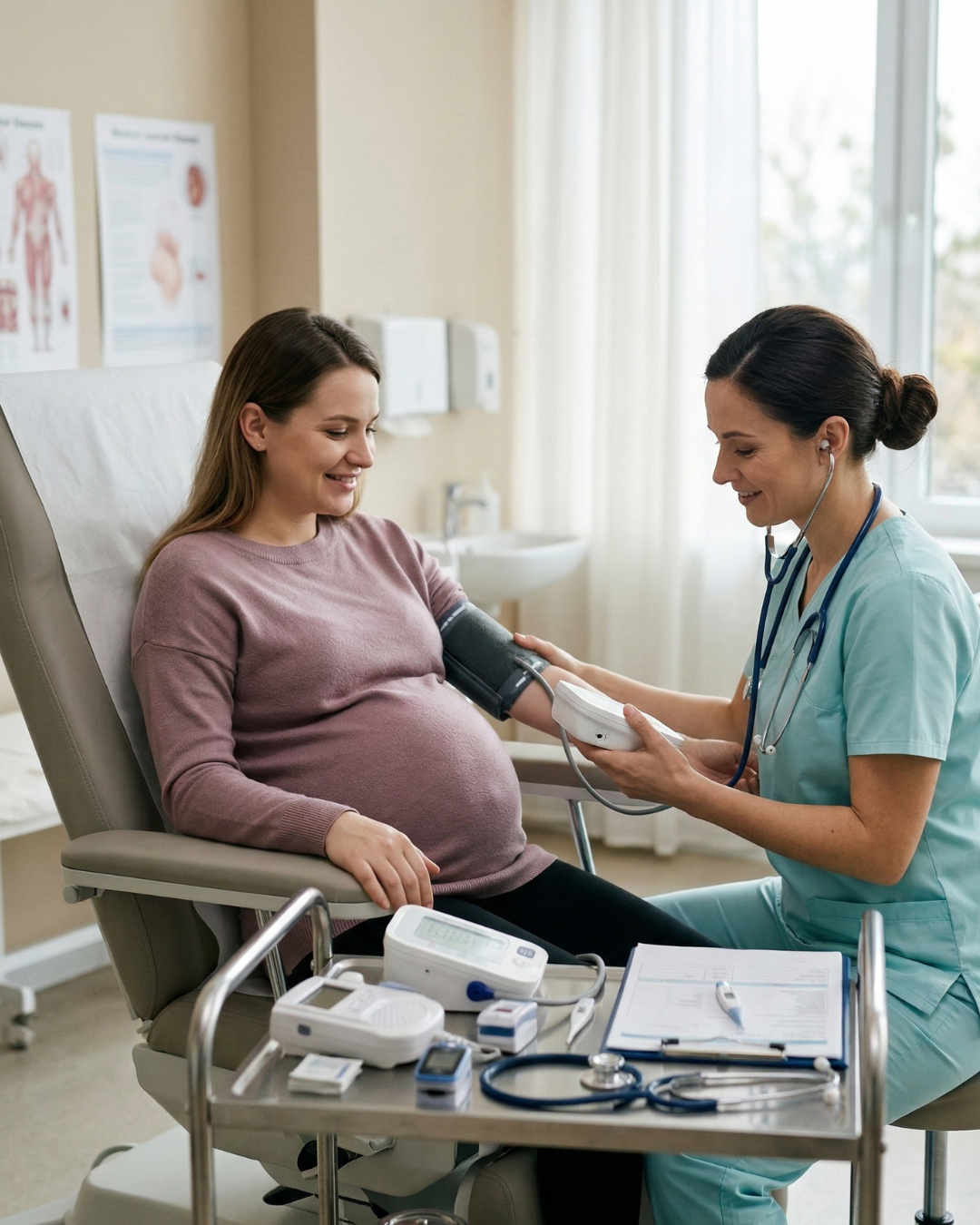
The evaluation depends on your age, symptoms, pregnancy possibility, medical history and the pattern of bleeding. Your gynecologist may first ask about the dates and duration of your periods, how frequently you change period products, the presence of clots, pain, medications, contraception and previous pregnancies or procedures.
Possible tests include:
- Pregnancy test when pregnancy is possible.
- Complete blood count to check for anemia.
- Iron studies when iron deficiency is suspected.
- Thyroid testing when symptoms suggest a thyroid problem.
- Tests for bleeding disorders when there is a relevant personal or family history.
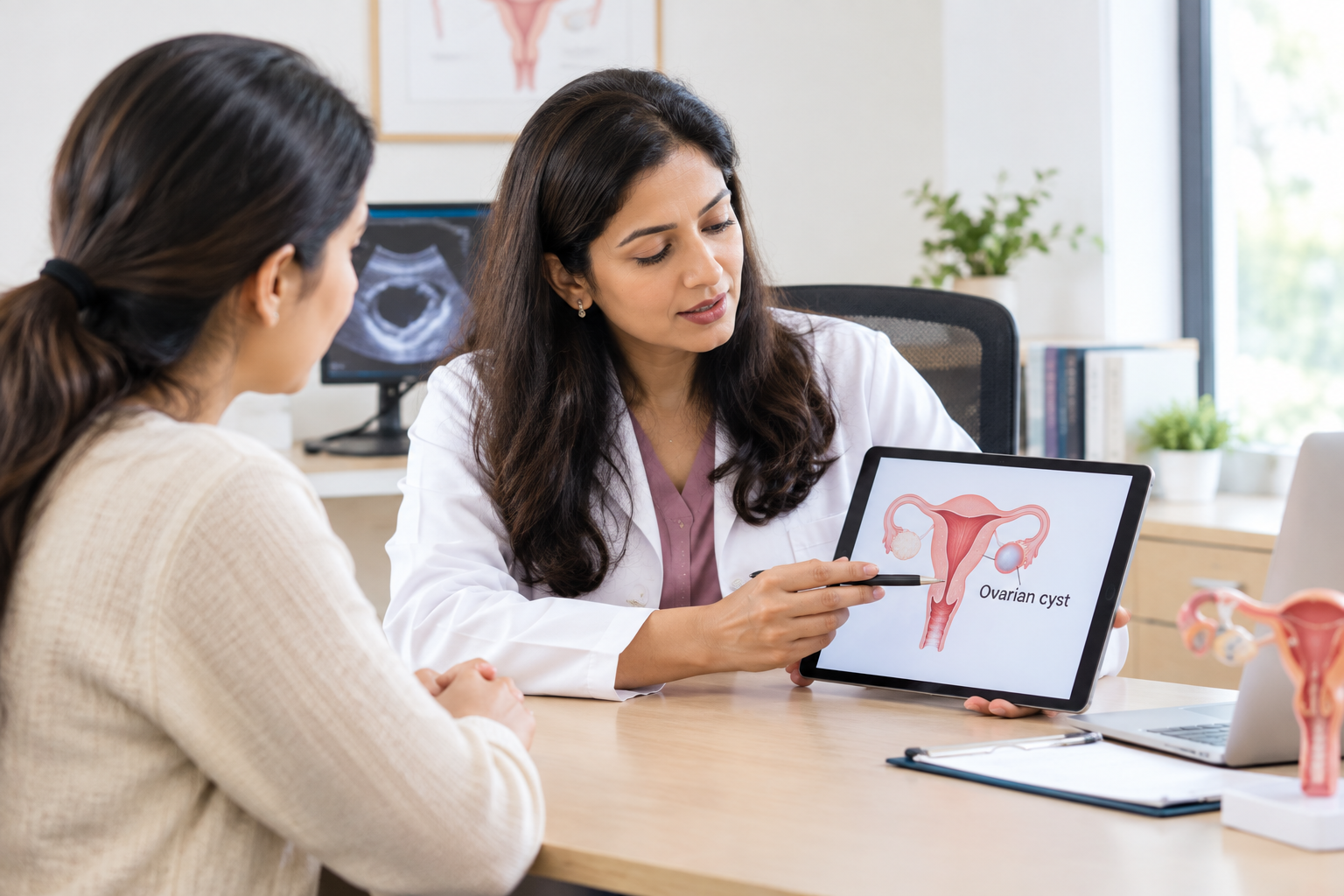
- Pelvic ultrasound to evaluate the uterus and ovaries.
- Hysteroscopy to directly examine the inside of the uterus when indicated.
- Endometrial biopsy in selected women when the uterine lining needs to be evaluated.
How Are Heavy Periods Treated?
Treatment for heavy periods depends on the cause, severity of bleeding, age, medical history and whether you want to become pregnant in the future. There is no single treatment that is suitable for every woman.
Depending on the situation, treatment may include medicines, hormonal treatment or a procedure to treat an underlying uterine problem.
Medicines for Heavy Menstrual Bleeding
Medicines are often considered before surgery when appropriate. Depending on the cause, options may include hormonal contraception, a hormonal intrauterine system, tranexamic acid or certain anti-inflammatory medicines.
If anemia or iron deficiency is present, iron supplementation may also be recommended. The choice of medicine should be based on your health history and the reason for the bleeding rather than taking medication without evaluation.
When Is Surgery or a Procedure Needed?
A procedure may be considered when medicines do not control the bleeding, when there is a structural cause such as a fibroid or polyp, or when the symptoms are significantly affecting quality of life.
Depending on the diagnosis, procedures may include hysteroscopic removal of a polyp or fibroid, myomectomy for selected fibroids, uterine artery embolization for certain fibroids, endometrial ablation in appropriately selected women who do not plan future pregnancy, or hysterectomy in situations where removal of the uterus is medically appropriate.
The best approach depends on the underlying condition and your reproductive plans. A treatment that is suitable for one woman may not be suitable for another.
Can Heavy Periods Be Treated Without Surgery?
Yes. Many women with heavy menstrual bleeding can be managed with medicines or hormonal treatments, depending on the cause.
However, if a fibroid, polyp, adenomyosis or another structural condition is responsible and symptoms continue despite medication, a procedure may eventually be recommended. The goal is to control the bleeding while choosing an approach that fits your health and future pregnancy plans.
When Should You See a Gynecologist for Heavy Periods?
You should consider a gynecological evaluation if heavy periods are repeatedly affecting your daily life, lasting more than 7 days, associated with large clots or causing symptoms such as fatigue and dizziness.
You should also seek medical evaluation if you have bleeding between periods, bleeding after sex, worsening period pain, new heavy bleeding after previously normal periods or heavy bleeding during the years approaching menopause.
Keep track of your cycle before the appointment if possible. Note the dates your period starts and ends, how often you change pads or tampons, whether you pass clots and any associated pain or other symptoms. This information can help your gynecologist understand the bleeding pattern.
When Is Heavy Bleeding an Emergency?
Very heavy bleeding can sometimes require urgent medical attention. Seek emergency care if you are soaking through a pad or tampon approximately every hour for several hours, particularly if the bleeding is accompanied by dizziness, fainting, significant weakness, shortness of breath, chest pain or other concerning symptoms.
If pregnancy is possible and heavy bleeding occurs with severe abdominal or pelvic pain, urgent evaluation is also important.
Do Not Ignore Very Heavy Periods
Heavy periods are treatable in many cases, but the right treatment starts with identifying the cause. If your periods are unusually heavy, prolonged or affecting your daily life, consult a gynecologist for an appropriate evaluation. Dr. Tripti Raheja at Raheja Clinic can assess your symptoms, identify possible causes and discuss treatment options based on your individual needs.
Resources
Common questions
What is considered a heavy period?
A period may be considered heavy when bleeding lasts more than 7 days, requires very frequent changes of pads or tampons, causes bleeding through clothes or bedding, involves large blood clots or significantly interferes with daily activities.
Why are my periods suddenly very heavy?
Suddenly heavy periods can have several causes, including fibroids, polyps, adenomyosis, hormonal or ovulation problems, thyroid disorders, medicines, bleeding disorders or pregnancy-related conditions. New or significantly heavier bleeding should be evaluated rather than automatically considered normal.
Can fibroids cause heavy periods?
Yes. Fibroids can cause heavy or prolonged menstrual bleeding, particularly when they affect the inside of the uterine cavity. Treatment depends on the size and location of the fibroid, symptoms and future pregnancy plans.
Can adenomyosis cause heavy periods?
Yes. Adenomyosis can cause heavy menstrual bleeding as well as painful periods and pelvic discomfort. Treatment depends on the severity of symptoms, age and reproductive plans.
Can PCOS cause heavy periods?
PCOS can cause irregular ovulation, which may result in periods becoming infrequent and sometimes heavier when they occur. However, heavy bleeding should not automatically be attributed to PCOS because other causes may also need to be evaluated.
Can heavy periods cause anemia?
Yes. Repeated heavy menstrual bleeding can lead to iron deficiency and iron-deficiency anemia. Symptoms can include tiredness, weakness, dizziness, headaches and shortness of breath.
Are large blood clots during periods normal?
Small clots can occur during menstruation, but regularly passing unusually large clots, particularly together with very heavy or prolonged bleeding, should be discussed with a gynecologist.
What tests are done for heavy periods?
Depending on your symptoms, your doctor may recommend a pregnancy test, complete blood count, iron studies, thyroid testing, bleeding-disorder tests, pelvic ultrasound, hysteroscopy or an endometrial biopsy.
Can heavy periods be treated without surgery?
Yes. Depending on the cause, heavy menstrual bleeding may be managed with medicines, hormonal treatments or other non-surgical approaches. If a structural problem such as a fibroid or polyp is responsible, a procedure may sometimes be needed.
When should I see a gynecologist for heavy periods?
See a gynecologist if your periods repeatedly last more than 7 days, require very frequent changes of period products, involve large clots, interfere with daily life, cause symptoms of anemia or are accompanied by bleeding between periods or after sex.
Are heavy periods after 40 normal?
Menstrual changes are common during perimenopause, but very heavy or abnormal bleeding after 40 should not automatically be considered normal. Your gynecologist may recommend tests to determine the cause.
Can heavy periods be a sign of a serious problem?
Heavy periods have many possible causes, most of which are treatable. In some cases, abnormal uterine bleeding can be associated with conditions that require prompt evaluation. New, persistent or unusually heavy bleeding should therefore be assessed by a healthcare professional.