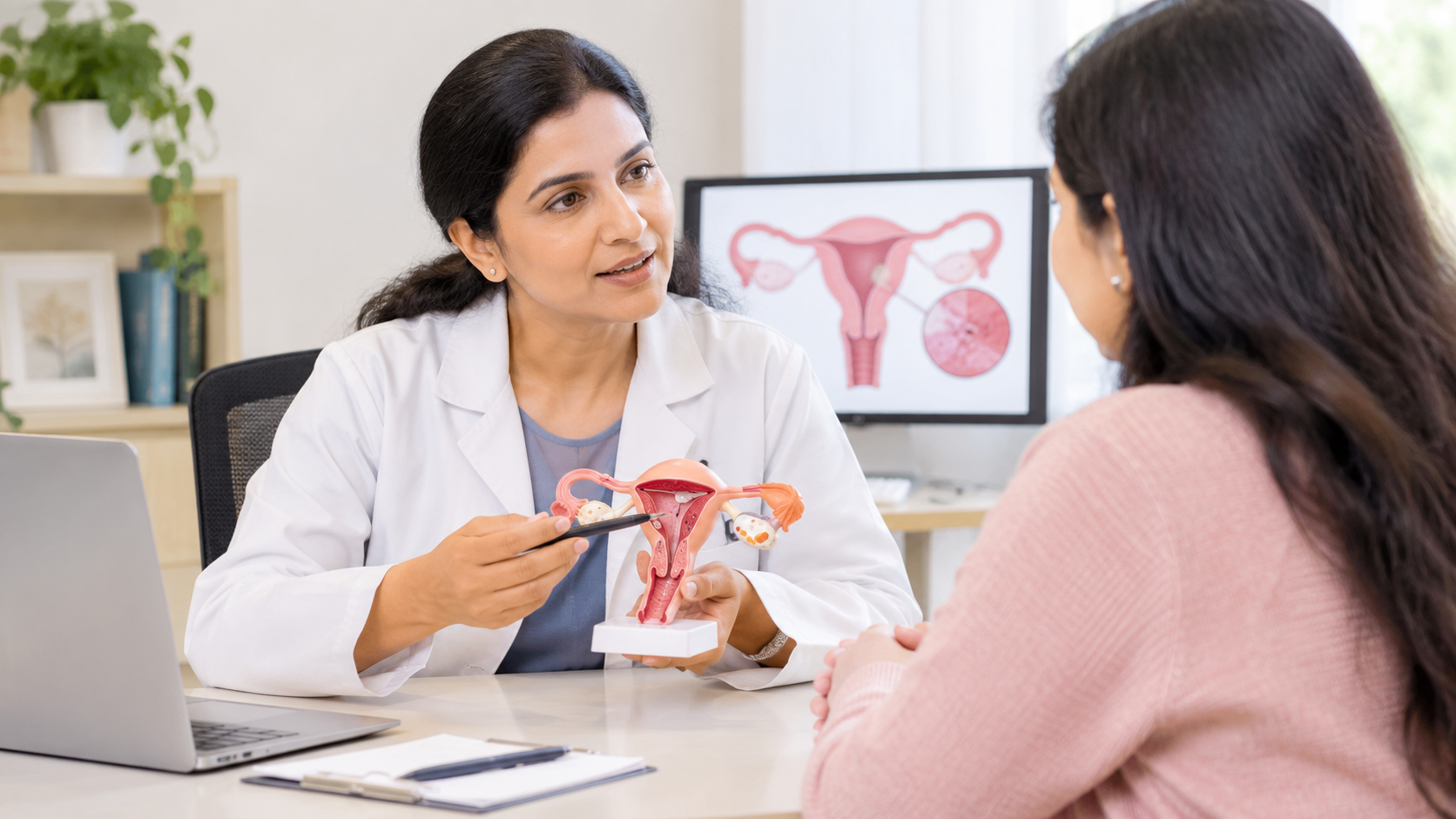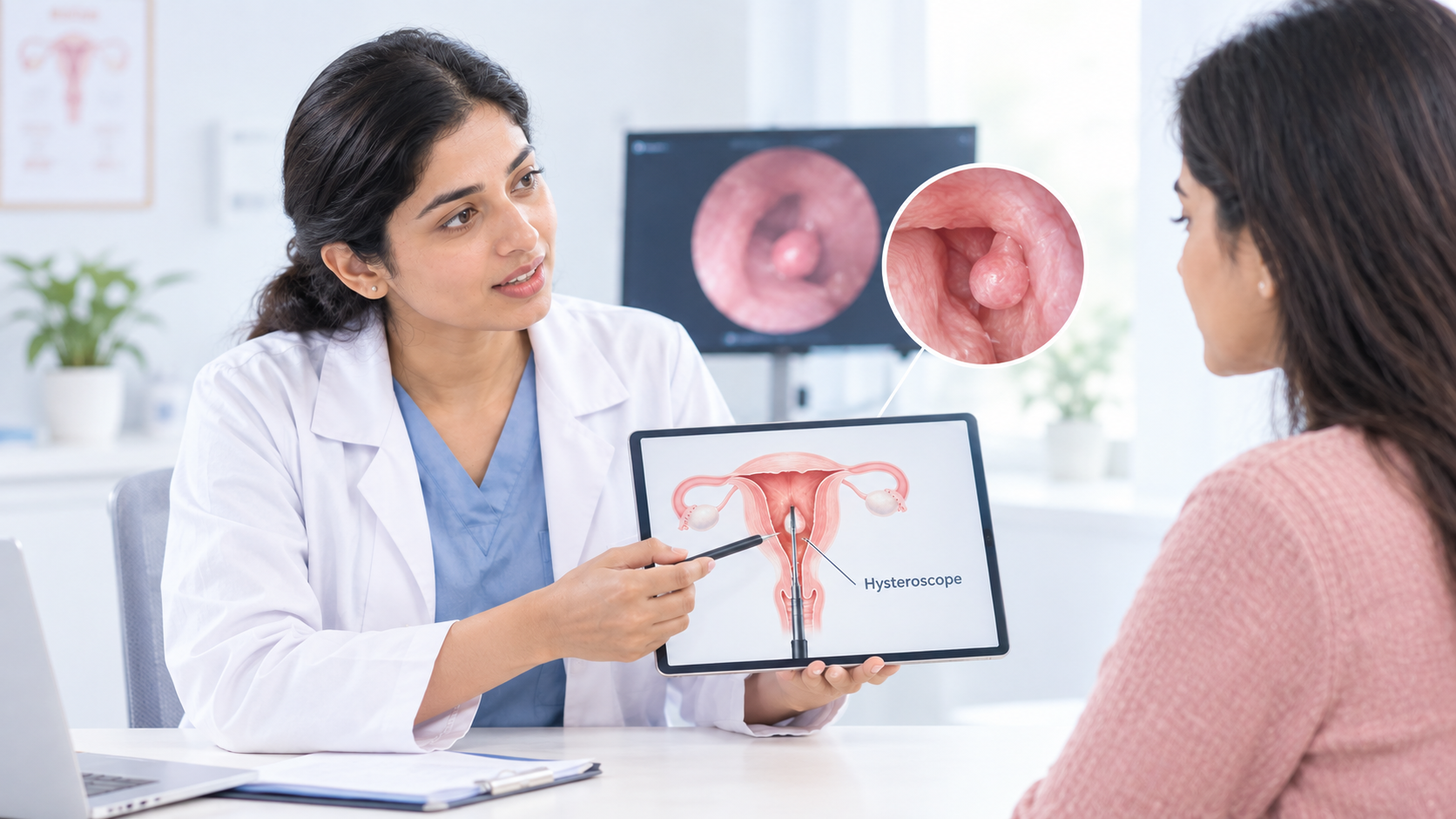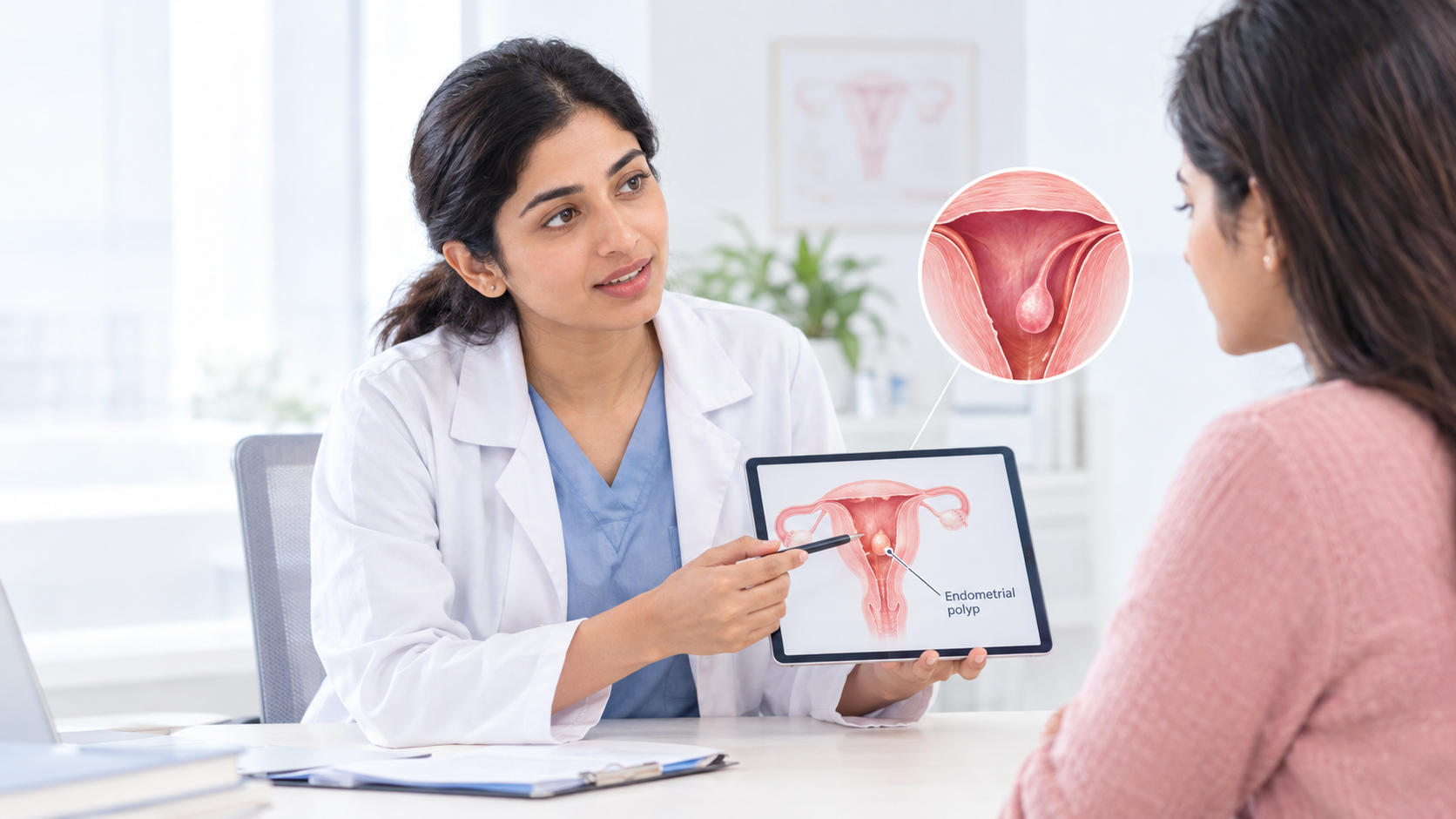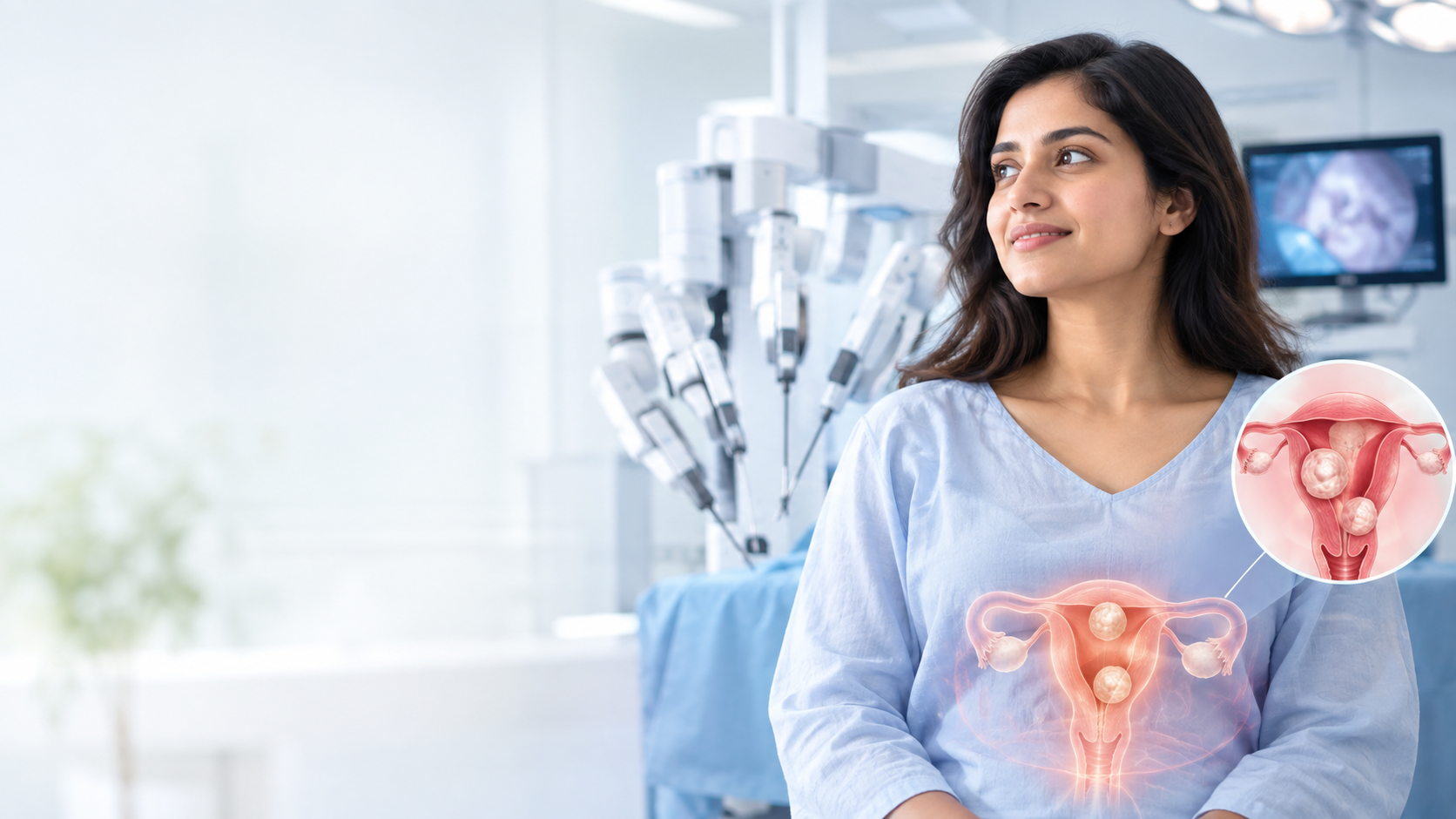
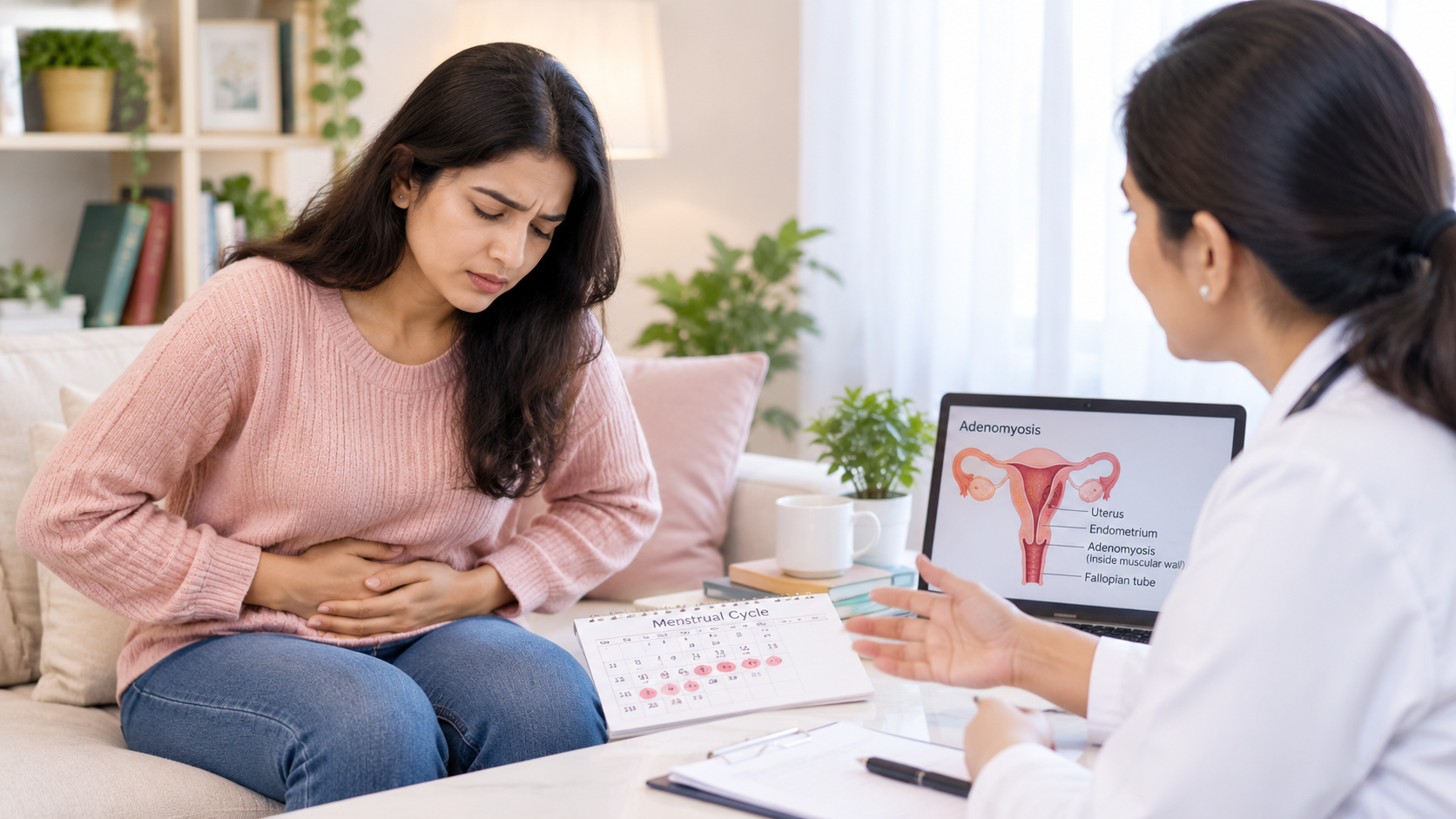
Period cramps are something many women experience, especially during the first day or two of menstruation. But what if your periods have gradually become more painful over the last few months or years? What if the discomfort that once felt manageable now makes it difficult to work, attend classes, exercise, or even get out of bed? Painful periods are common, but pain that gets progressively worse should not automatically be considered normal. Sometimes it is related to ordinary menstrual cramping. In other cases, it may be associated with conditions such as endometriosis, adenomyosis, or uterine fibroids. Recognizing the pattern of your symptoms can help you decide when to seek medical advice.
When Is Period Pain Considered Normal?
Menstrual cramps, medically known as dysmenorrhea, occur when the uterus contracts to help shed its lining during menstruation. These contractions are influenced by substances called prostaglandins.
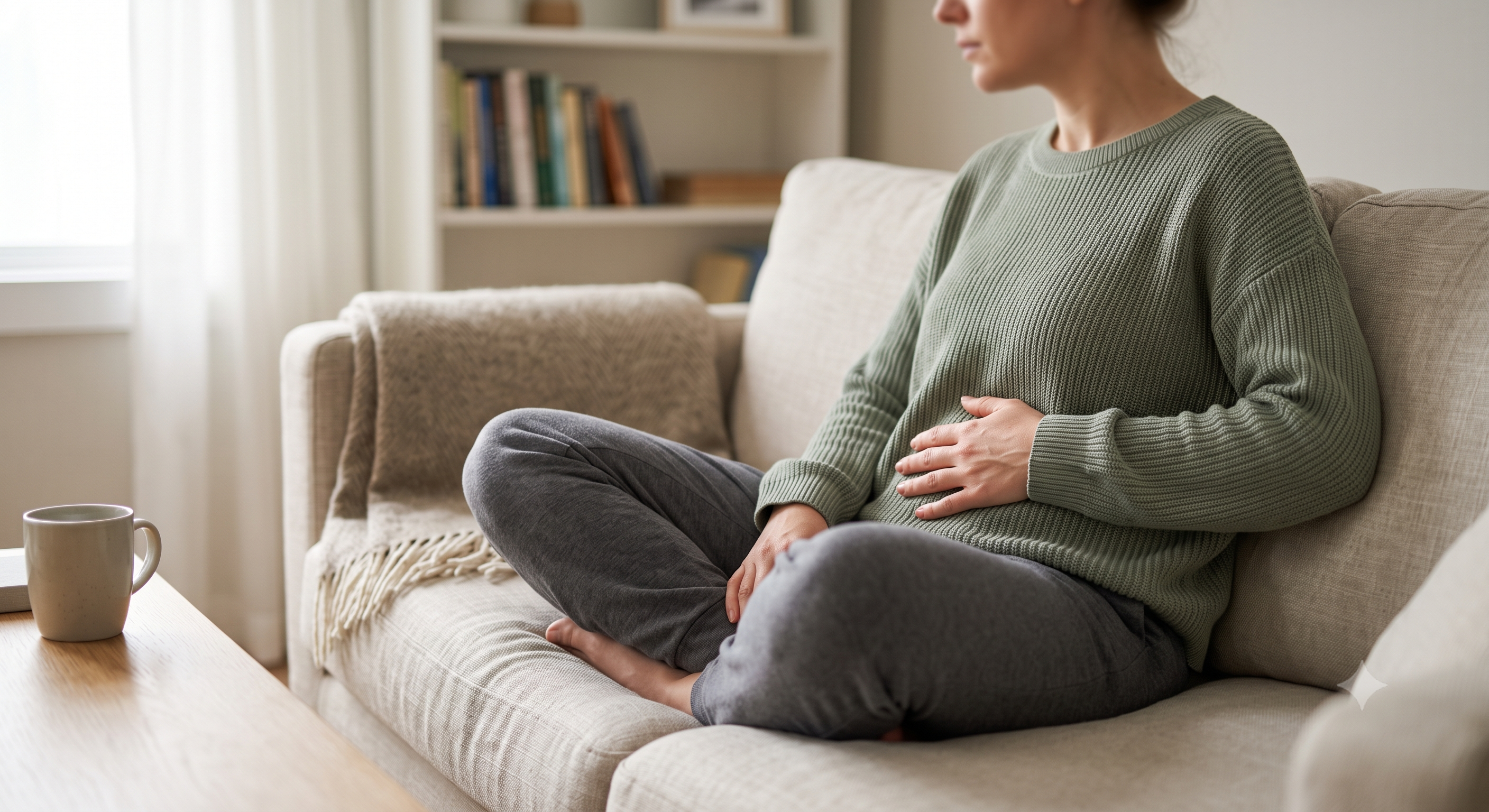
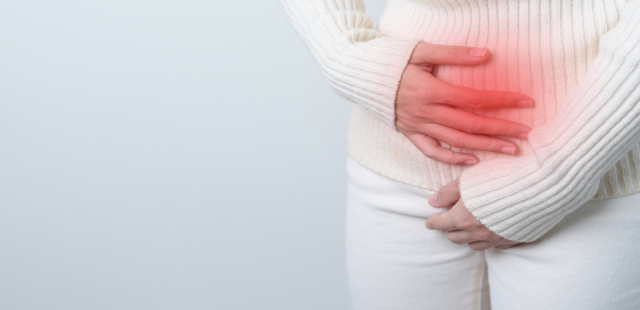
Mild to moderate cramps around the start of a period can be common. The discomfort is usually felt in the lower abdomen and may spread to the lower back or thighs. Some women also experience nausea, loose stools, headaches, or tiredness.
However, pain that repeatedly prevents you from carrying out your normal activities, becomes more severe over time, or does not improve with usual measures deserves medical evaluation.
Why Might Your Period Pain Be Getting Worse?
There is no single explanation for worsening menstrual pain. The cause depends on your symptoms, medical history, age, and examination findings. Some possible explanations include the following.
1. Endometriosis
Endometriosis is a condition in which tissue similar to the lining of the uterus grows outside it. This tissue can contribute to inflammation, pain, and sometimes fertility difficulties.
Possible symptoms include severe menstrual cramps, pelvic pain outside your period, pain during or after sex, and discomfort during bowel movements or urination that may worsen around menstruation. Symptoms vary from person to person, and the severity of pain does not always reflect the extent of the condition.
2. Adenomyosis
Adenomyosis occurs when tissue similar to the uterine lining grows into the muscular wall of the uterus. It can be associated with painful periods, heavy menstrual bleeding, pelvic pressure, and an enlarged or tender uterus.
If your periods have become increasingly painful and are also heavier or longer than before, adenomyosis is one of the conditions a gynecologist may consider.
3. Uterine Fibroids
Fibroids are non-cancerous growths that develop in or around the uterus. Depending on their size and location, they may cause heavy bleeding, pelvic pressure, a feeling of fullness in the lower abdomen, frequent urination, or menstrual discomfort.
4. Pelvic Inflammatory Disease
Pelvic inflammatory disease is an infection involving the upper reproductive tract. It can cause pelvic or lower abdominal pain, unusual vaginal discharge, pain during sex, bleeding between periods, and sometimes fever. It requires prompt medical assessment because delayed treatment can lead to complications.
5. Other Gynecological or Pelvic Conditions
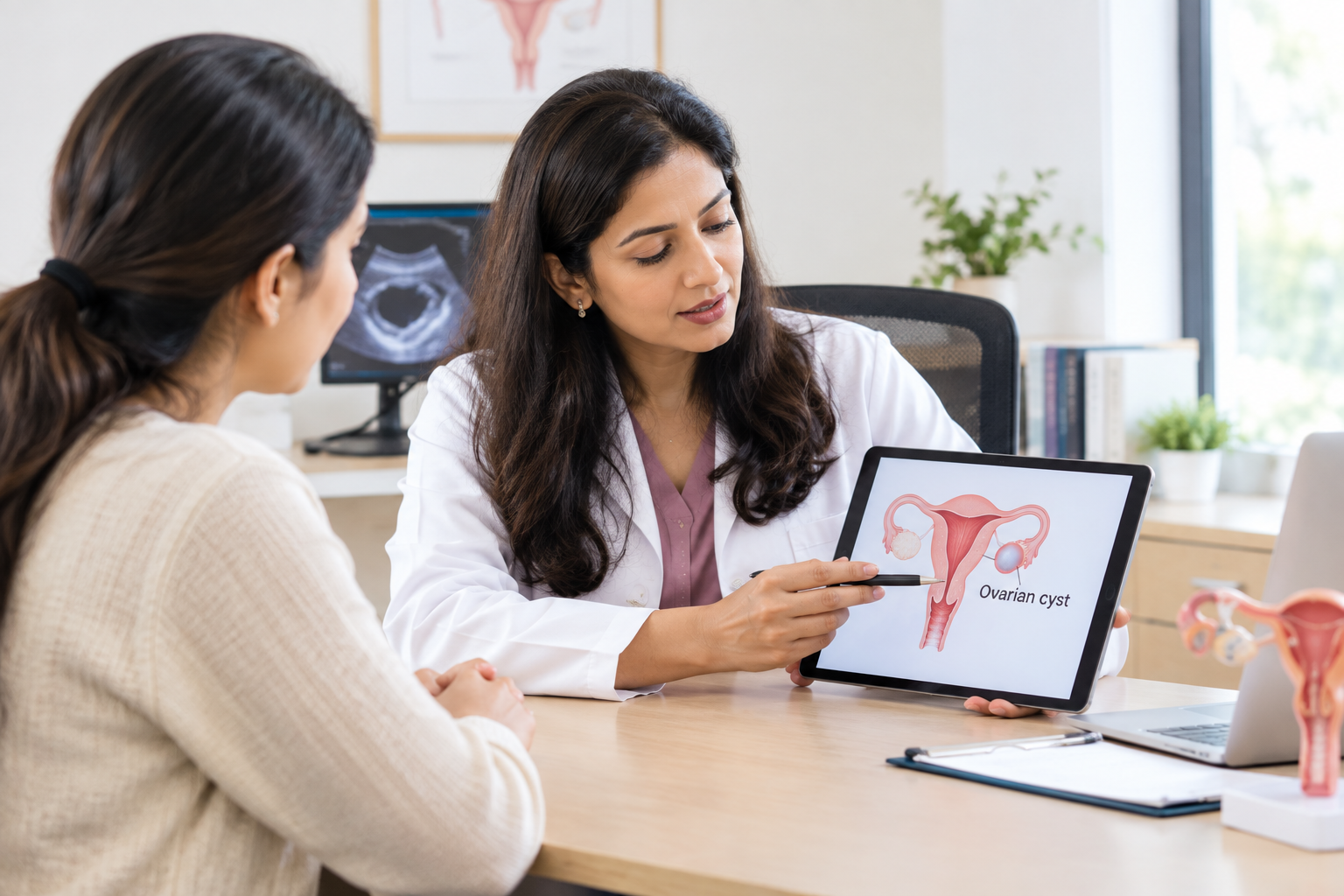
Ovarian cysts and other pelvic conditions may also contribute to discomfort. The nature of the pain matters: sudden, severe, or one-sided pelvic pain is different from recurring menstrual cramps and may require urgent evaluation.
Warning Signs You Should Not Ignore
Consider booking an appointment with a gynecologist if you notice any of the following:
- Your menstrual cramps are becoming more painful from one cycle to the next.
- Pain interferes with work, studies, sleep, exercise, or everyday activities.
- You experience pelvic pain even when you are not menstruating.
- Your periods have become unusually heavy, prolonged, or irregular.
- You experience pain during sex or pain with bowel movements or urination around your period.
- You notice bleeding between periods or unusual vaginal discharge.
- Usual pain-relief measures no longer provide adequate relief.
- You have been experiencing difficulty conceiving alongside painful periods.
Seek urgent medical care if you experience sudden or severe pelvic pain, particularly with vomiting, fainting, fever, or heavy bleeding. If pregnancy is possible and you have pelvic pain or bleeding, seek prompt assessment because an ectopic pregnancy must be ruled out.
How Is the Cause of Painful Periods Diagnosed?
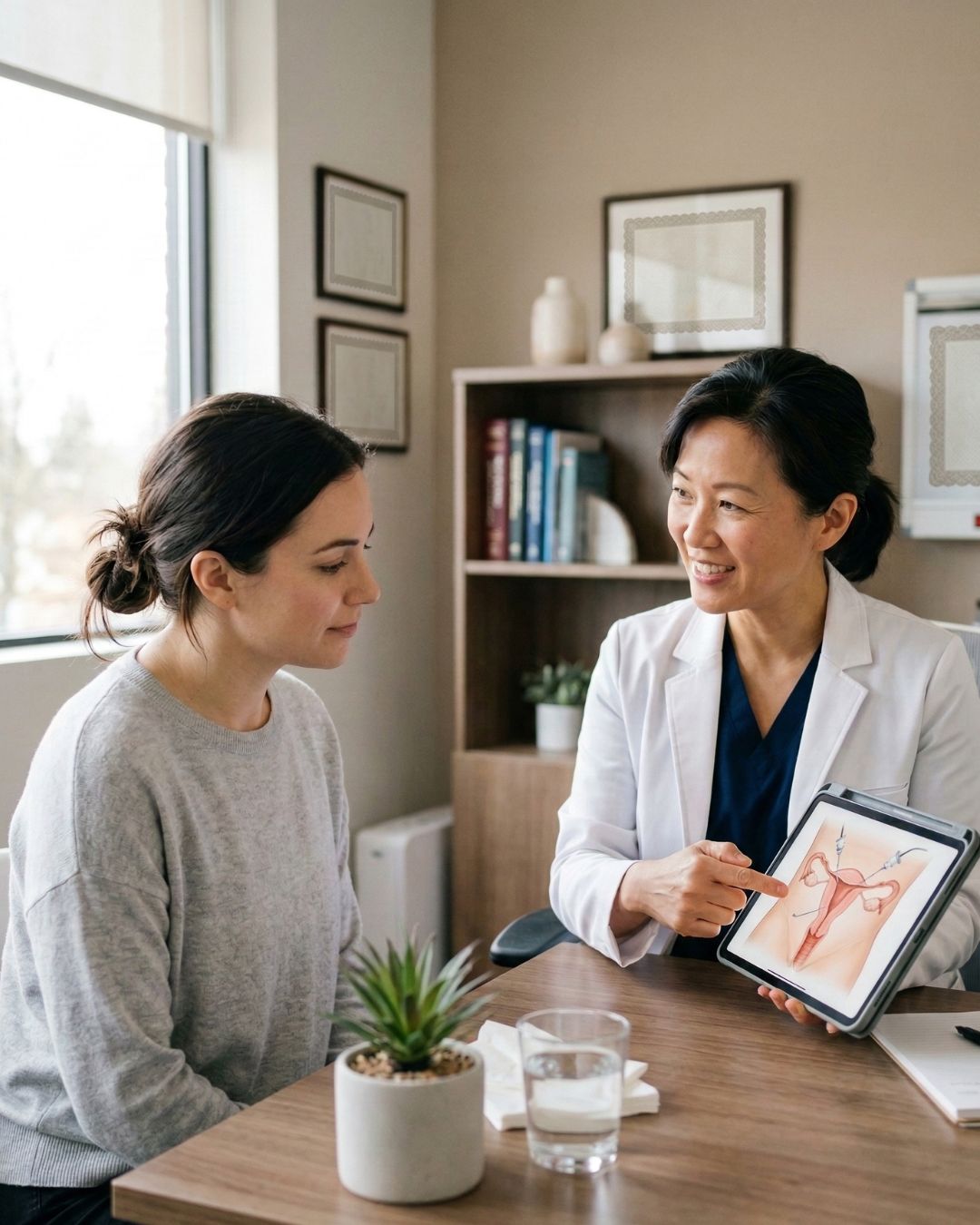
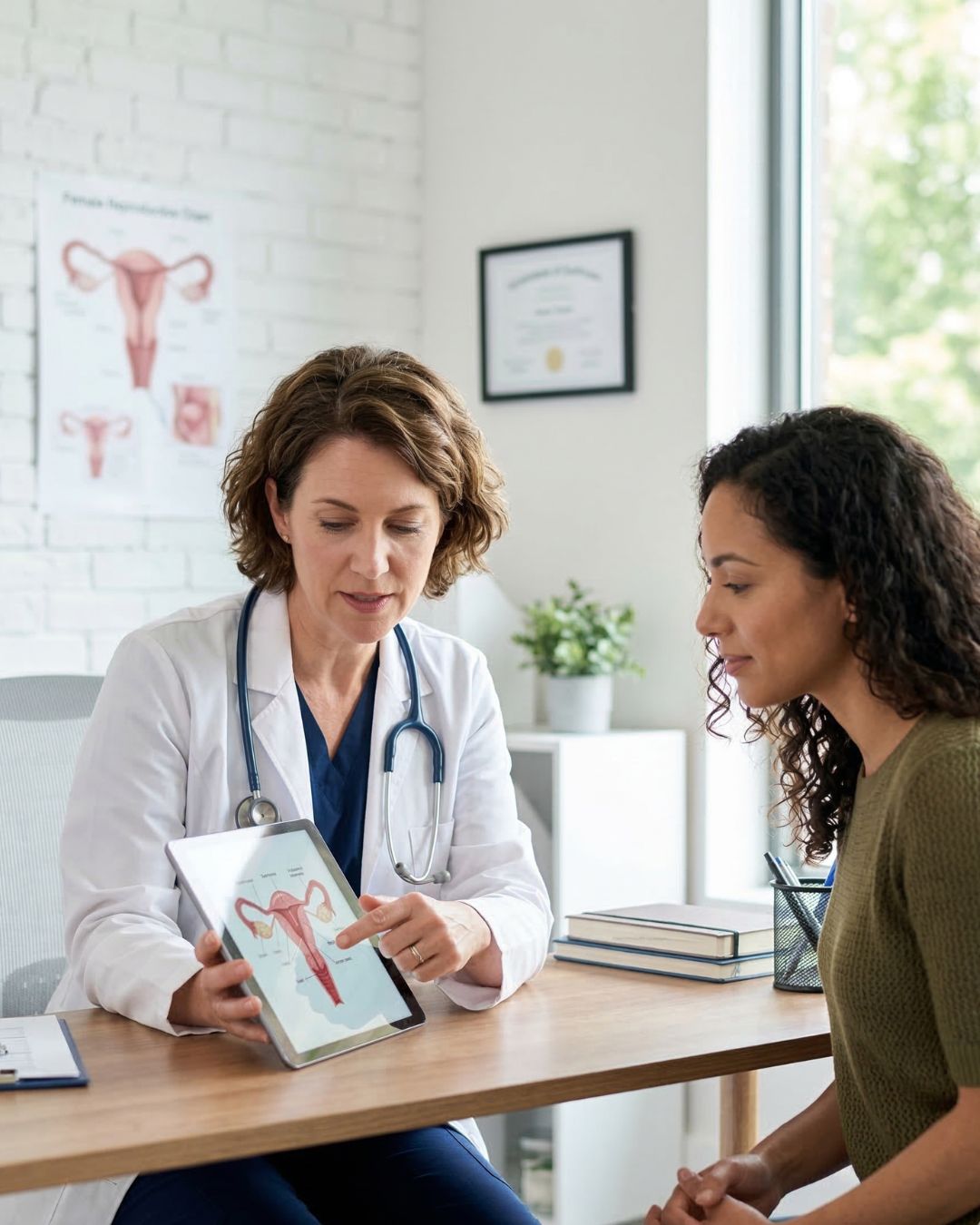
The first step is a discussion about your symptoms and menstrual history. Your gynecologist may ask when the pain begins, how long it lasts, whether it is getting worse, how heavy your bleeding is, and whether you experience pain at other times of the month.
Depending on your symptoms, the evaluation may include:
- Medical history and a review of your menstrual cycle.
- A physical or pelvic examination, when appropriate and with your consent.
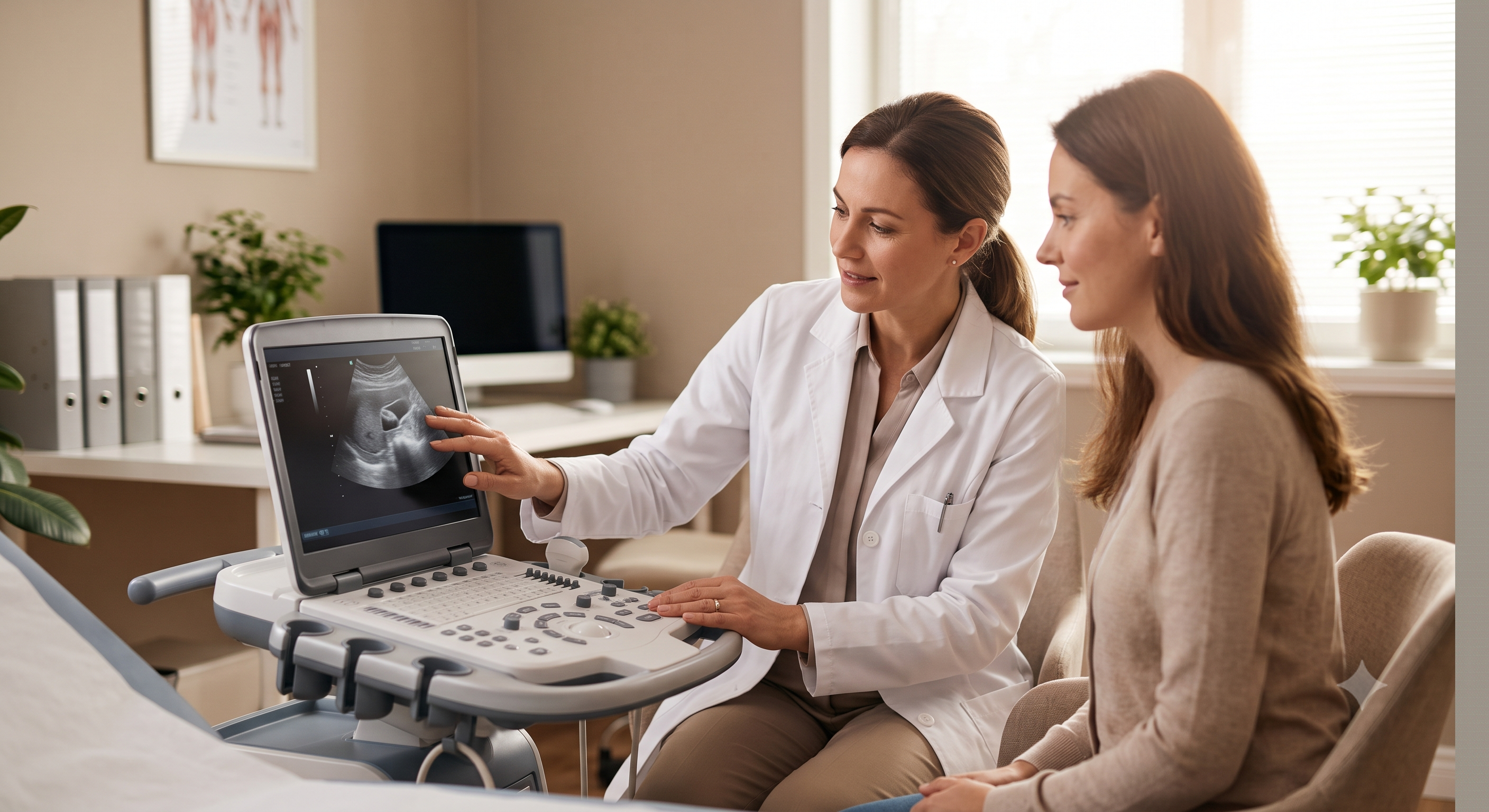
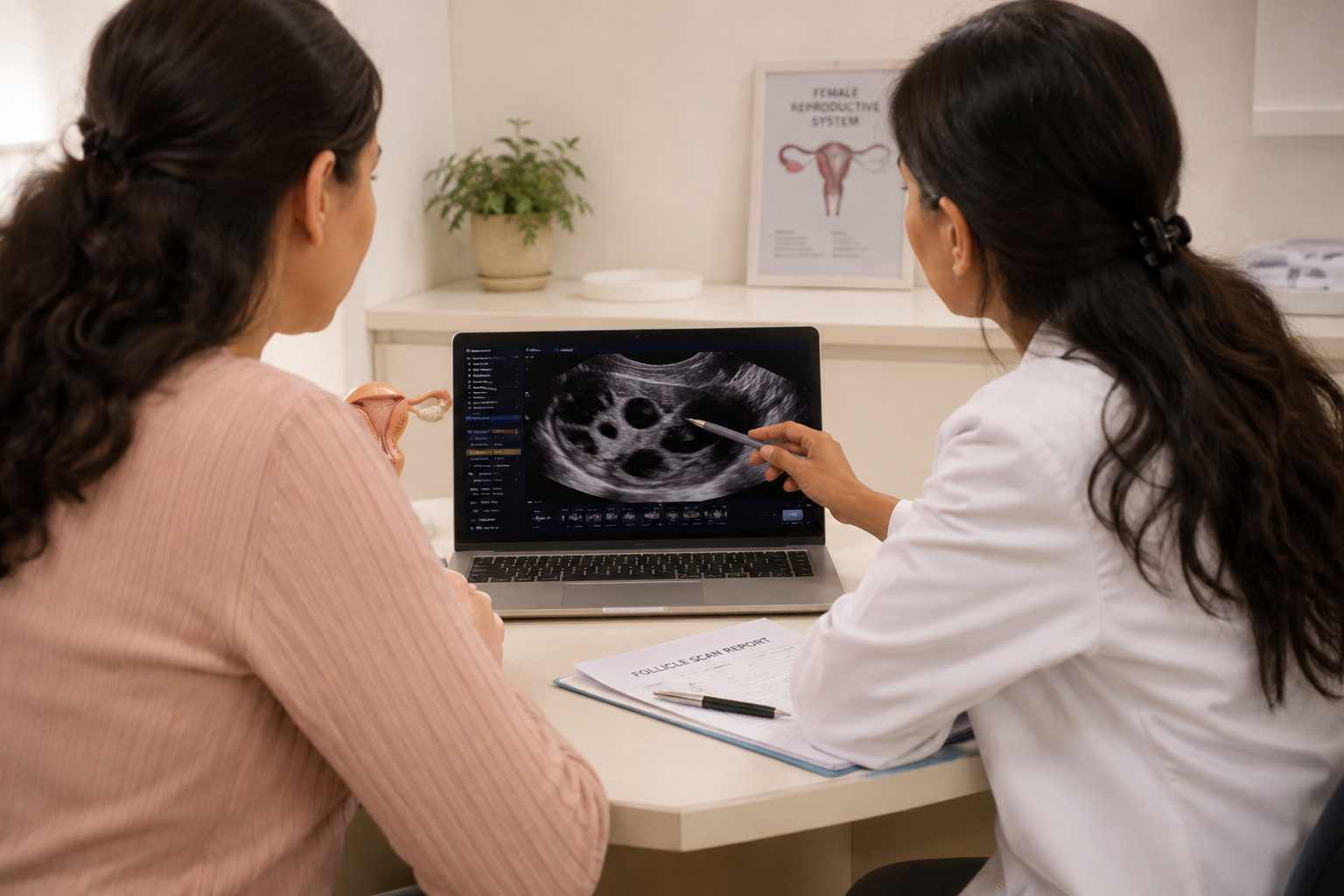
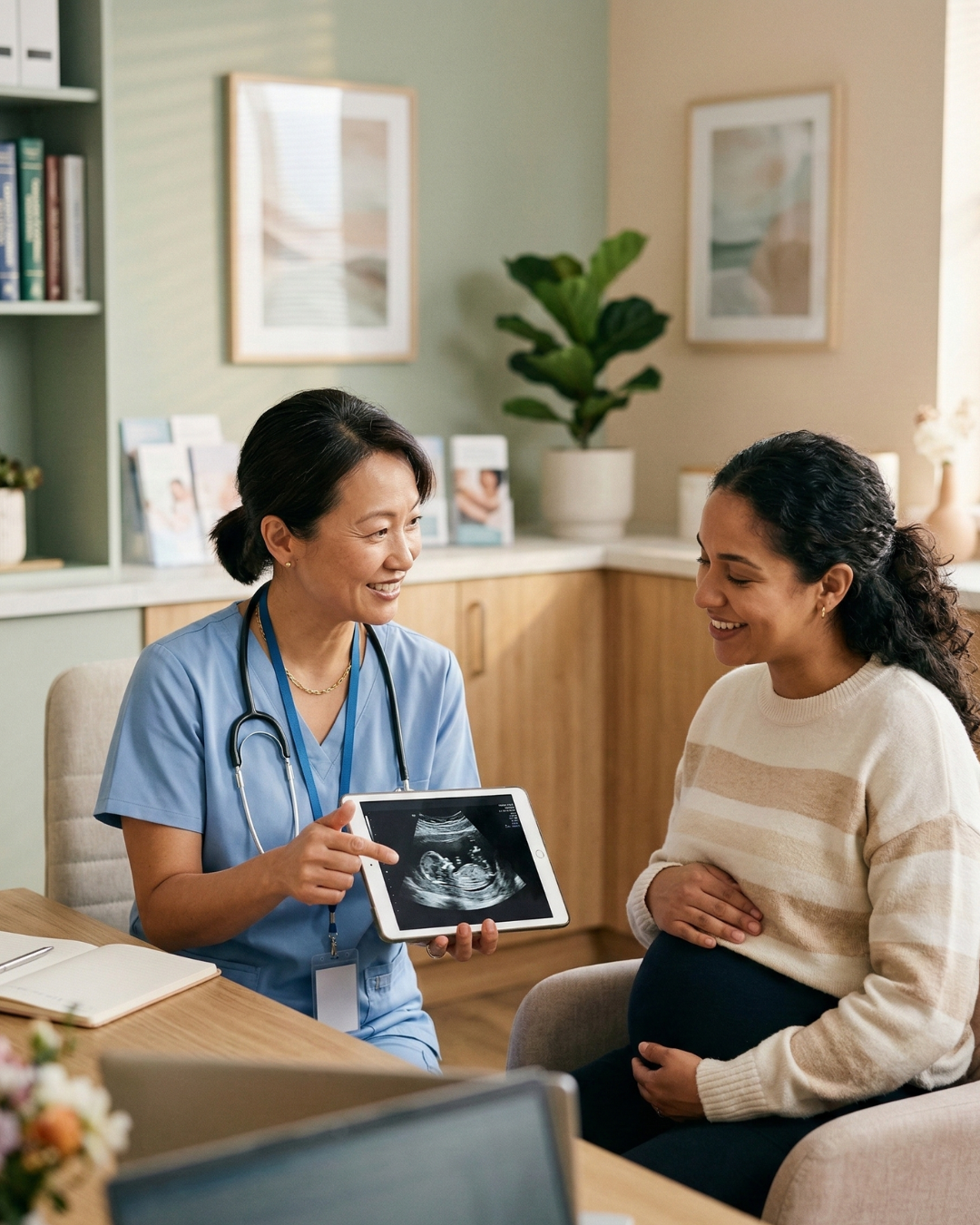
- Pelvic ultrasound to assess the uterus, ovaries, and other pelvic structures.
- Blood tests or pregnancy testing when indicated by your symptoms.
- Additional investigations or specialist assessment if a particular condition is suspected.
An ultrasound can help identify fibroids, ovarian cysts, and some features of adenomyosis or endometriosis. However, a normal ultrasound does not rule out every cause of pelvic pain, including endometriosis. Your doctor will interpret the findings alongside your symptoms and examination.
What Can Help Relieve Menstrual Cramps?
The most suitable approach depends on the cause of the pain, your medical history, whether you are trying to conceive, and your personal preferences. Measures that may help with ordinary menstrual cramps include:
- Applying a heating pad or warm water bottle to the lower abdomen.
- Engaging in gentle movement, stretching, or light exercise if comfortable.
- Maintaining regular sleep, hydration, and meals.
- Discussing suitable pain-relief medicines with a healthcare professional, especially if you have other medical conditions or take other medication.
- Keeping a menstrual diary to track pain severity, bleeding, and associated symptoms.
For some people, hormonal treatments may help manage menstrual pain or bleeding. If a condition such as endometriosis, adenomyosis, or fibroids is identified, treatment may be tailored to that diagnosis. Not every treatment is suitable for everyone, particularly when pregnancy is a current goal, so discuss the options with your gynecologist.
Can Worsening Period Pain Affect Fertility?
Painful periods do not automatically mean you will have difficulty getting pregnant. However, certain underlying conditions associated with menstrual pain, particularly endometriosis and sometimes adenomyosis or fibroids, may affect fertility in some individuals.
If you are trying to conceive and also experience worsening cramps, pain during sex, or persistent pelvic pain, mention these symptoms during your consultation. Your doctor can help determine whether further assessment is appropriate and discuss fertility-conscious treatment options.
When Should You See a Gynecologist?
You do not have to wait until period pain becomes unbearable before seeking help. Arrange an appointment if your symptoms are new, progressively worsening, unusually disruptive, or accompanied by changes in bleeding or other pelvic symptoms.
Before your appointment, it can help to note the dates of your periods, the intensity and location of pain, how often you need pain relief, how heavy the bleeding is, and any symptoms that occur between periods. This information can help your doctor understand the pattern and decide what evaluation may be useful.
The Bottom Line
Period pain is common, but progressively worsening pain should not be dismissed as something you simply have to live with. It may be ordinary menstrual cramping, or it may be a sign of an underlying condition that needs attention. A timely gynecological assessment can help identify the possible cause and guide an appropriate treatment plan.
Your periods should not repeatedly keep you from living your life. If the pain is changing, becoming more severe, or affecting your daily routine, speak with a qualified gynecologist.
Common questions
Are painful periods normal?
Mild to moderate cramps around menstruation are common. However, severe pain, pain that disrupts everyday activities, or pain that becomes progressively worse should be evaluated by a healthcare professional.
Why are my period cramps getting worse as I get older?
Worsening cramps can have several causes, including endometriosis, adenomyosis, fibroids, or other pelvic conditions. A medical assessment can help determine the likely explanation.
Can endometriosis cause severe period pain?
Yes. Endometriosis can cause significant menstrual cramps and pelvic pain, including pain outside menstruation. Symptoms vary, and a gynecologist can assess whether further investigation is appropriate.
Can adenomyosis cause heavy periods and painful cramps?
Yes. Adenomyosis may be associated with painful periods, heavy menstrual bleeding, pelvic pressure, and uterine tenderness.
When should I worry about period pain?
Seek medical advice if pain is getting worse, interfering with daily activities, occurring outside your period, or accompanied by unusually heavy bleeding or other new symptoms. Sudden severe pain requires urgent assessment.
Can painful periods affect fertility?
Pain itself does not necessarily indicate infertility. Some underlying conditions that cause painful periods, including endometriosis, may affect fertility in some people. Discuss persistent symptoms with your gynecologist if you are trying to conceive.
Can I manage painful periods at home?
Heat, gentle movement, and appropriate pain-relief measures may help with menstrual cramps. If symptoms are worsening or persist despite these measures, arrange a medical assessment rather than relying only on home care.
Can an ultrasound identify the cause of period pain?
Ultrasound can help detect fibroids, ovarian cysts, and some signs of adenomyosis or endometriosis. However, a normal scan does not exclude every cause of pelvic pain.
Should I see a doctor if painkillers no longer help?
Yes. If your usual pain-relief measures are no longer effective, or you need them more frequently, consult a healthcare professional to review your symptoms and treatment options.
Is sudden severe pelvic pain an emergency?
It can be. Sudden or severe pelvic pain, particularly with vomiting, fainting, fever, or heavy bleeding, needs urgent medical assessment. If pregnancy is possible, prompt assessment is especially important.