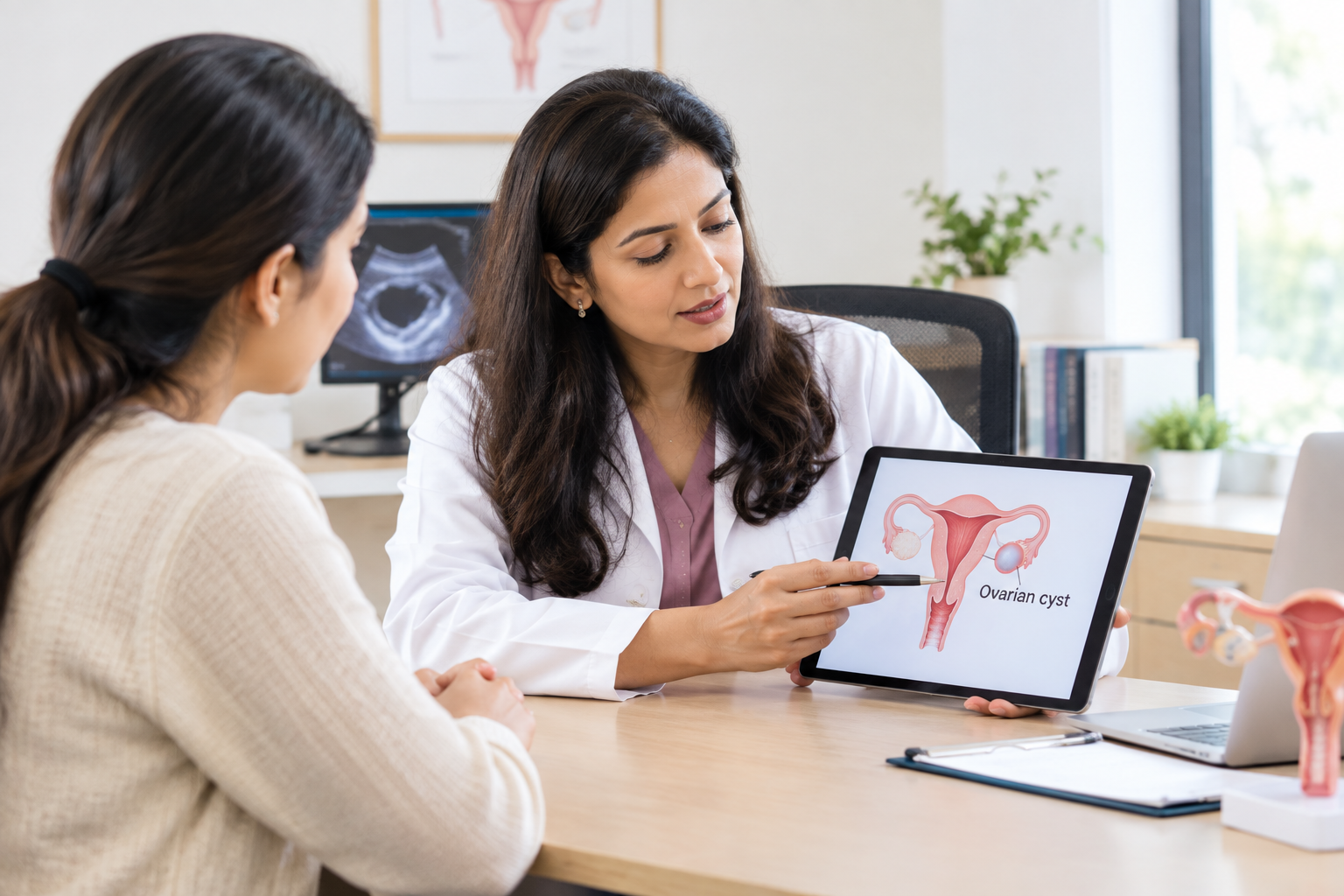
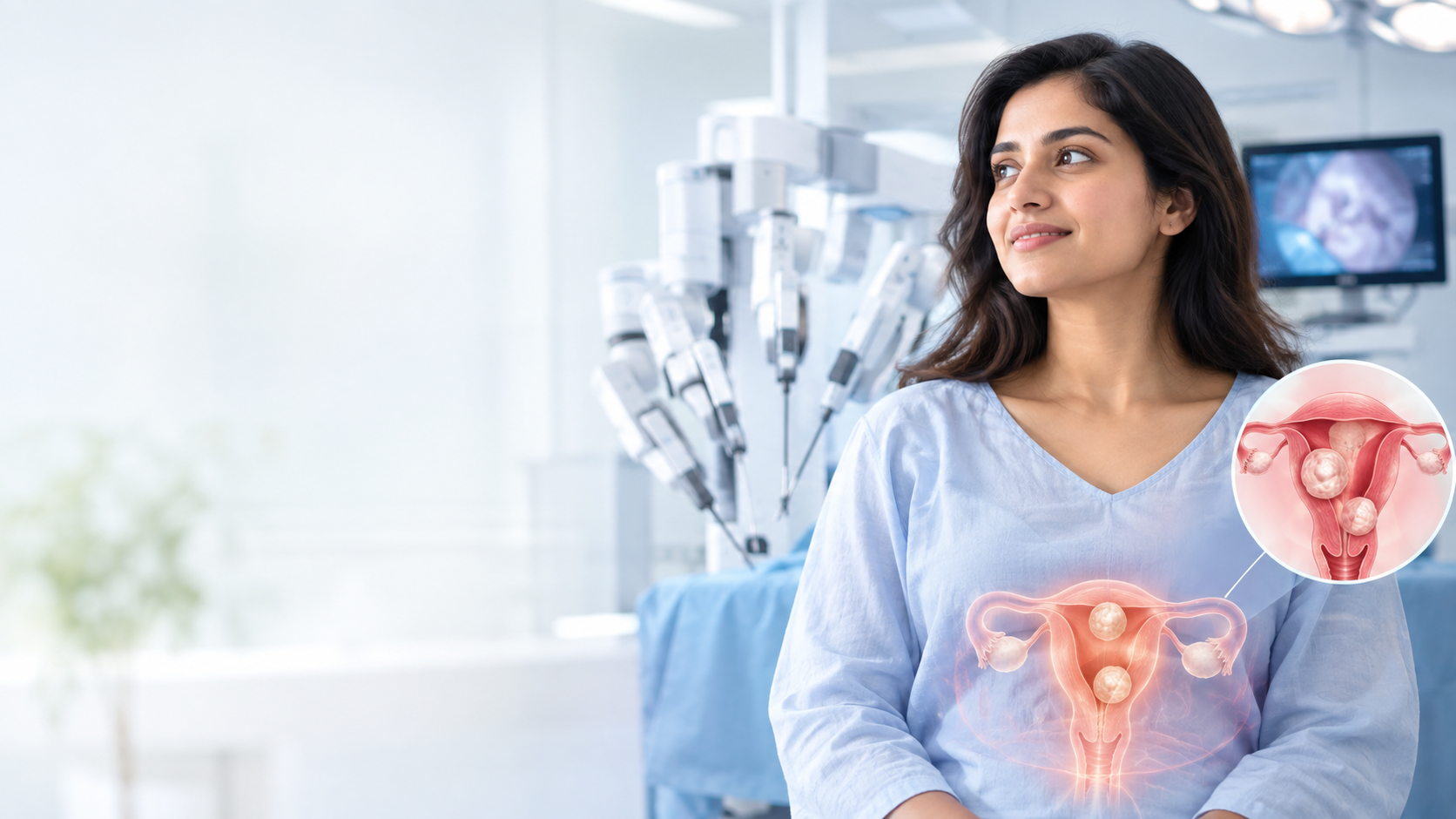
Uterine fibroids are common growths that can cause heavy or prolonged periods, pelvic pressure, pain, urinary symptoms and, in some women, fertility problems. When fibroids need to be removed, the choice of procedure depends on their size, number, location, symptoms, reproductive plans and overall health. Robotic myomectomy is one minimally invasive surgical approach that allows selected fibroids to be removed while preserving the uterus.
The bottom line
A myomectomy removes fibroids while leaving the uterus in place. A robotic approach uses a surgical robotic system controlled by the surgeon through small incisions and can provide magnified three-dimensional visualization and precise instrument movement. It may be considered for selected patients, particularly when uterine preservation is important, but it is not appropriate for every fibroid or every patient.
What is a myomectomy?
Myomectomy is surgery to remove uterine fibroids without removing the uterus. This makes it different from a hysterectomy, in which the uterus is removed.
Myomectomy can be performed through different approaches depending on where the fibroid is located and its size and number. These can include hysteroscopic, laparoscopic, robotic-assisted or open surgery.
What is robotic myomectomy?
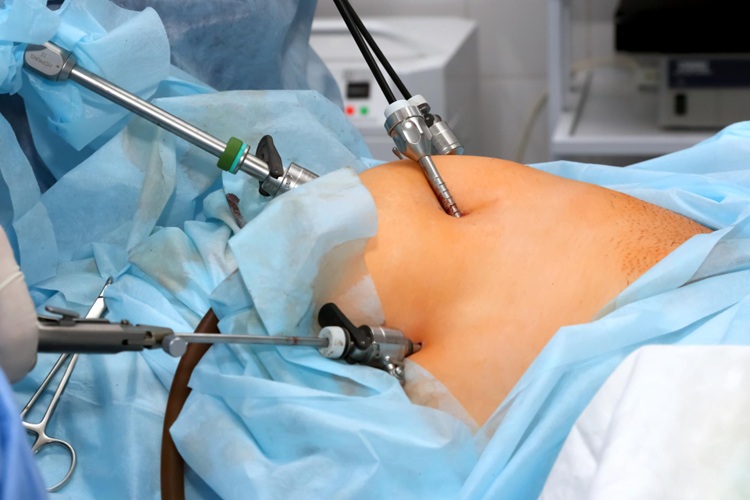
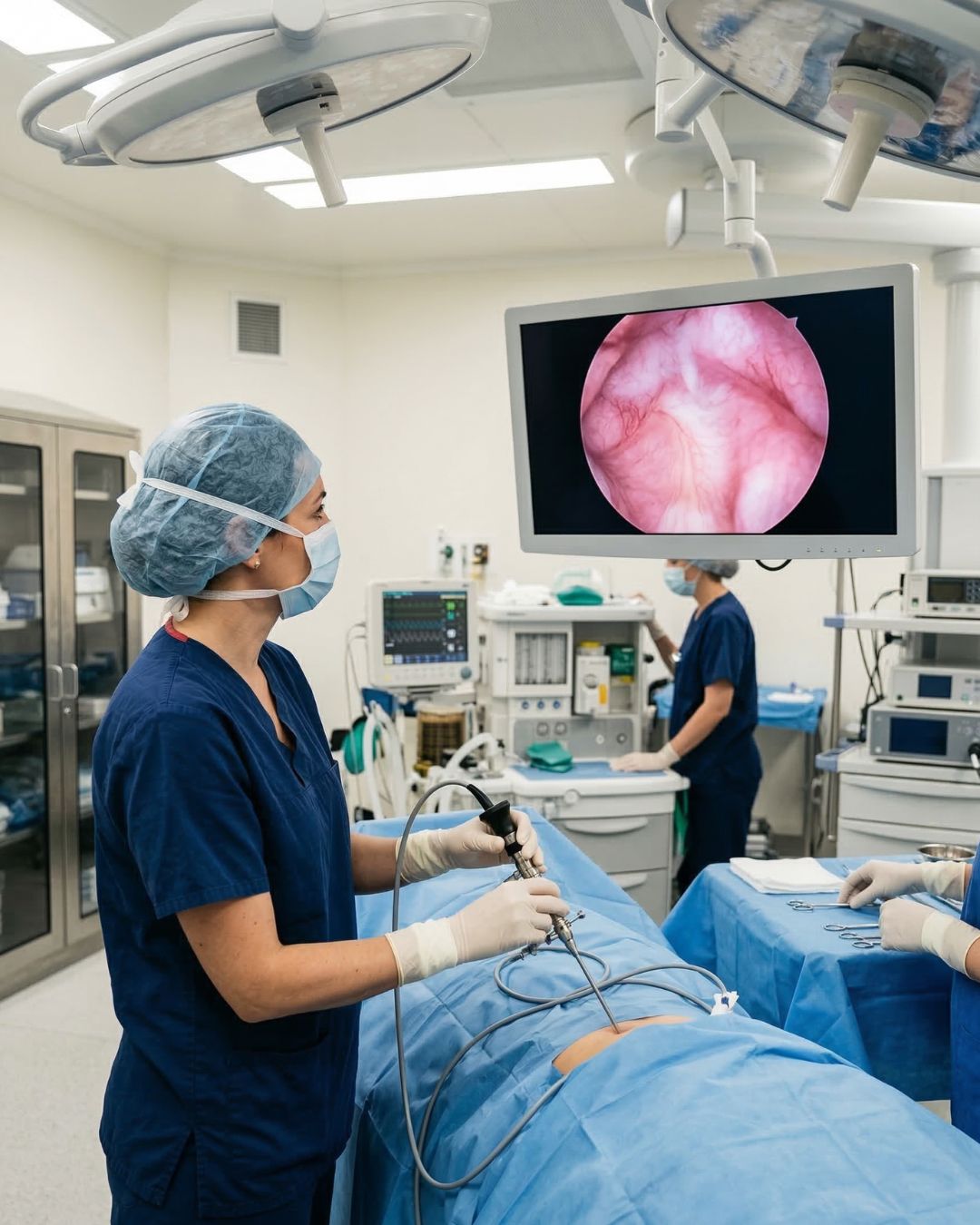
Robotic myomectomy is a minimally invasive form of myomectomy performed through small abdominal incisions. The surgeon controls the robotic instruments from a console while viewing the operating field through a magnified three-dimensional camera system.
The robotic system does not independently decide how to perform the surgery. The surgeon controls the instruments throughout the procedure.
When might robotic myomectomy be considered?
Robotic myomectomy may be considered when fibroids are causing significant symptoms or are affecting reproductive plans and surgical removal is appropriate. The exact approach depends heavily on the location, size and number of fibroids.
- Heavy or prolonged menstrual bleeding associated with fibroids
- Pelvic pressure or a feeling of fullness
- Pelvic or abdominal pain related to fibroids
- Fibroids that may be contributing to fertility problems
- Fibroids that are growing or causing significant distortion of the uterus
- A need to remove fibroids while preserving the uterus
Can robotic myomectomy preserve the uterus?
Yes. The purpose of a myomectomy is to remove fibroids while leaving the uterus intact. This can be important for women who want to preserve the possibility of future pregnancy or who do not want a hysterectomy.
However, preserving the uterus does not automatically mean that fertility will be restored or that pregnancy will be possible. Fertility depends on several factors, including age, ovarian function, the location of fibroids and other reproductive or medical conditions.
Can fibroids affect fertility?
Some fibroids can affect fertility, particularly when they distort the uterine cavity or interfere with the normal anatomy of the uterus. The effect depends on the location, size and number of fibroids.
Not every fibroid needs to be removed before trying to conceive. The decision should be based on the individual clinical picture rather than simply finding a fibroid on an ultrasound.
What does the surgeon look at before recommending robotic myomectomy?
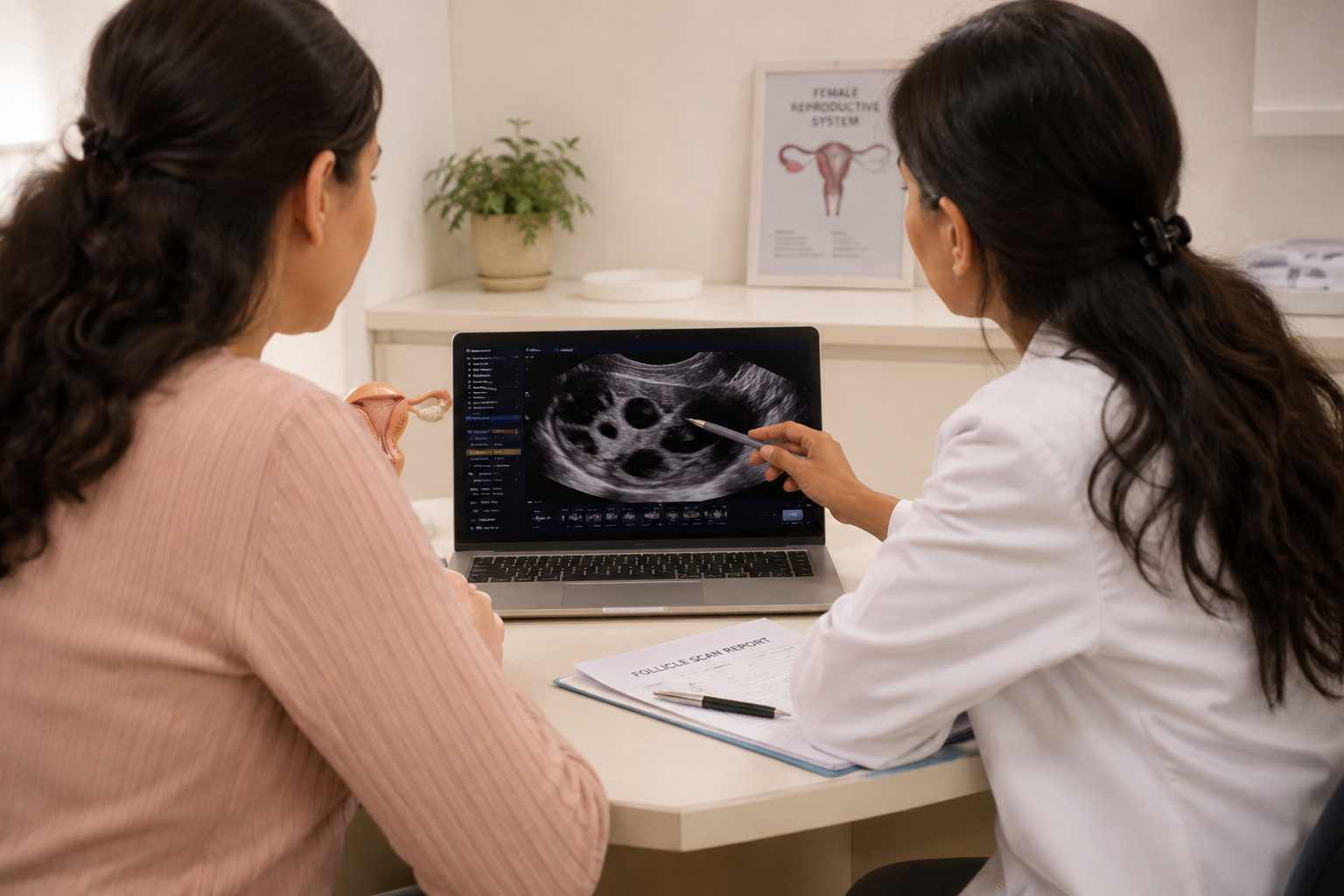
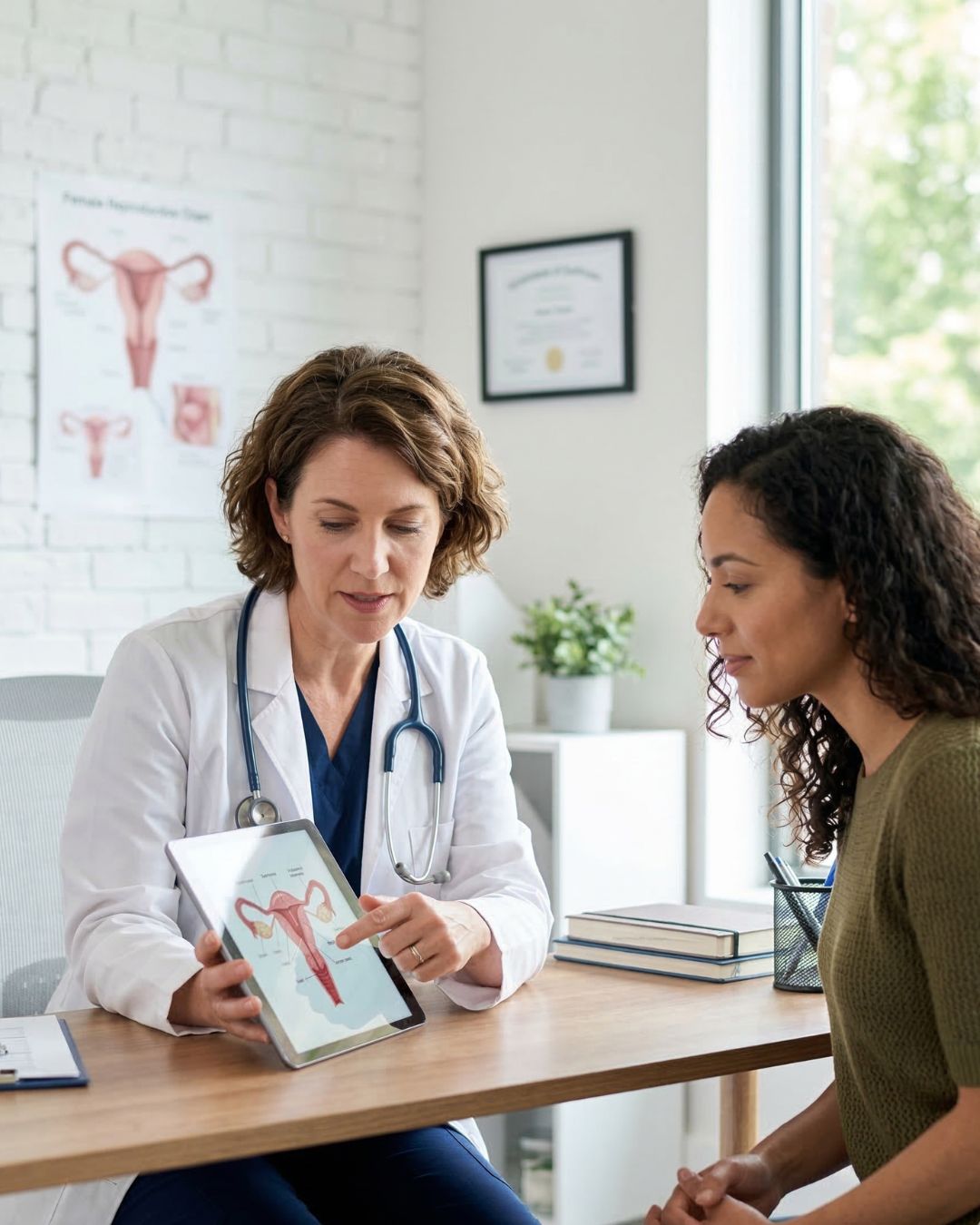
The surgical plan starts with understanding the fibroids and the patient's goals. Your gynecologist may review symptoms, menstrual history, fertility plans, previous surgeries and imaging findings.
- Number of fibroids
- Size of each fibroid
- Location within the uterus
- Whether the uterine cavity is distorted
- Relationship of the fibroids to the uterine wall and cavity
- Severity of symptoms
- Age and reproductive plans
- Previous abdominal or pelvic surgery
- Other conditions that may affect fertility or surgical risk
Why might a robotic approach be used?
Robotic surgery can provide the surgeon with magnified three-dimensional visualization and articulated instruments that allow controlled movements in a confined surgical field. These features can be useful when precise dissection and suturing are required.
Potential advantages of a minimally invasive approach can include smaller abdominal incisions and recovery that may be easier than with an open procedure in appropriately selected patients. The actual benefits depend on the complexity of the surgery and the individual patient.
Is robotic myomectomy better than traditional surgery?
There is no single surgical approach that is best for every fibroid. Robotic, laparoscopic and open myomectomy each have situations in which they may be appropriate.
Very large, numerous or difficult-to-access fibroids may require a different surgical approach. A hysteroscopic procedure may be more appropriate for selected fibroids that project into the uterine cavity. The safest and most effective approach depends on the individual anatomy and surgical plan.
What is recovery like after robotic myomectomy?
Because robotic myomectomy uses small abdominal incisions, recovery may be shorter than after an open abdominal myomectomy for appropriately selected cases. However, recovery varies depending on the number and size of fibroids removed, the complexity of the operation and the patient's general health.
- Some soreness around the small abdominal incisions is expected.
- Fatigue can continue for a period after surgery even when the incisions look healed.
- Walking and gradual activity are generally encouraged as advised by the surgical team.
- Strenuous exercise and heavy lifting should be avoided until your surgeon confirms that it is safe.
- The timing of returning to work depends on the type of work and individual recovery.
How soon can you try for pregnancy after myomectomy?
The timing of pregnancy after myomectomy depends on how deeply the uterus was involved during surgery, how it was repaired and the individual clinical situation. Your gynecologist may recommend waiting for the uterus to heal before attempting pregnancy.
Do not use a fixed internet timeline as a substitute for your surgeon's advice. The appropriate interval should be discussed after your specific surgery.
Does robotic myomectomy guarantee better fertility?
No. The goal of myomectomy may be to remove fibroids that are contributing to symptoms or potentially affecting reproductive outcomes while preserving the uterus, but surgery cannot guarantee pregnancy.
If you are planning pregnancy, your doctor may consider other fertility factors as well, including age, ovulation, ovarian reserve, fallopian tube status and semen factors when appropriate.
When might another treatment be considered instead?
Not every woman with fibroids needs surgery. Treatment may involve observation, medicines, other minimally invasive procedures or surgery depending on symptoms, fibroid characteristics, age and reproductive plans.
If pregnancy is planned, treatment choices need particular attention because some procedures are not intended for women who want future pregnancy.
When should you see a gynecologist about fibroids?
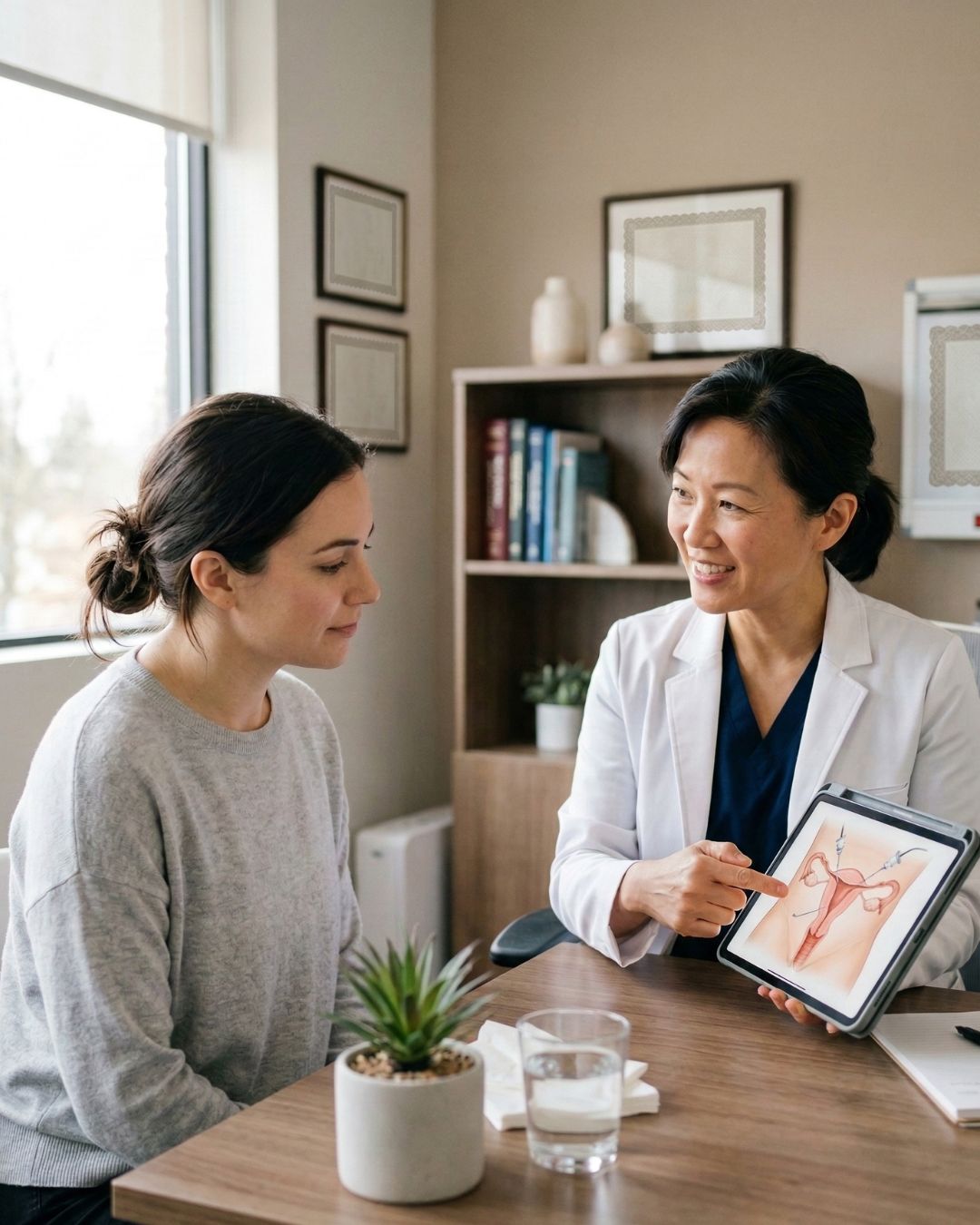
A gynecological assessment can help determine whether your symptoms are related to fibroids and whether monitoring, medication or a surgical option should be considered.
- Your periods have become unusually heavy or prolonged.
- You have persistent pelvic pressure, pain or abdominal fullness.
- You have been diagnosed with fibroids and are planning pregnancy.
- You have difficulty conceiving and fibroids have been found on imaging.
- You have anemia or significant fatigue associated with heavy menstrual bleeding.
- You have been advised to consider surgery and want to understand whether uterine preservation is possible.
The takeaway
Robotic myomectomy is a uterus-preserving surgical option for selected women with symptomatic or clinically significant fibroids. It can provide a minimally invasive approach with magnified three-dimensional visualization and precise instrument control. Whether it is appropriate depends on the size, number and location of fibroids, symptoms, fertility plans and the surgeon's assessment. If preserving fertility or the uterus matters to you, discuss these goals before deciding on treatment.
Resources
Common questions
What is robotic myomectomy?
Robotic myomectomy is a minimally invasive surgery in which the surgeon removes uterine fibroids while preserving the uterus. The surgeon controls robotic instruments through small abdominal incisions.
Can robotic myomectomy preserve fertility?
Myomectomy preserves the uterus and may be considered when future pregnancy is important. However, preserving the uterus does not guarantee pregnancy because fertility depends on several factors beyond fibroids.
Is robotic myomectomy suitable for all fibroids?
No. Suitability depends on the number, size and location of fibroids, their relationship to the uterine cavity, symptoms, reproductive plans and other medical factors.
What is the difference between robotic myomectomy and hysterectomy?
Myomectomy removes the fibroids while keeping the uterus. Hysterectomy removes the uterus. Myomectomy may therefore be considered when uterine preservation is important.
How long does it take to recover after robotic myomectomy?
Recovery varies according to the number and size of fibroids, the complexity of surgery and the individual's health. Robotic surgery may allow a faster recovery than open abdominal surgery in appropriately selected cases, but your surgeon should provide your specific recovery timeline.
Can fibroids affect pregnancy?
Some fibroids can affect fertility or pregnancy, particularly when they distort the uterine cavity. The effect depends on the fibroid's size, number and location, so finding a fibroid does not automatically mean it needs to be removed.
How long should I wait before trying to conceive after myomectomy?
The recommended interval depends on how the uterus was involved and repaired during surgery. Your gynecologist should advise you about when it is safe to start trying for pregnancy after your individual procedure.