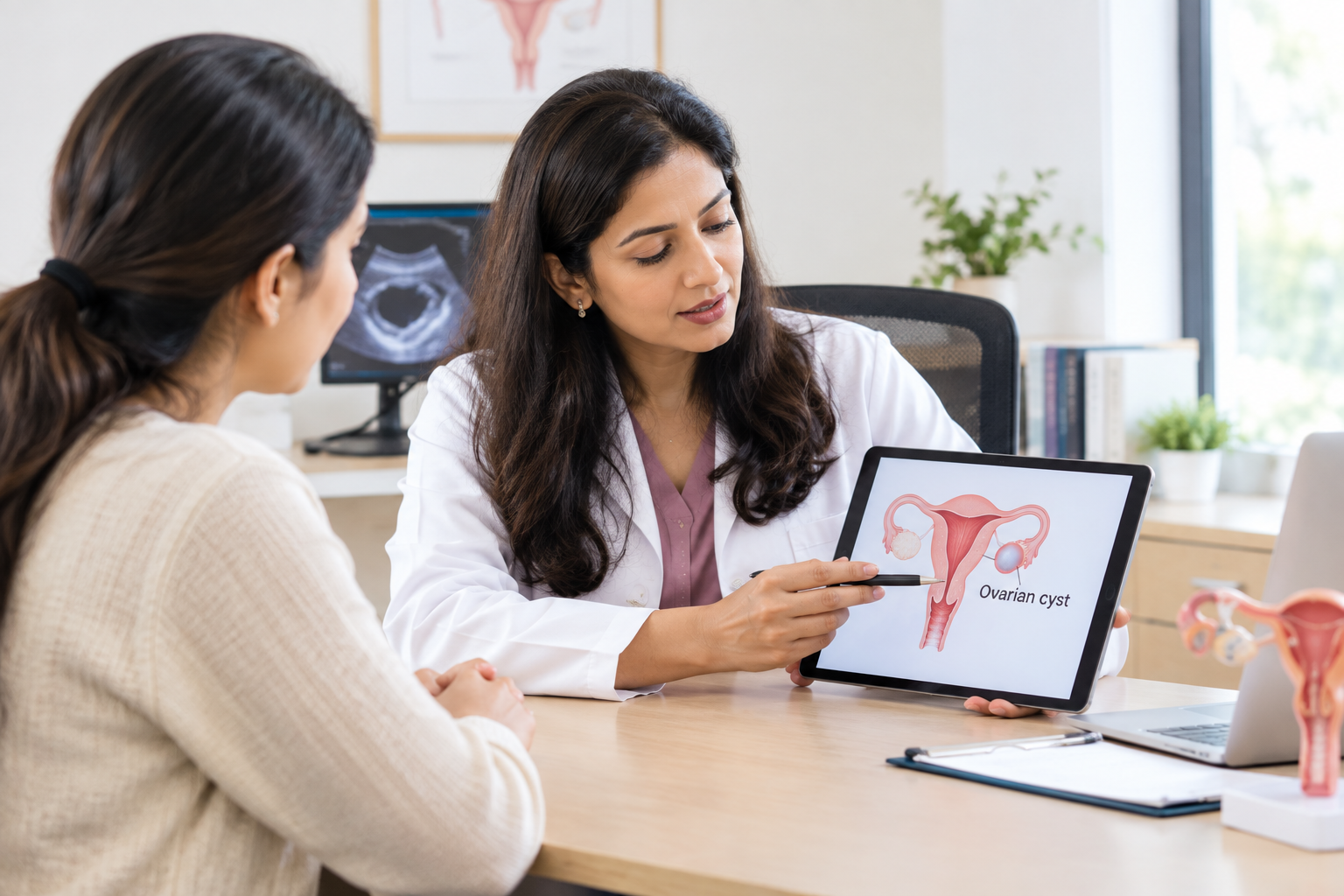
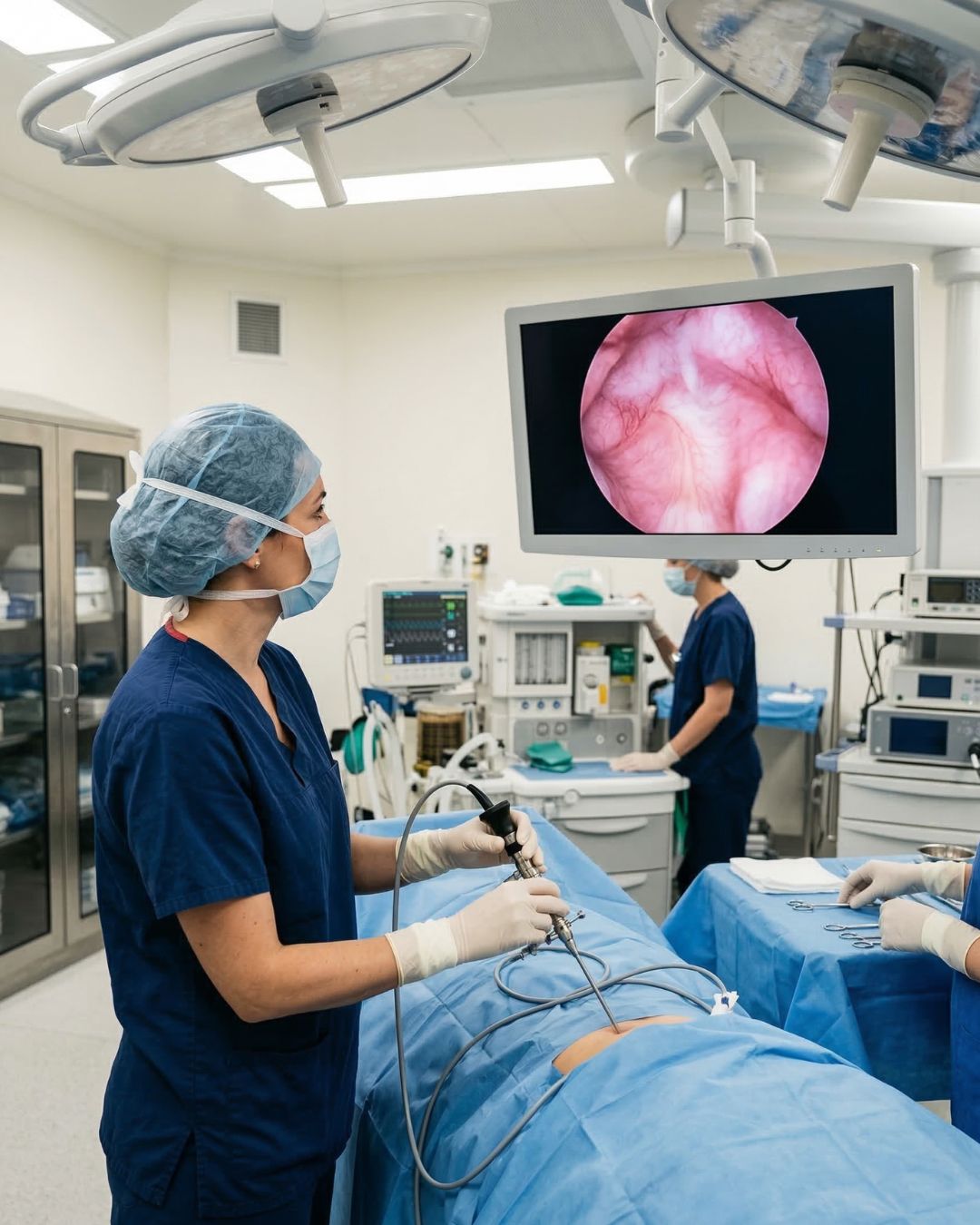
Asherman's syndrome is a condition where scar tissue, also called intrauterine adhesions, forms inside the uterus. It may lead to very light periods, missed periods, pelvic pain, difficulty conceiving or repeated pregnancy loss. Hysteroscopy is often the key procedure because it allows the doctor to see the uterine cavity directly and remove adhesions with precision.
What is Asherman's syndrome?
Asherman's syndrome usually means that parts of the inner walls of the uterus have stuck together because of scar tissue. This can reduce the normal space inside the uterus. In some women, the adhesions are thin and filmy. In others, they are dense and cover a larger part of the cavity.
The condition is often discussed during fertility evaluation because the uterine lining and cavity both matter for implantation. A woman may still ovulate normally, but pregnancy can become difficult if the uterus cannot support implantation well.
Common symptoms to watch for
Symptoms depend on how much of the uterine cavity is affected. Some women have no obvious symptoms and discover the problem during infertility testing. Others notice a clear change after a D&C, miscarriage procedure, postpartum procedure or uterine surgery.
Why does Asherman's syndrome happen?
The most common trigger is injury to the uterine lining after a procedure inside the uterus. This may happen after dilation and curettage, retained pregnancy tissue removal, surgery for fibroids or infection inside the uterus.
Not every woman who has a D&C develops adhesions. Risk depends on the timing of the procedure, infection, amount of tissue removed, healing response and previous uterine procedures. This is why a careful history is important during consultation.
How hysteroscopy helps
Hysteroscopy is useful because it can be both diagnostic and therapeutic. A thin camera is passed through the cervix into the uterus. The doctor can inspect the cavity, identify adhesions and judge whether they are mild, moderate or severe.
If treatment is needed, operative hysteroscopy may be used to cut or separate the adhesions. This is called hysteroscopic adhesiolysis. The aim is to restore the uterine cavity as safely as possible while protecting healthy lining.
Can hysteroscopy improve fertility?
Hysteroscopy can improve the uterine cavity when adhesions are the reason for infertility or pregnancy loss. Fertility outcome depends on the severity of adhesions, the quality of the endometrium, age, ovarian reserve, sperm factors and whether adhesions return after treatment.
A practical way to think about it is this: surgery can restore space inside the uterus, but fertility also depends on how well the lining heals afterwards. This is where follow-up, menstrual changes and repeat assessment become important.
What happens after adhesion removal?
After hysteroscopic adhesiolysis, the doctor may advise medicines or a temporary barrier inside the uterus to reduce the chance of the walls sticking together again. Some patients need a second-look hysteroscopy because adhesions can recur, especially when the original scarring was dense.
Recovery from the procedure itself is usually quick, but healing of the uterine lining takes longer. Your doctor may track your periods, ultrasound findings and symptoms before giving advice about trying for pregnancy.
When can you try for pregnancy?
This depends on how severe the adhesions were and how the uterus looks after treatment. Some women may be advised to wait until the lining has healed and a follow-up scan or hysteroscopy is reassuring. If IVF is being planned, embryo transfer may be delayed until the cavity is ready.
If you had Asherman's syndrome and conceive after treatment, pregnancy may need closer monitoring. Placenta-related issues, miscarriage risk and preterm birth risk can be higher in some women, especially after severe adhesions.
What makes this different from a routine hysteroscopy?
A routine diagnostic hysteroscopy may only inspect the cavity. Asherman's syndrome treatment is more delicate because the surgeon must separate scar tissue without damaging the remaining endometrium. The goal is not just to open the cavity. The goal is to preserve future function.
This is why experience matters. If fertility is a priority, ask how the adhesions will be assessed, how recurrence will be reduced, whether follow-up hysteroscopy is needed and when it is safe to plan conception.
When should you book a consultation?
Book a gynecology visit if your periods became very light or stopped after a uterine procedure, if you have repeated miscarriage, or if infertility testing suggests a uterine cavity problem.
At Raheja Clinic, Dr Tripti Raheja evaluates menstrual history, fertility goals, ultrasound findings and previous procedure records before advising hysteroscopy. If you are searching for an infertility specialist or laparoscopic gynecologist for connected concerns, the visit can also help decide whether hysteroscopy, laparoscopy or both are relevant.
Resources
Common questions
Can Asherman's syndrome be treated?
Yes. Many cases can be treated with hysteroscopic adhesiolysis, where scar tissue inside the uterus is carefully divided or removed. The result depends on the severity of adhesions, the health of the uterine lining and whether adhesions come back after treatment.
Is hysteroscopy necessary for Asherman's syndrome?
Hysteroscopy is often the most useful test because it allows direct viewing of the uterine cavity. It can also allow treatment in the same or a planned operative setting.
Can I get pregnant after Asherman's syndrome treatment?
Pregnancy is possible for many women after treatment, especially when adhesions are mild or moderate. Fertility also depends on age, ovarian reserve, sperm health, endometrial healing and whether adhesions recur.
Do adhesions come back after hysteroscopy?
They can come back, especially when adhesions were dense or widespread. Your doctor may advise follow-up hysteroscopy, medicines or a temporary uterine barrier to reduce recurrence risk.
What are signs of Asherman's syndrome after D&C?
Warning signs include periods becoming much lighter, periods stopping, cramps without proper bleeding, difficulty conceiving or repeated miscarriage after a uterine procedure.
How long is recovery after hysteroscopic adhesion removal?
Most women recover from the procedure within a few days, but uterine lining recovery takes longer. Your doctor may plan follow-up before advising pregnancy attempts or fertility treatment.
Is Asherman's syndrome the same as thin endometrium?
No. Asherman's syndrome means adhesions or scar tissue inside the uterus. Thin endometrium means the uterine lining is not building well. The two can happen together, but they are not the same problem.
Should I see a gynecologist or infertility specialist?
If you are trying to conceive, see a gynecologist and obstetrician with fertility and hysteroscopy experience. Dr Tripti Raheja can assess whether your symptoms need hysteroscopy, infertility treatment or pregnancy planning support.