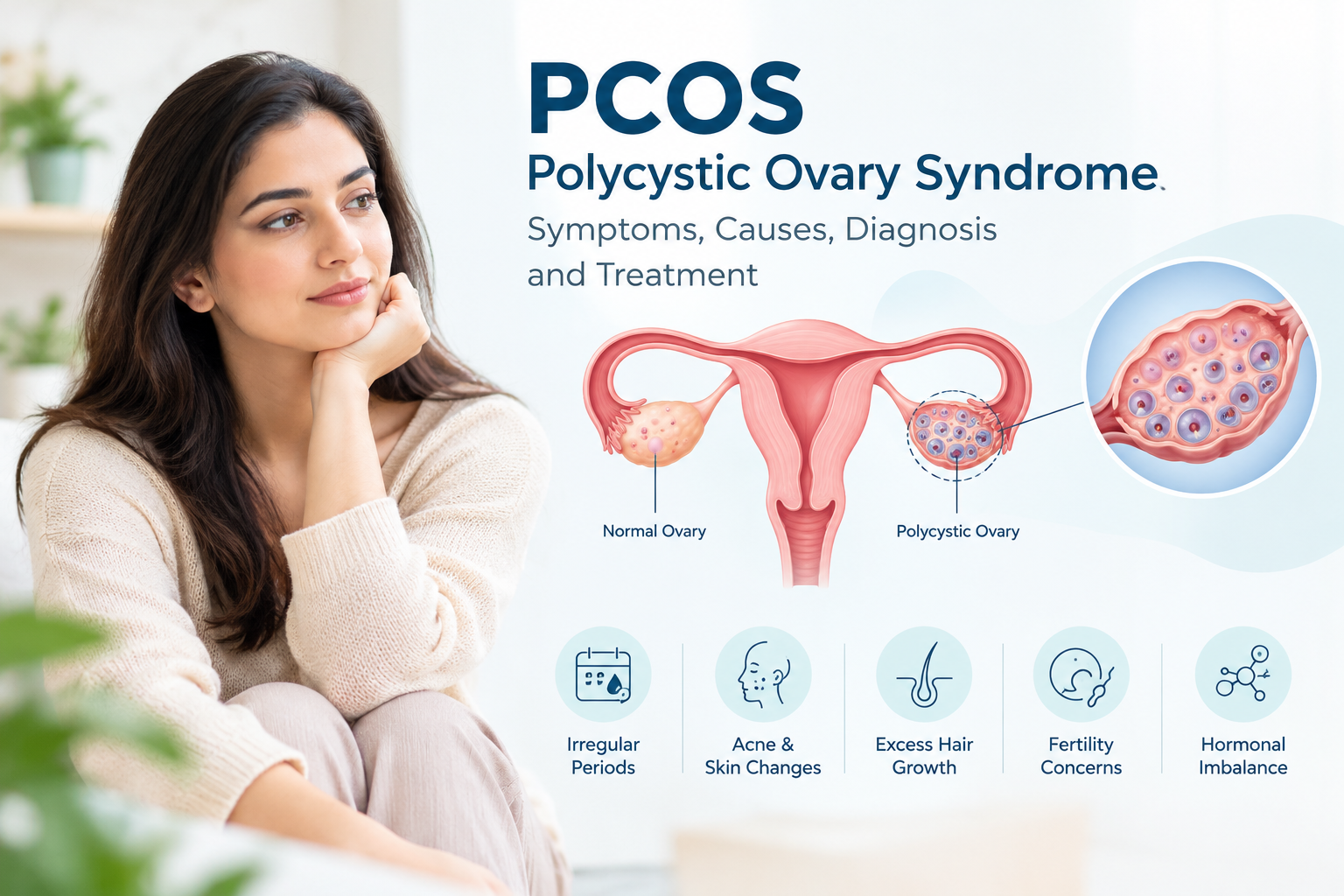
Polycystic ovary syndrome (PCOS) is a hormonal and metabolic condition that can affect people during their reproductive years. It may cause irregular menstrual cycles, acne, increased facial or body hair, scalp hair thinning and difficulties with ovulation. Some people with PCOS have few noticeable symptoms, while others experience several. PCOS is manageable, and treatment can be tailored to symptoms, long-term health needs and pregnancy plans. An appropriate medical assessment is important because other conditions can cause similar symptoms.
What Is PCOS?
PCOS is a condition involving changes in reproductive hormones and, in many cases, the body's response to insulin. It can interfere with the regular release of eggs from the ovaries, a process called ovulation.
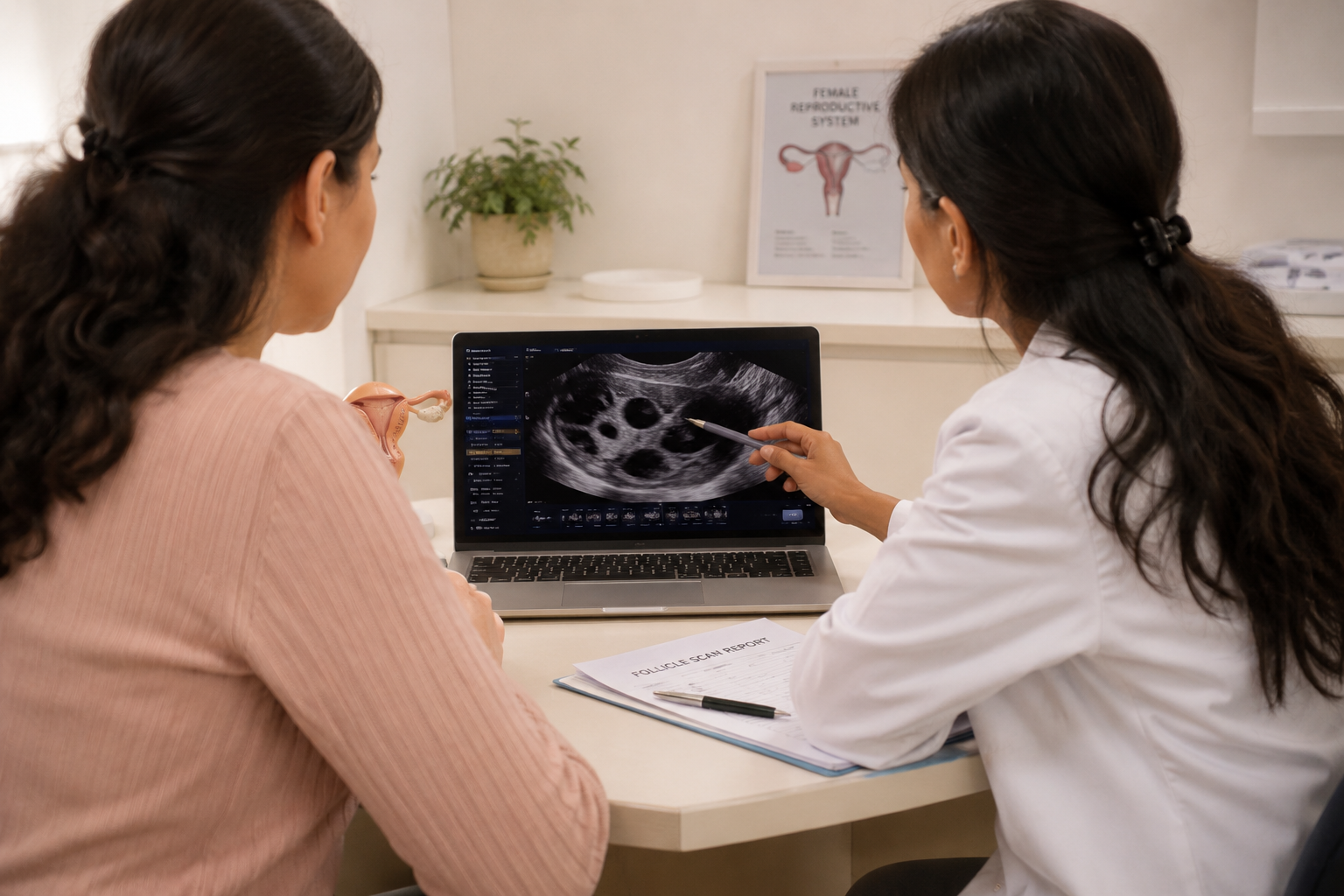
The term polycystic can be misleading. The small structures seen on an ovarian ultrasound are usually follicles, which contain immature eggs; they are not necessarily harmful cysts. Not everyone with PCOS has this ultrasound appearance, and an ultrasound finding alone does not establish the diagnosis.
PCOS affects people differently. Some primarily experience irregular periods, while others seek medical advice because of acne, excess hair growth, fertility concerns or metabolic health risks.
Common Symptoms of PCOS
Symptoms can begin during adolescence or become more noticeable later. Their severity varies, and having one symptom does not automatically mean that a person has PCOS.
Common symptoms and associated concerns include:
- Irregular, infrequent or missed menstrual periods.
- Difficulty predicting ovulation or conceiving.
- Acne or persistent oily skin.
- Increased facial or body hair growth.
- Thinning hair on the scalp in a pattern associated with higher androgen levels.
- Weight gain or difficulty managing weight in some individuals.
- Darkened, thicker skin in body folds, which can be associated with insulin resistance.
What Causes PCOS?
There is no single established cause of PCOS. Genetics, hormonal regulation and metabolic factors are thought to contribute. PCOS can run in families, although having a relative with the condition does not guarantee that someone will develop it.
Some people with PCOS have higher levels or effects of androgens, hormones present in all people that are often called male hormones. Increased androgen activity can contribute to acne, unwanted hair growth and disruption of ovulation.
Insulin resistance can also play a role. When the body does not respond effectively to insulin, the pancreas may produce more of it. In some people, higher insulin levels can contribute to increased androgen production. However, not everyone with PCOS has insulin resistance, and the condition is not simply caused by lifestyle choices.
PCOS is not a person's fault. A clinician can help identify the symptoms and health factors that matter most in an individual case.
How Is PCOS Diagnosed?
There is no single test that confirms every case of PCOS. Diagnosis usually involves reviewing menstrual history, symptoms, medical history and examination findings, along with selected laboratory tests.
In adults, clinicians generally assess for a combination of ovulatory dysfunction, clinical or biochemical evidence of increased androgen levels, and polycystic ovarian morphology on ultrasound or an appropriate alternative marker. Other conditions that can cause similar symptoms need to be excluded. The exact diagnostic approach depends on the patient's age and clinical circumstances.
Blood tests may be used to evaluate androgen levels and investigate other causes of irregular periods. A clinician may also assess blood pressure, blood glucose and cholesterol or other lipid levels because PCOS is associated with an increased risk of certain metabolic problems.
An ultrasound is not always necessary to diagnose PCOS in adults when the relevant clinical criteria are already met. In adolescents, ultrasound and anti-Müllerian hormone testing should not be used alone to diagnose PCOS because normal developmental changes can make interpretation difficult.
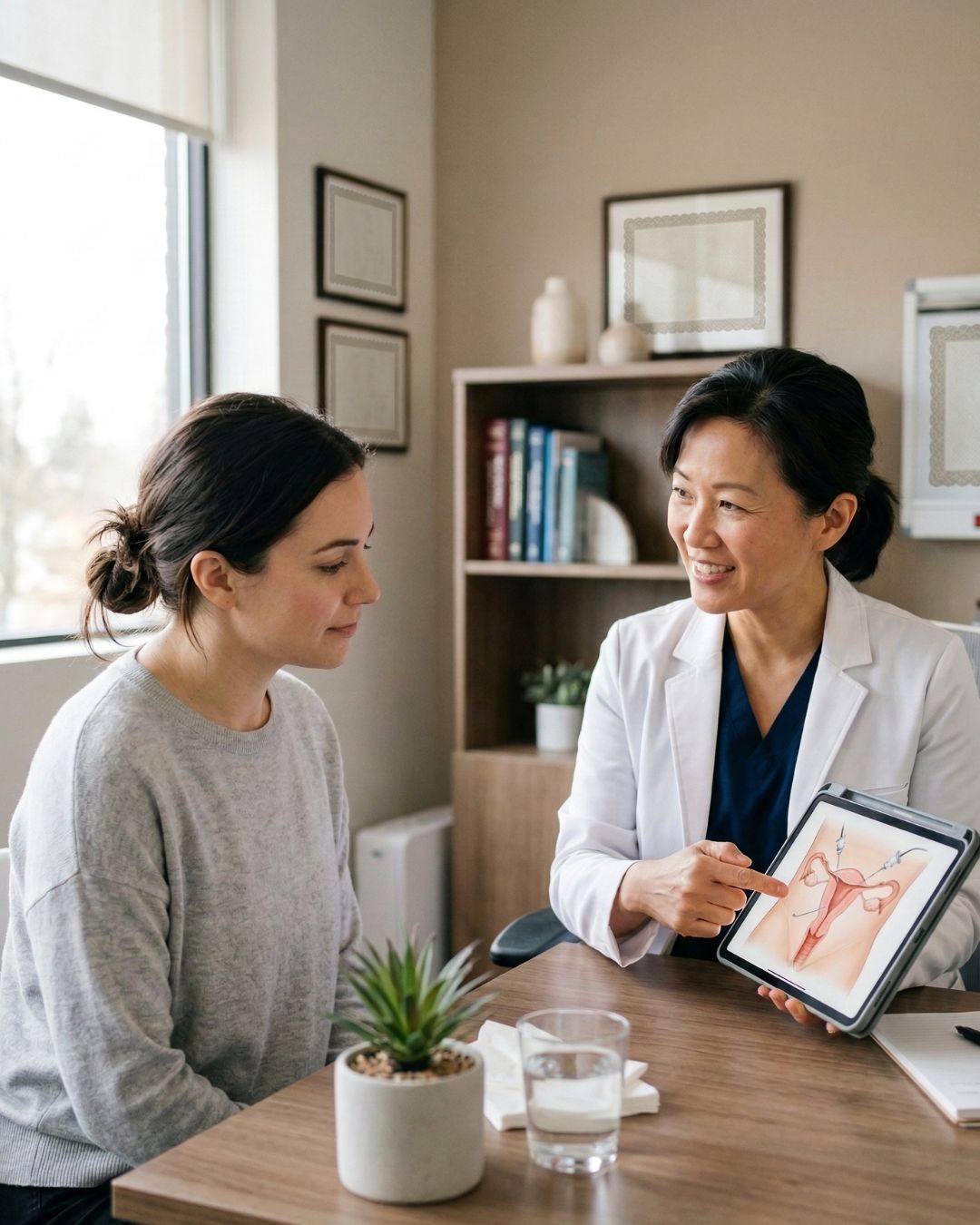
If periods have become irregular or symptoms such as excess hair growth or acne are persistent, consult a gynaecologist rather than relying on online symptom checklists.
PCOS Treatment Options
PCOS treatment is individualised. The most suitable approach depends on the symptoms, medical history, risk factors and whether pregnancy is desired now or in the future. There is no single treatment that is right for everyone.
Treatment may include the following approaches:
- Lifestyle support: sustainable eating habits, regular physical activity, adequate sleep and support with weight management when appropriate can improve overall health and may help regulate cycles in some people.
- Menstrual-cycle management: hormonal contraceptives may be prescribed to regulate bleeding, manage some androgen-related symptoms and protect the uterine lining in selected patients.
- Treatment for excess hair or acne: clinicians may consider hormonal treatment, selected medicines or dermatological options depending on the symptoms and individual risks.
- Metabolic care: selected patients may benefit from medicines such as metformin, particularly when metabolic concerns or specific clinical indications are present.
- Fertility treatment: people trying to conceive may benefit from assessment of ovulation and other fertility factors, followed by an appropriate treatment plan.
PCOS, Fertility and Pregnancy
PCOS can affect fertility when ovulation is irregular or does not occur consistently. However, a PCOS diagnosis does not mean that pregnancy is impossible. Many people with PCOS conceive, either naturally or with medical support.
If pregnancy is desired, a clinician can assess ovulation and consider other factors affecting fertility, including the partner's reproductive health when relevant. Letrozole is commonly recommended as a first-line medicine for ovulation induction in appropriate patients with PCOS-related anovulatory infertility, after considering other infertility factors and clinical suitability.
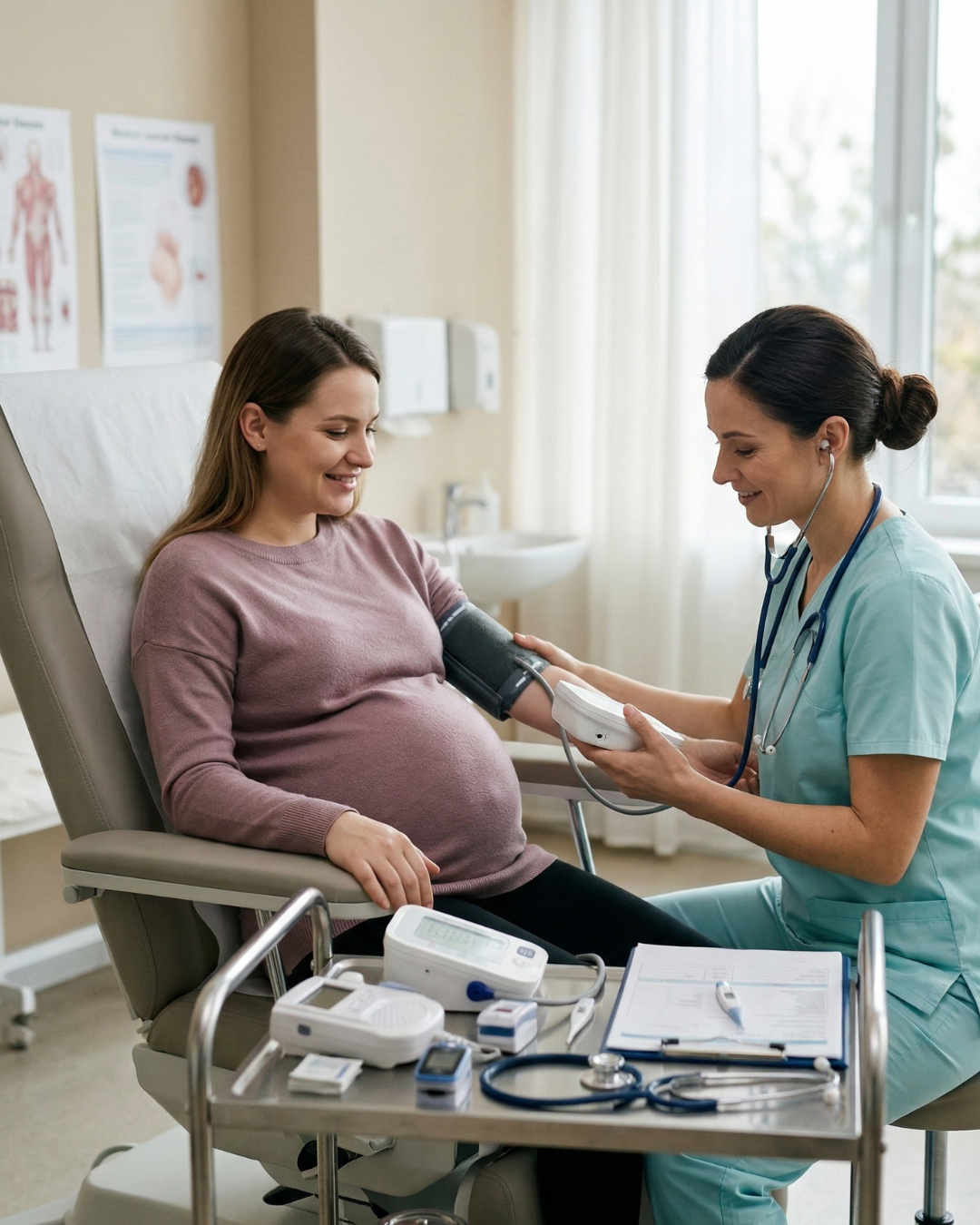
People with PCOS may have a higher risk of certain pregnancy complications, including gestational diabetes and hypertensive disorders. Preconception advice and appropriate antenatal monitoring can help address individual risks.
Treatment choices differ when someone is trying to conceive. Some medicines used to manage periods or acne are not suitable during pregnancy or while attempting conception, so tell your clinician about your plans before starting or changing medication.
Lifestyle and Daily Management
Healthy habits can support metabolic health, energy levels and general wellbeing in people with PCOS. There is no single PCOS diet that works for everyone, and restrictive diets or unproven supplements are not necessary for all patients.
Helpful strategies may include:
- Choose balanced meals with vegetables, fibre-rich foods, protein sources and suitable portions of carbohydrates and fats.
- Aim for regular physical activity that fits your ability, preferences and schedule.
- Maintain a consistent sleep routine and seek help for persistent sleep problems.
- Attend recommended checks for blood pressure, glucose regulation and cholesterol.
- Discuss distress related to acne, hair growth, body image or mood with a healthcare professional.
Can PCOS Cause Long-Term Health Problems?
PCOS is associated with a higher likelihood of insulin resistance, type 2 diabetes, abnormal cholesterol levels and high blood pressure. The degree of risk varies from person to person and can be influenced by family history and other health factors.
People who have very infrequent periods or prolonged gaps between periods may also have an increased risk of excessive thickening of the uterine lining. A clinician can advise on appropriate cycle management and whether further assessment is needed.
Regular follow-up helps monitor symptoms and identify health concerns early. PCOS does not mean that a person will inevitably develop diabetes, infertility or another complication.
When Should You See a Gynaecologist?
Arrange an appointment if periods are persistently irregular, you have missed periods for several months, facial or body hair growth is increasing, or acne and scalp hair thinning are troublesome. Seek assessment if you have concerns about fertility or metabolic health.
Very heavy bleeding, fainting, severe pelvic pain or rapidly developing androgen-related symptoms warrant prompt medical assessment. If pregnancy is possible and you experience severe abdominal pain, dizziness or heavy bleeding, seek urgent care.
An individualised plan can help manage symptoms, protect long-term health and address reproductive goals without unnecessary testing or medication.
Resources
- Polycystic Ovary SyndromeWorld Health Organization
- Recommendations From the 2023 International Evidence-based Guideline for the Assessment and Management of Polycystic Ovary SyndromeMonash University and international PCOS guideline partners
- Polycystic Ovary Syndrome (PCOS)National Health Service (NHS)
Common questions
Can PCOS be cured permanently?
There is currently no single permanent cure for PCOS, but its symptoms and associated health risks can often be managed effectively. Treatment may change over time according to menstrual symptoms, metabolic health and pregnancy plans.
Can I get pregnant naturally if I have PCOS?
Yes. Many people with PCOS conceive naturally. Irregular ovulation can make conception less predictable, and fertility treatment may be helpful for some. A clinician can assess your individual circumstances if you are trying to conceive.
Does everyone with PCOS have ovarian cysts?
No. Despite its name, PCOS does not require ovarian cysts to be present. The small structures sometimes seen on ultrasound are generally follicles, and an ultrasound alone is not sufficient to diagnose PCOS.
What are the first signs of PCOS?
Common signs include irregular or missed periods, acne, increased facial or body hair, scalp hair thinning and difficulty conceiving. Symptoms vary, and other conditions can cause similar changes, so medical assessment is important.
Can PCOS cause weight gain?
Some people with PCOS experience weight gain or difficulty managing weight, and insulin resistance can contribute to metabolic changes. However, PCOS occurs at different body sizes, and weight alone neither confirms nor excludes the condition.
Which diet is suitable for PCOS?
There is no single diet proven suitable for everyone with PCOS. A sustainable, balanced eating pattern that supports energy needs, adequate nutrition and metabolic health is a reasonable starting point. A qualified clinician or dietitian can help tailor advice.
When should I consult a doctor about irregular periods?
Consult a healthcare professional if irregular periods persist, you miss periods for several months, bleeding is unusually heavy, or you have symptoms such as increasing facial hair or difficulty conceiving. Severe pain, fainting or heavy bleeding may require urgent care.