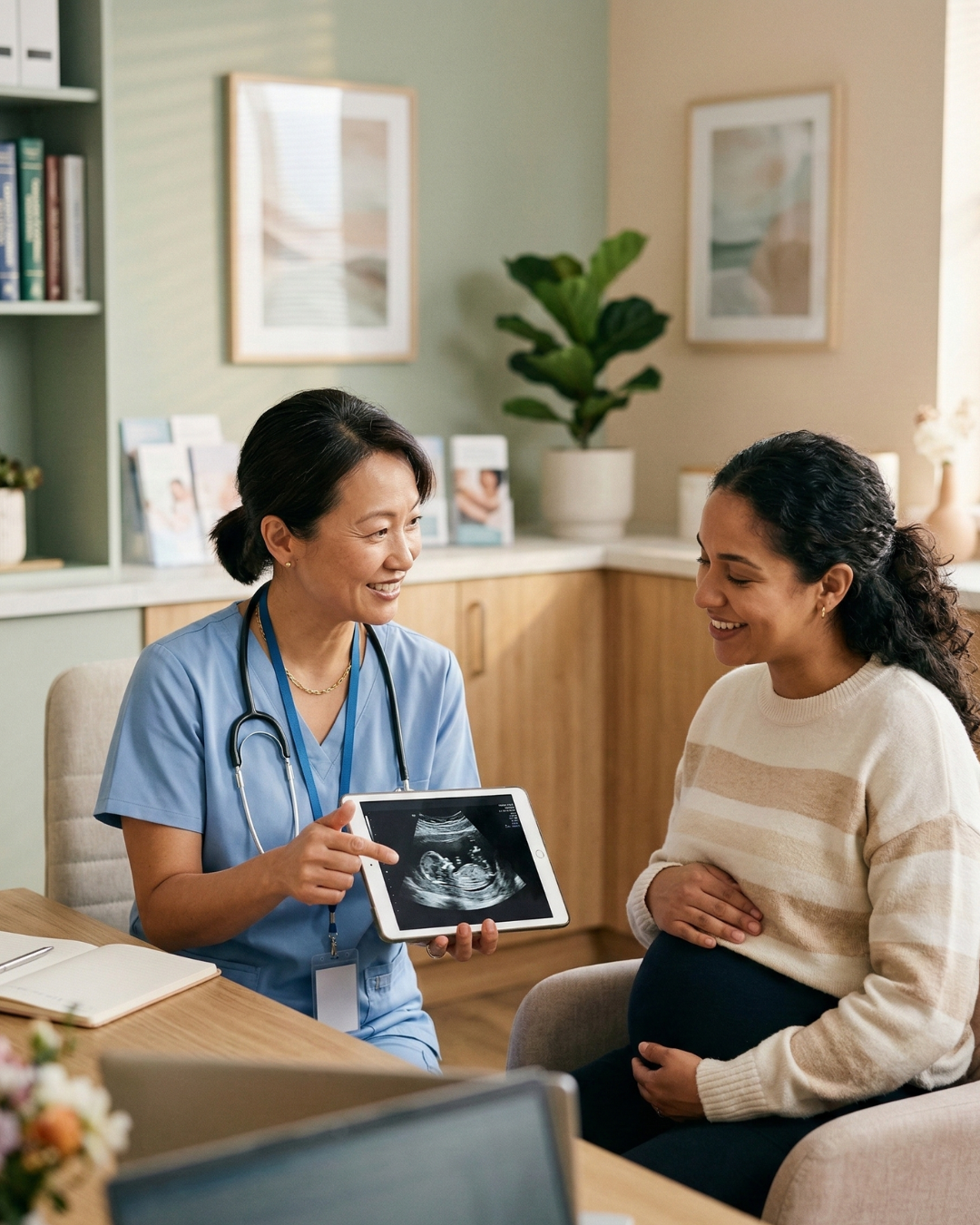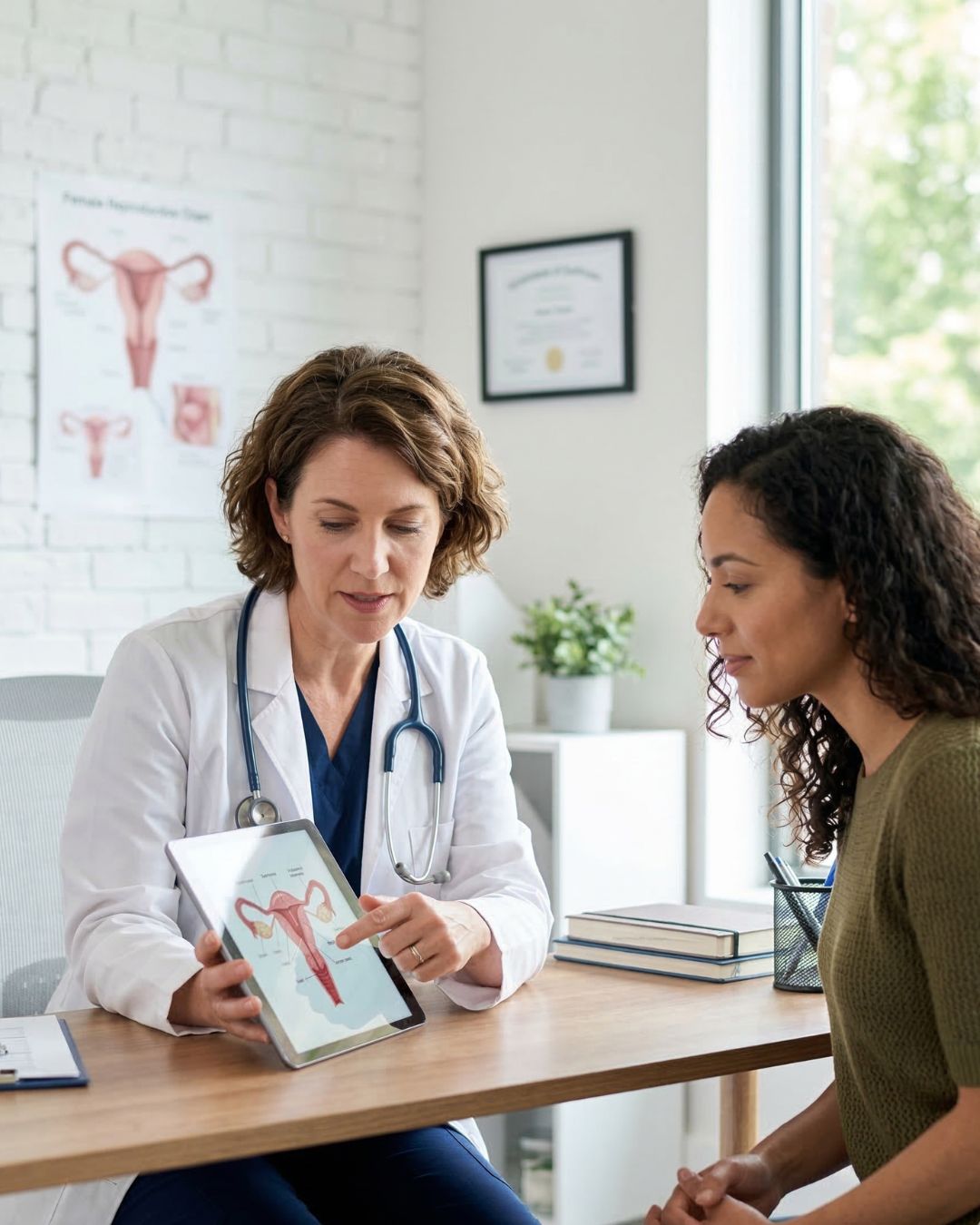
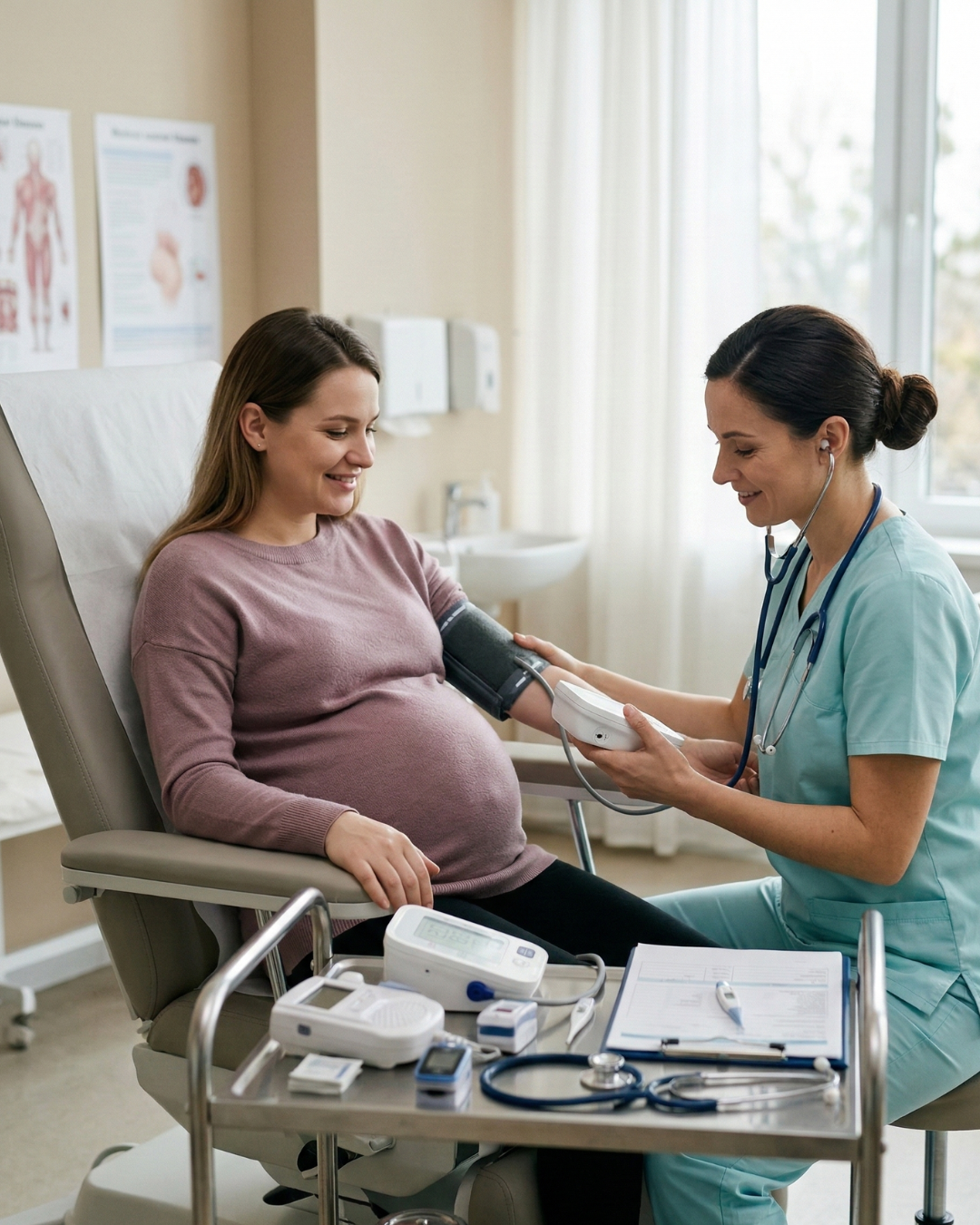
C-section recovery time is usually measured in weeks, not days. Most women start walking gently within the first day, feel better over the first 2 weeks and need around 6 weeks before heavier activity feels safe. Healing is not the same for every mother. Pain, bleeding, breastfeeding, sleep, baby care and the reason for surgery all affect recovery.
How long does C-section recovery take?
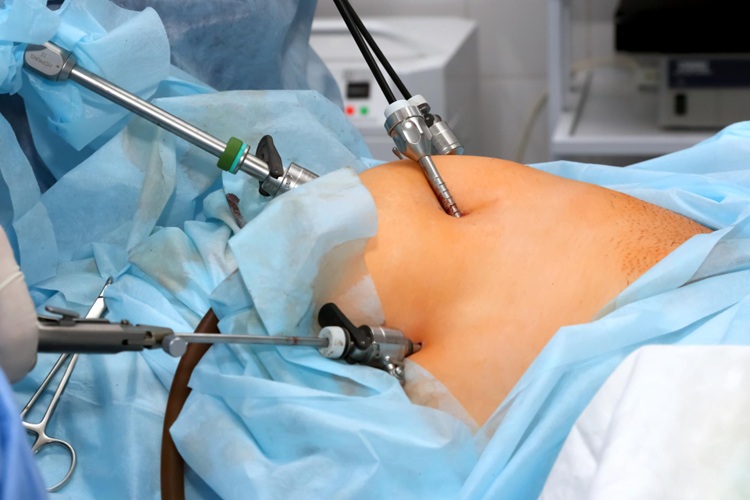
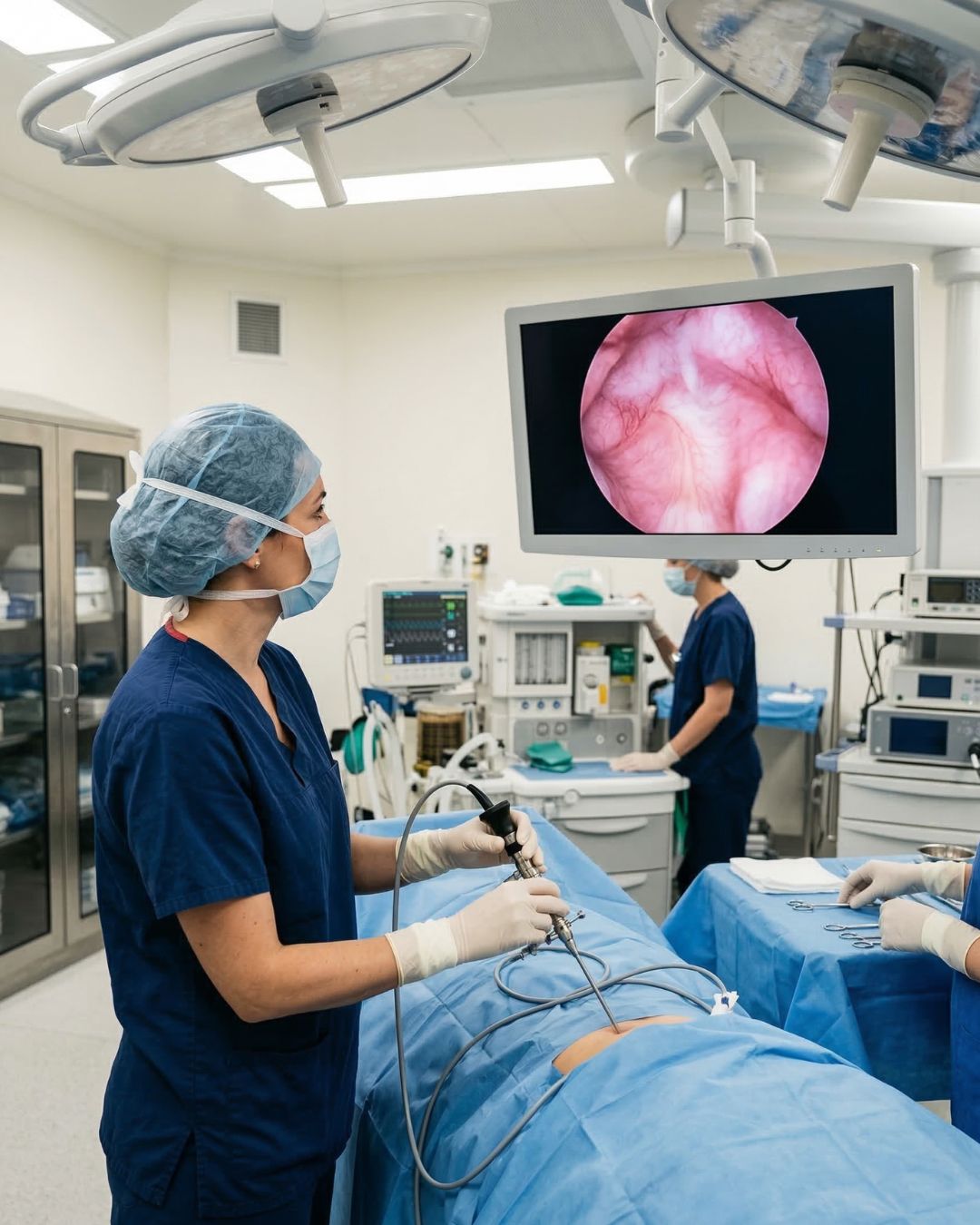
A C-section, also called cesarean delivery, is surgery to deliver the baby through cuts in the abdomen and uterus. Because deeper tissues need time to heal, recovery usually takes longer than vaginal birth recovery.
Many mothers can do light daily activities within a few days, but heavy work, formal exercise, driving and sexual activity should wait until you feel physically ready and your doctor has cleared you. If you had emergency surgery, heavy bleeding, high blood pressure, diabetes, infection or a premature baby, your recovery plan may need closer follow-up.
First 24 hours after C-section
The first day is about pain control, bleeding checks, bladder recovery, feeding support and safe movement. Nurses usually help you sit, stand and take a few steps once the effect of anesthesia has reduced.
This early walking is not for fitness. It helps circulation, lowers clot risk and supports bowel movement. Move slowly. Hold your abdomen with a pillow when coughing, laughing or getting up from bed.
Week 1: pain, walking and wound care
During the first week, the goal is gentle movement, rest, hydration, regular medicines if advised and keeping the wound clean and dry. You may be able to hold and feed your baby, but avoid lifting anything heavier than the baby.
Some women feel emotionally surprised by how slow recovery feels. That is normal. A C-section is major abdominal surgery and newborn care starts at the same time. Good recovery is not about doing more. It is about doing the right amount safely.
Weeks 2 to 3: feeling better but still healing
By the second or third week, many mothers walk more comfortably and need fewer pain medicines. The outside scar may look better, but deeper healing is still going on.
This is the phase where many women overdo activity because pain has reduced. Avoid sudden bending, heavy household work, lifting older children, intense stairs and long standing. If pain increases after activity, your body is asking you to slow down.
Weeks 4 to 6: returning to routine
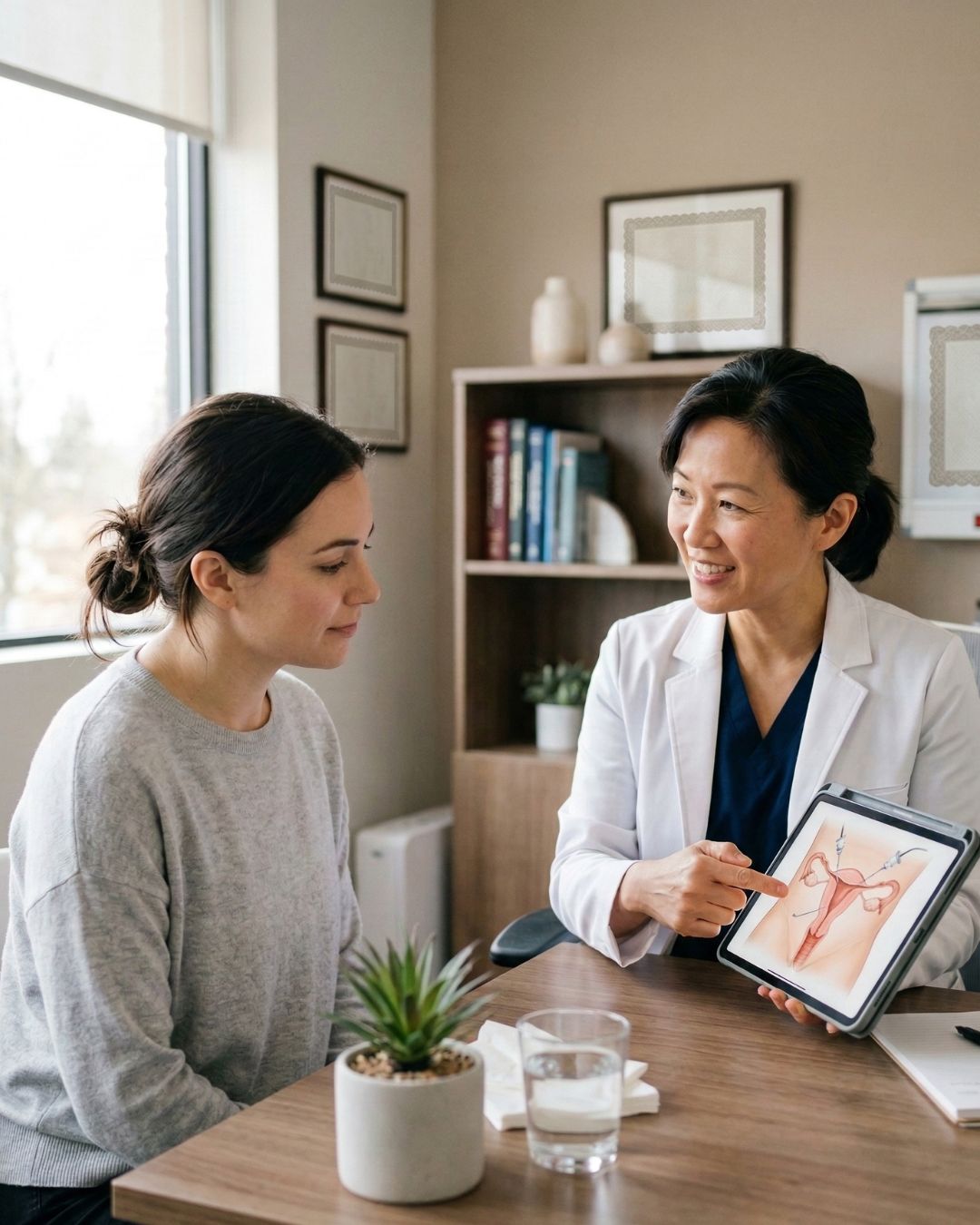
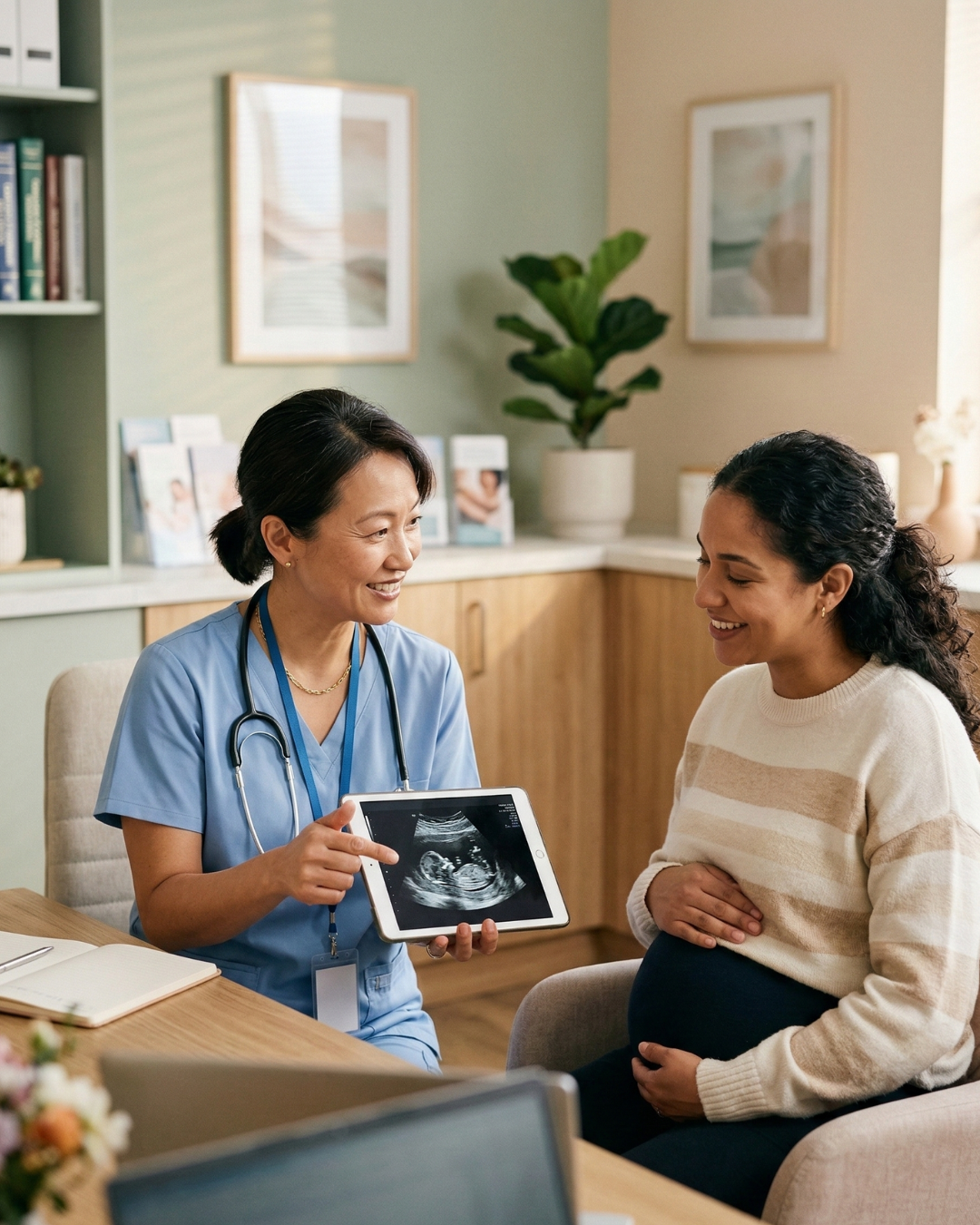
Around 4 to 6 weeks, many women are ready for a postpartum review. Your gynecologist and obstetrician will check scar healing, bleeding, pain, mood, breastfeeding issues, contraception, blood pressure if needed and future pregnancy advice.
Do not treat the 6-week visit as a race deadline. Some women recover sooner. Some need more time. If your birth involved high-risk pregnancy complications, infection, anemia, high BP, gestational diabetes or emergency surgery, follow-up may need to be more detailed.
When can you walk after C-section?
Gentle walking usually starts in the hospital once you are stable and sensation has returned after anesthesia. At home, short walks inside the house are better than long walks outside too early.
Increase walking gradually. Stop if you feel dizziness, heavy bleeding, breathlessness, sharp pain, wound pulling or unusual pressure. Walking should help recovery, not exhaust you.
C-section stitches and scar healing
Your wound may be closed with dissolvable stitches, stitches that need removal, staples or skin glue, depending on the case. Follow the instructions given at discharge. Keep the area clean and dry, wear loose cotton clothing and avoid rubbing the scar.
Mild numbness, tightness and itching can happen as nerves heal. Redness, swelling, pus, foul smell, wound opening or fever are not normal and should be checked quickly.
Breastfeeding after C-section
You can breastfeed after a C-section. Many mothers need help with comfortable positions in the first few days. Side-lying feeding or football hold can reduce pressure on the incision.
Pain, tiredness and delayed mobility can make feeding harder at first. Ask for lactation support early. At Raheja Clinic, Dr Tripti Raheja also guides mothers on post-delivery recovery, breastfeeding concerns and postpartum warning signs.
When should you call the doctor?
Do not wait for the routine visit if something feels wrong. C-section recovery is usually steady. Sudden worsening needs medical advice.
How to make recovery smoother at home
The most useful recovery plan is practical. Arrange help before delivery if the C-section is planned. Keep medicines, water, baby supplies and feeding support within reach. Eat protein-rich meals, drink fluids and avoid constipation.
If you are looking for the best gynecologist for delivery or postpartum care in Delhi, choose someone who explains what to expect after birth, not only what happens during delivery. Recovery guidance is part of good obstetric care.
Future pregnancy after C-section
A previous C-section does not always mean every future birth must be a C-section. Some women may be candidates for vaginal birth after cesarean, while others may need a planned repeat C-section. The decision depends on the type of uterine incision, reason for previous surgery, number of C-sections, pregnancy health and hospital support.
Dr Tripti Raheja can help you review your previous operative notes, healing, current health and future pregnancy goals. This is especially important if your first delivery involved high-risk pregnancy care.
Resources
Common questions
How long does C-section recovery take?
Most women need around 6 weeks for basic recovery, but complete internal healing takes longer. Recovery may take more time after emergency surgery, infection, anemia, high blood pressure, diabetes or difficult delivery.
When can I start walking after a C-section?
Gentle walking usually starts in the hospital once you are stable and the anesthesia effect has reduced. At home, begin with short walks and increase slowly. Stop if pain, dizziness, breathlessness or heavy bleeding starts.
When can I climb stairs after C-section?
Many women can climb a few stairs slowly after coming home, but repeated stairs should be limited in the first days. Use support, move slowly and avoid carrying weight while climbing.
When can I drive after C-section?
Driving should wait until you can sit comfortably, twist, brake suddenly and move without pain. Many women wait around 4 to 6 weeks, but your doctor should guide you based on your recovery.
How long does C-section bleeding last?
Vaginal bleeding can continue for several weeks after C-section, similar to postpartum bleeding after vaginal birth. Heavy bleeding, large clots, foul smell or dizziness should be checked quickly.
When do C-section stitches heal?
The outer wound often starts sealing within days, but deeper tissue healing takes weeks. Follow your discharge instructions for dressing, bathing and stitch or staple removal if needed.
Can I breastfeed after C-section?
Yes. Breastfeeding can usually start soon after delivery if you and the baby are stable. Side-lying or football hold positions may feel more comfortable because they reduce pressure on the incision.
What should I avoid after C-section?
Avoid heavy lifting, intense exercise, sudden bending, abdominal strain and sex until you feel recovered and your doctor clears you. Do not ignore fever, wound discharge, leg swelling, breathlessness, severe headache or heavy bleeding.
Is pain normal 2 weeks after C-section?
Some soreness, tightness or pulling can still happen at 2 weeks. Pain should gradually improve. Worsening pain, fever, wound redness or discharge needs medical review.
Do I need a postpartum check after C-section?
Yes. A postpartum check helps review scar healing, bleeding, pain, mood, breastfeeding, contraception and future pregnancy planning. If you had a high-risk pregnancy, your follow-up may need to happen earlier or more often.