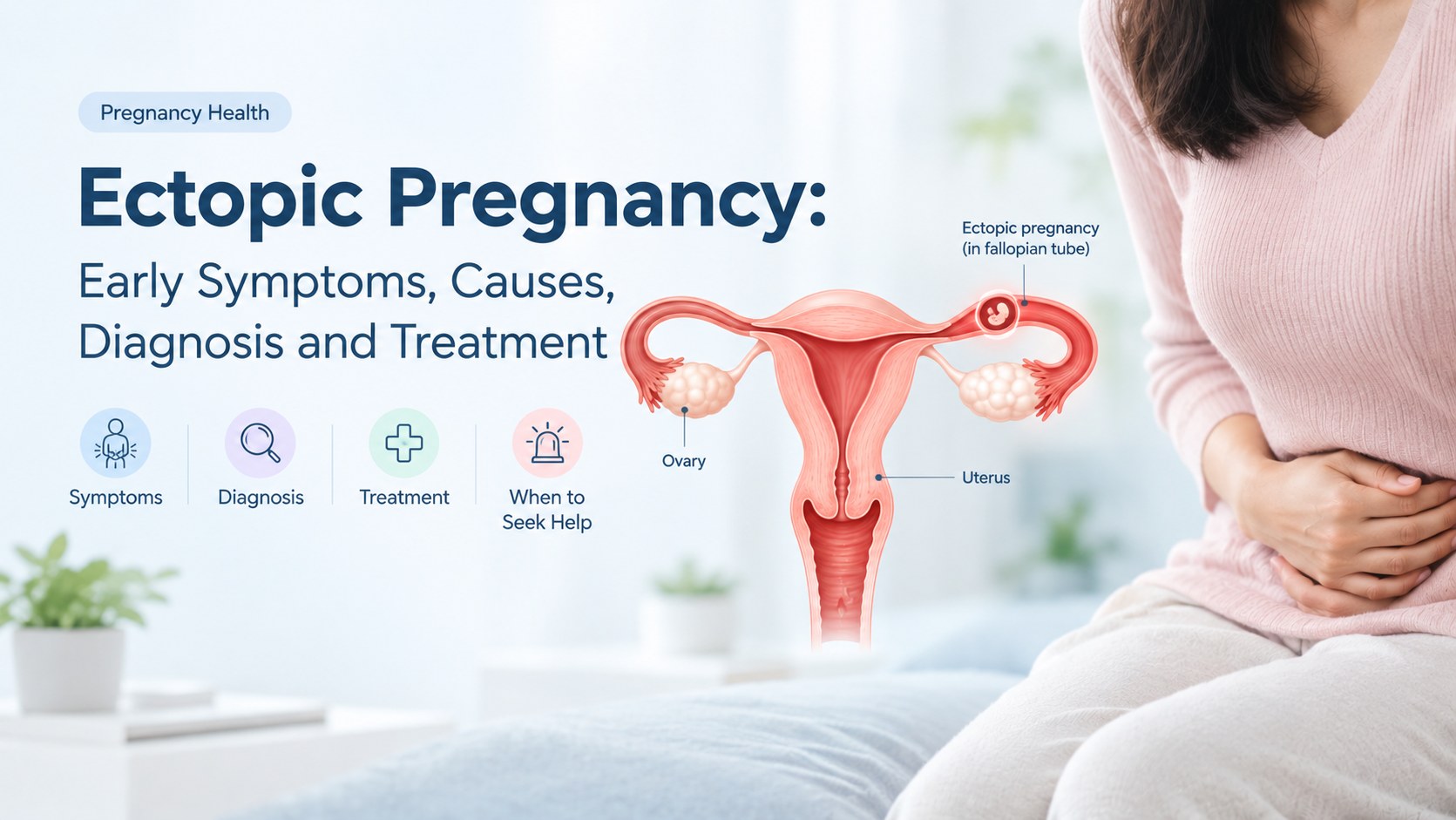
An ectopic pregnancy occurs when a fertilised egg implants outside the main cavity of the uterus. Most ectopic pregnancies develop in a fallopian tube, which connects an ovary to the uterus. Because the pregnancy cannot develop normally in this location, it can cause serious internal bleeding if the affected structure ruptures. Early symptoms may resemble those of a normal early pregnancy or miscarriage, so prompt medical assessment is important when pregnancy is accompanied by abdominal pain or bleeding. Understanding the warning signs and available treatments can help people seek appropriate care without delay.
What Is an Ectopic Pregnancy?
In a typical pregnancy, a fertilised egg travels through a fallopian tube and implants in the lining of the uterus. In an ectopic pregnancy, implantation occurs outside the main uterine cavity.
Most ectopic pregnancies occur in a fallopian tube. Less commonly, implantation may occur in an ovary, the cervix, a previous caesarean-section scar or elsewhere in the abdomen.
An ectopic pregnancy cannot be moved into the uterus or develop into a normal birth. Treatment aims to protect the pregnant person's health and prevent complications such as rupture and internal bleeding.
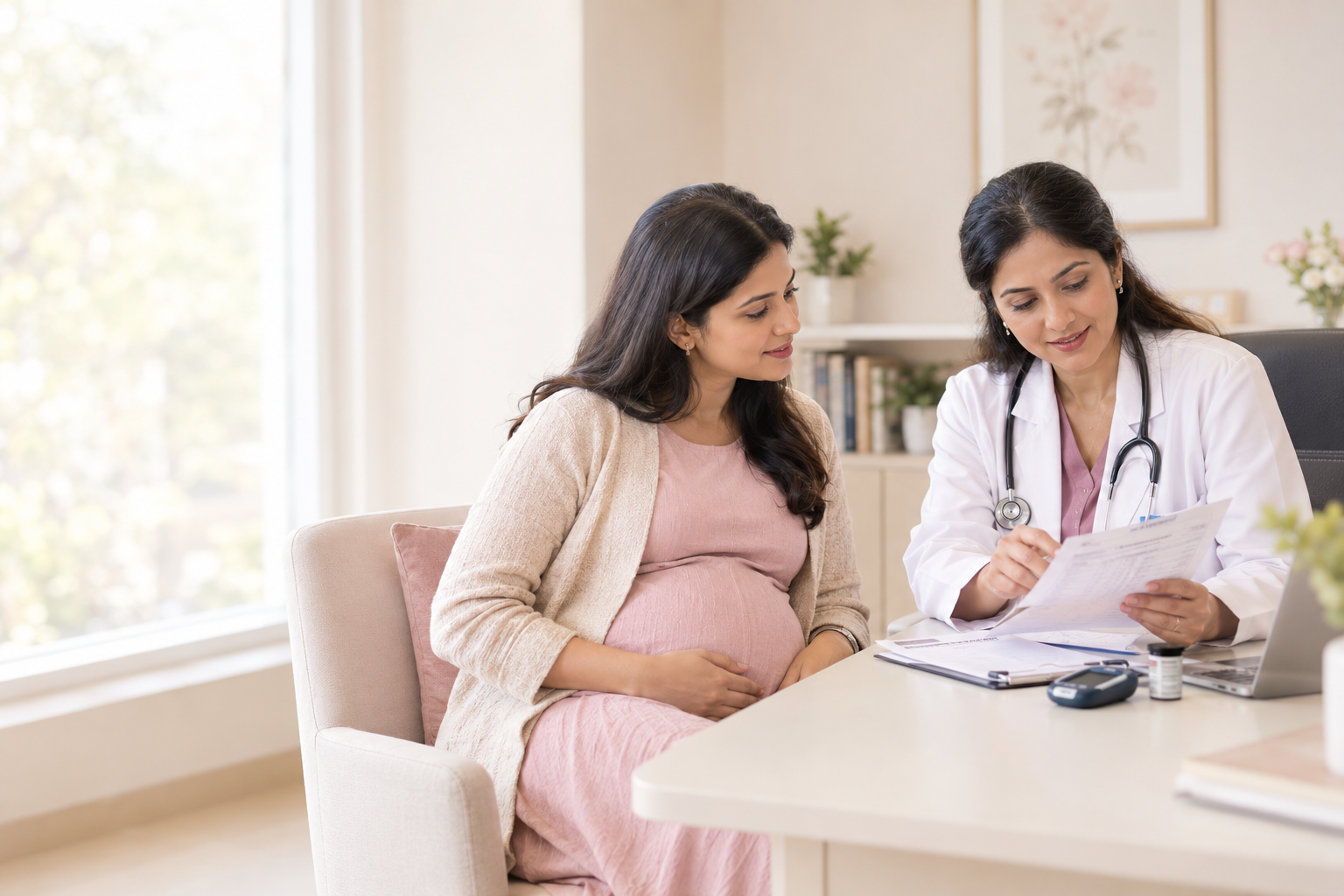
Not every person with an ectopic pregnancy has obvious symptoms at first. Anyone who may be pregnant and develops concerning pain, bleeding or dizziness should seek medical assessment.
Early Symptoms of Ectopic Pregnancy
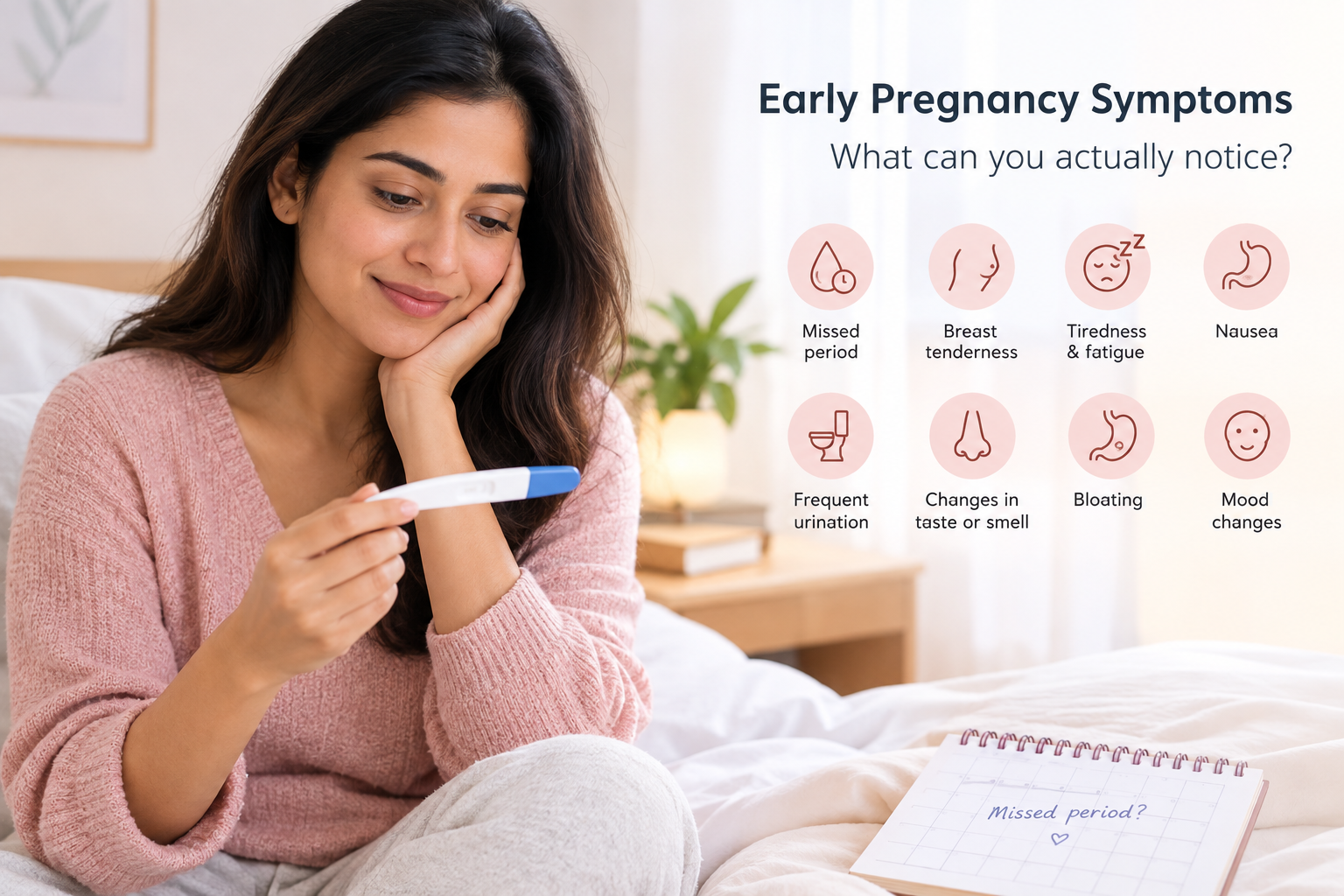
Symptoms often appear during the early weeks of pregnancy, but the timing and severity can vary. Some people initially experience symptoms similar to an ordinary pregnancy.
- Lower abdominal or pelvic pain, which may be more noticeable on one side.
- Vaginal bleeding or spotting that differs from a usual period.
- A missed period or a positive pregnancy test.
- Shoulder-tip pain, particularly when accompanied by abdominal pain or dizziness, which can indicate internal bleeding.
- Pain or pressure in the rectum, sometimes with discomfort during bowel movements.
- Weakness, light-headedness or dizziness, which may indicate significant blood loss in a serious case.
Emergency Warning Signs: When to Get Help Immediately
A ruptured ectopic pregnancy is a medical emergency. Internal bleeding can become life-threatening, and symptoms may worsen rapidly.
Call local emergency services or go to the nearest emergency department immediately if a possible or confirmed pregnancy is accompanied by severe or sudden abdominal pain, shoulder-tip pain, fainting, marked dizziness, collapse or heavy bleeding.
Do not wait for another pregnancy test or a scheduled appointment if these warning signs occur. A home pregnancy test cannot determine where a pregnancy is located, and emergency assessment should not be delayed while waiting for a result.
What Causes an Ectopic Pregnancy?
An ectopic pregnancy may develop when the fertilised egg does not travel normally to the uterus or when conditions affect implantation. In many cases, the exact cause cannot be identified.
Factors associated with a higher risk include:
- Previous ectopic pregnancy.
- Previous surgery involving the fallopian tubes or damage to the tubes.
- Past pelvic inflammatory disease or certain sexually transmitted infections that may have affected the fallopian tubes.
- Fertility treatment, including assisted reproductive techniques.
- Pregnancy occurring with an intrauterine contraceptive device in place. Pregnancy is uncommon with an IUD, but if it occurs, prompt assessment is important to determine its location.
- Smoking, which is associated with an increased risk.
Can an Ectopic Pregnancy Occur Without Risk Factors?
Yes. An ectopic pregnancy can occur in someone who has no known risk factors and has never experienced a pregnancy complication before.
Having one or more risk factors does not mean an ectopic pregnancy will definitely occur. Equally, the absence of risk factors does not rule it out.
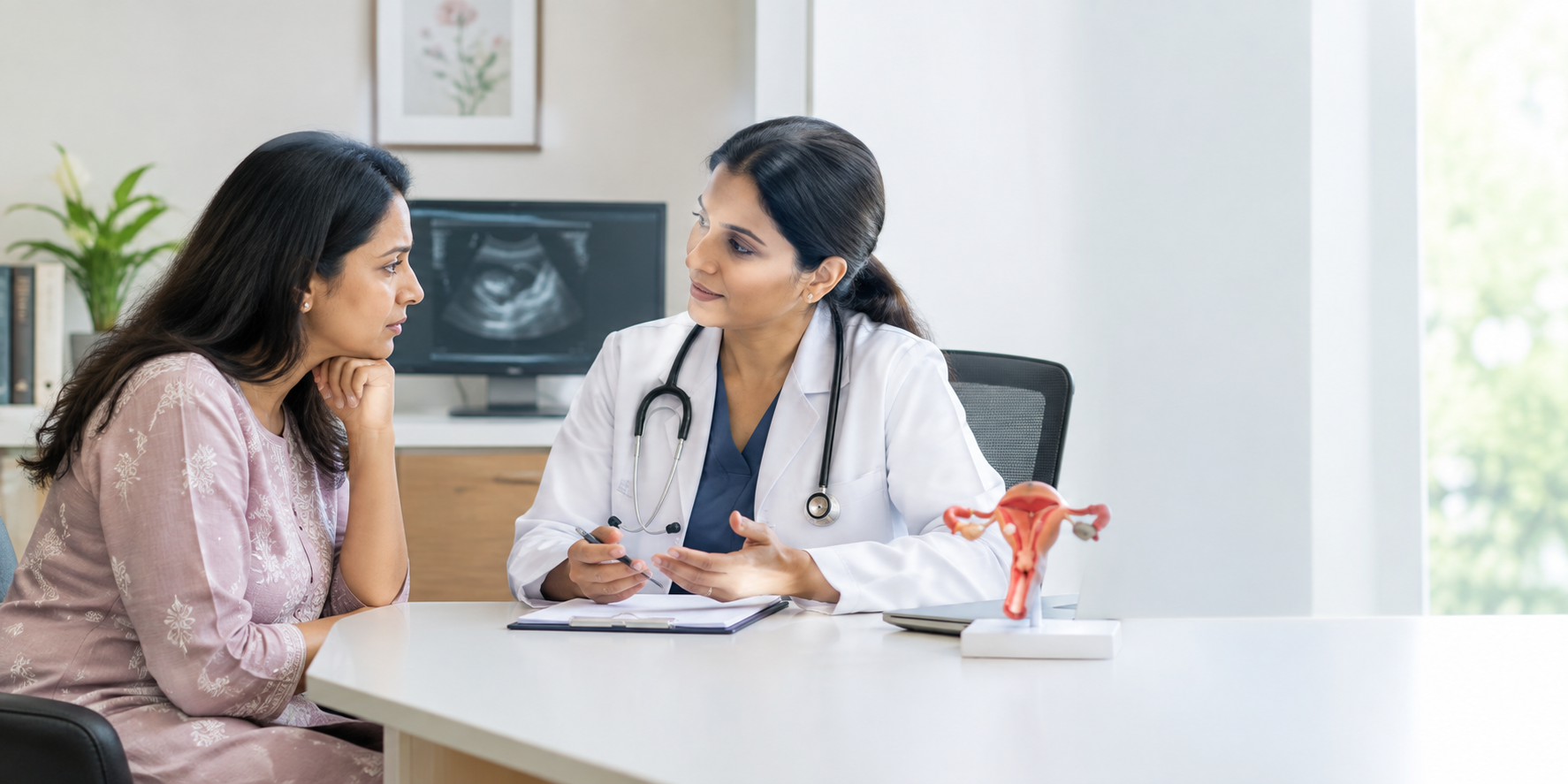
This is why symptoms and appropriate early-pregnancy assessment matter. People should not dismiss one-sided pelvic pain or unusual bleeding simply because they have no previous history of reproductive health problems.
How Is an Ectopic Pregnancy Diagnosed?
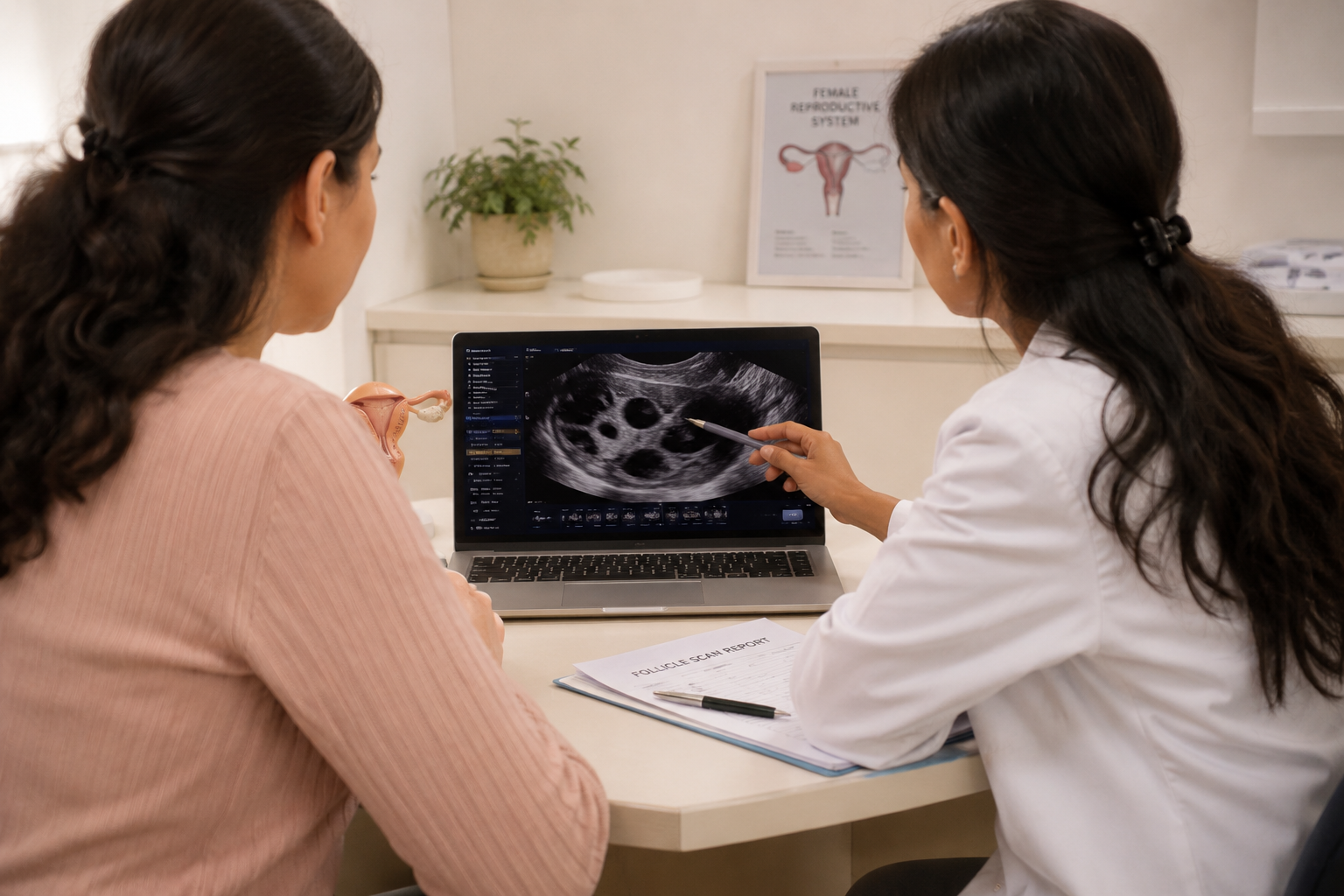
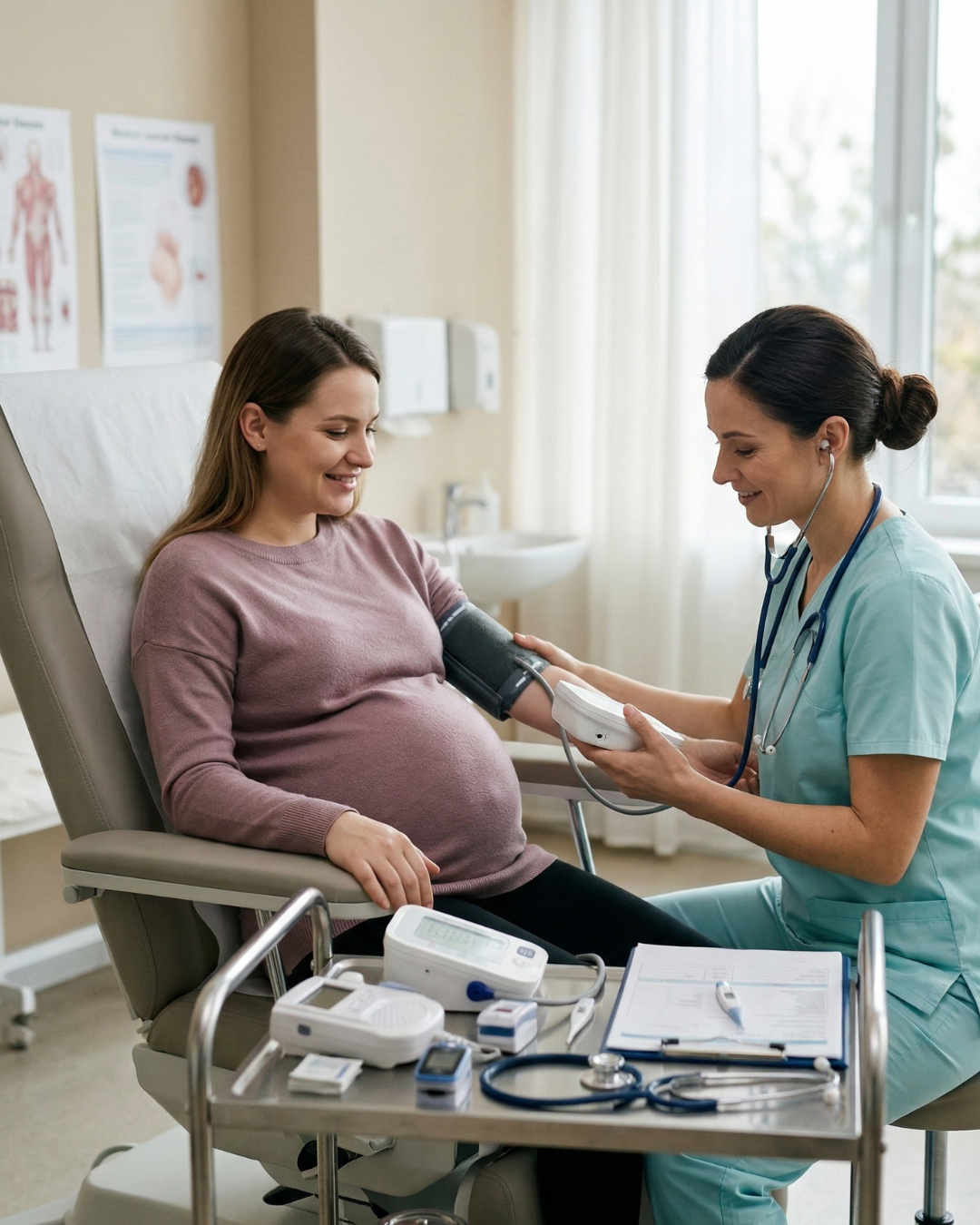
Diagnosis usually involves a clinical assessment, blood tests and ultrasound. The exact approach depends on symptoms, pregnancy timing and the findings available at the first visit.
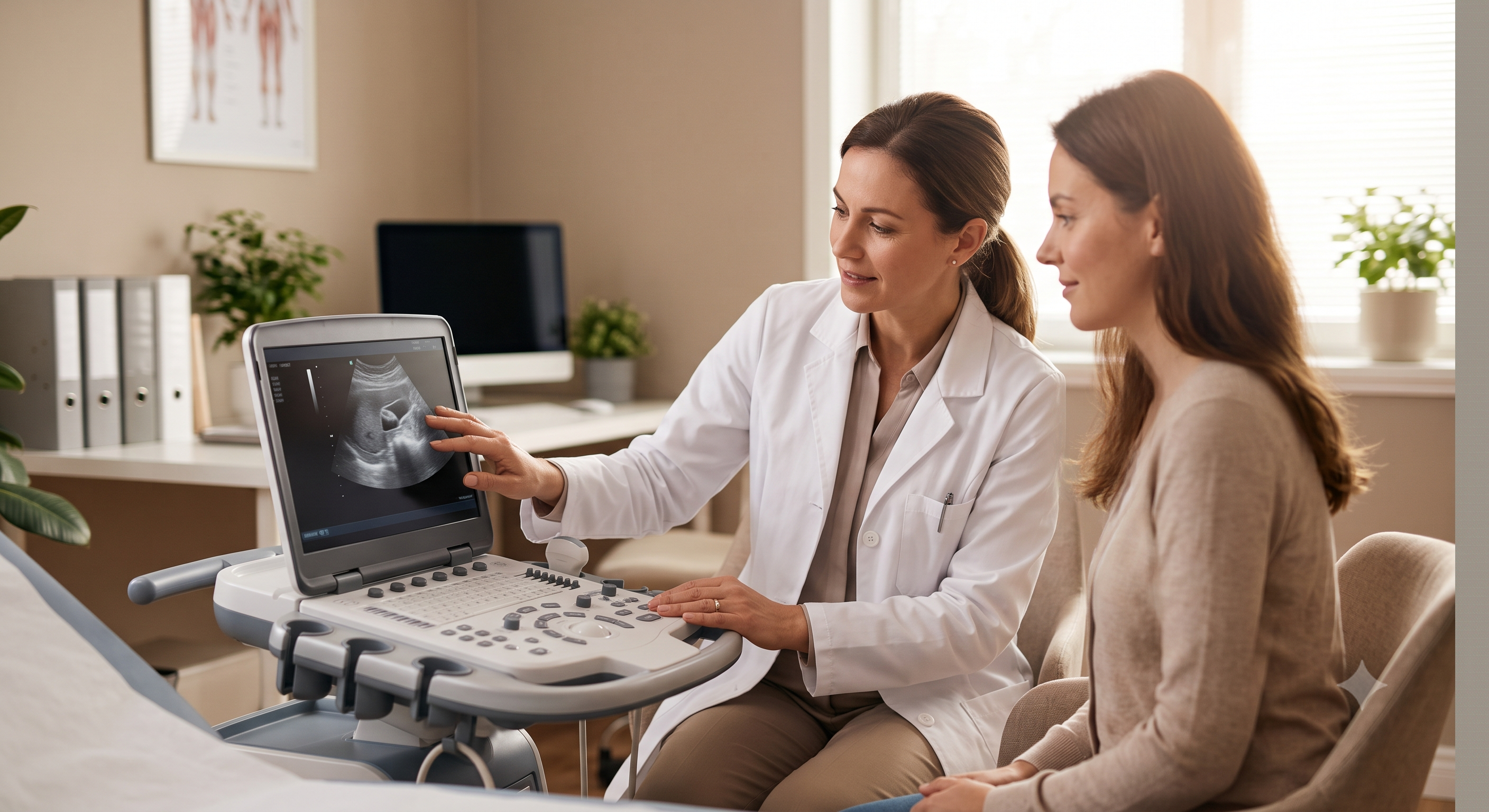
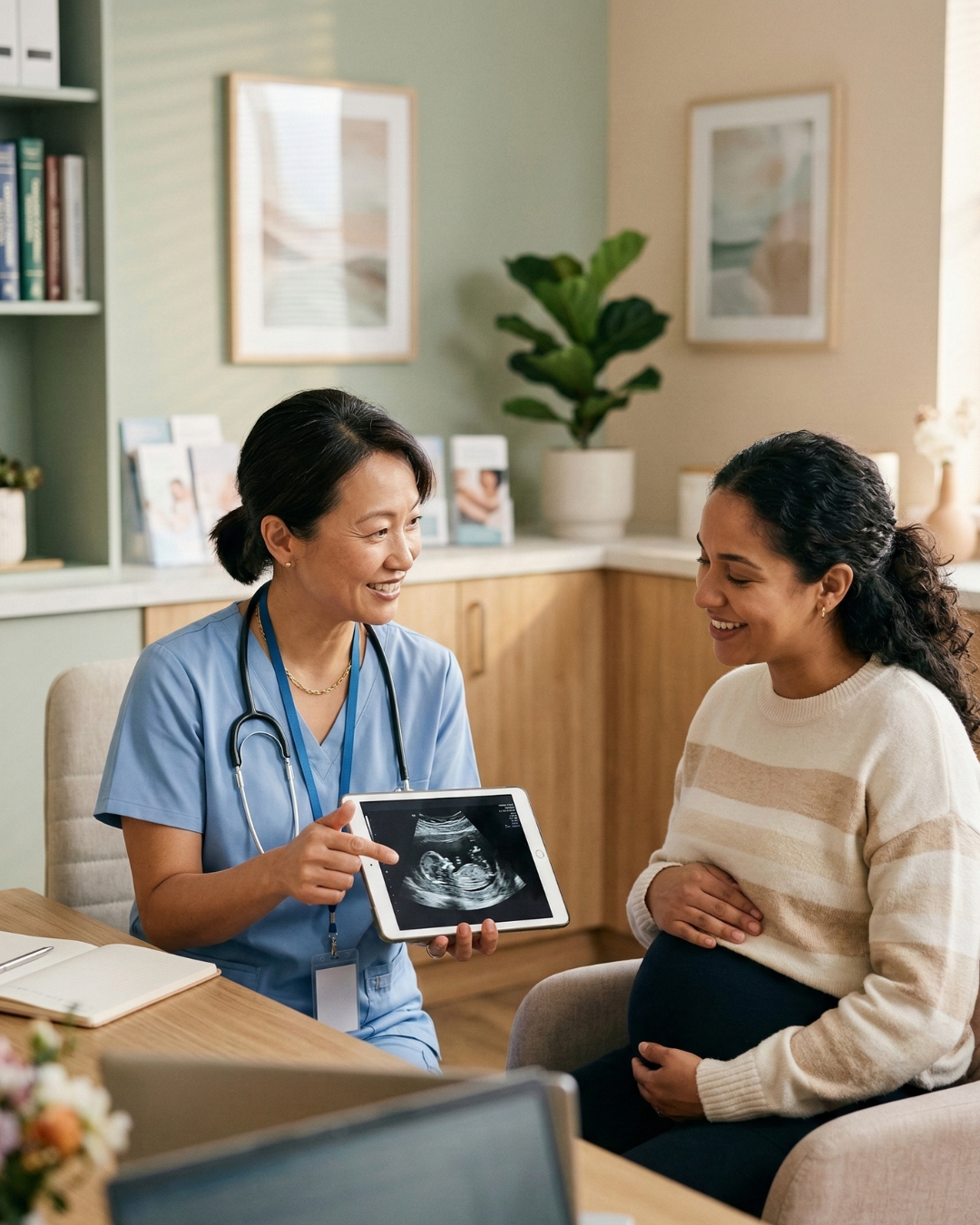
A transvaginal ultrasound uses a probe placed in the vagina to obtain detailed images of the uterus and surrounding structures. It can help determine whether a pregnancy is visible inside the uterus or whether there are findings that suggest an ectopic pregnancy.
Blood tests may measure human chorionic gonadotropin (hCG), a hormone produced during pregnancy. When the pregnancy location is not yet clear, repeat hCG measurements and follow-up ultrasound may help clinicians understand how the pregnancy is progressing.
A single hCG result or an ultrasound performed very early in pregnancy may not always establish the diagnosis. Clinicians interpret the results together with symptoms and may arrange close follow-up when it is safe to do so.
If there are signs of rupture or significant internal bleeding, emergency treatment takes priority over routine follow-up testing.
Treatment Options for Ectopic Pregnancy
An ectopic pregnancy cannot continue safely to birth. The treatment selected depends on the person's symptoms, ultrasound findings, hCG levels, evidence of internal bleeding and overall medical condition.
- Careful monitoring: In selected stable cases, when symptoms are minimal and test results suggest the pregnancy may resolve naturally, a specialist may recommend close observation with repeat blood tests and clear instructions about emergency symptoms.
- Medication: Methotrexate may be suitable for selected people with an unruptured ectopic pregnancy who meet clinical criteria. Follow-up blood tests are essential, and additional treatment may sometimes be needed. It is not suitable for every patient.
- Surgery: An operation may be required when the pregnancy has ruptured, internal bleeding is suspected, medication is unsuitable or other clinical findings make surgery the safer option.
- Emergency surgery: Significant bleeding or instability requires urgent treatment to control bleeding and manage the affected fallopian tube or other implantation site.
What Happens During Surgery?
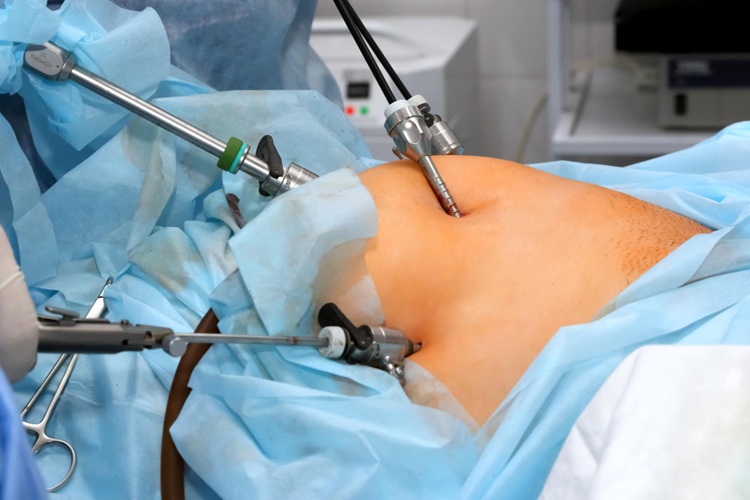
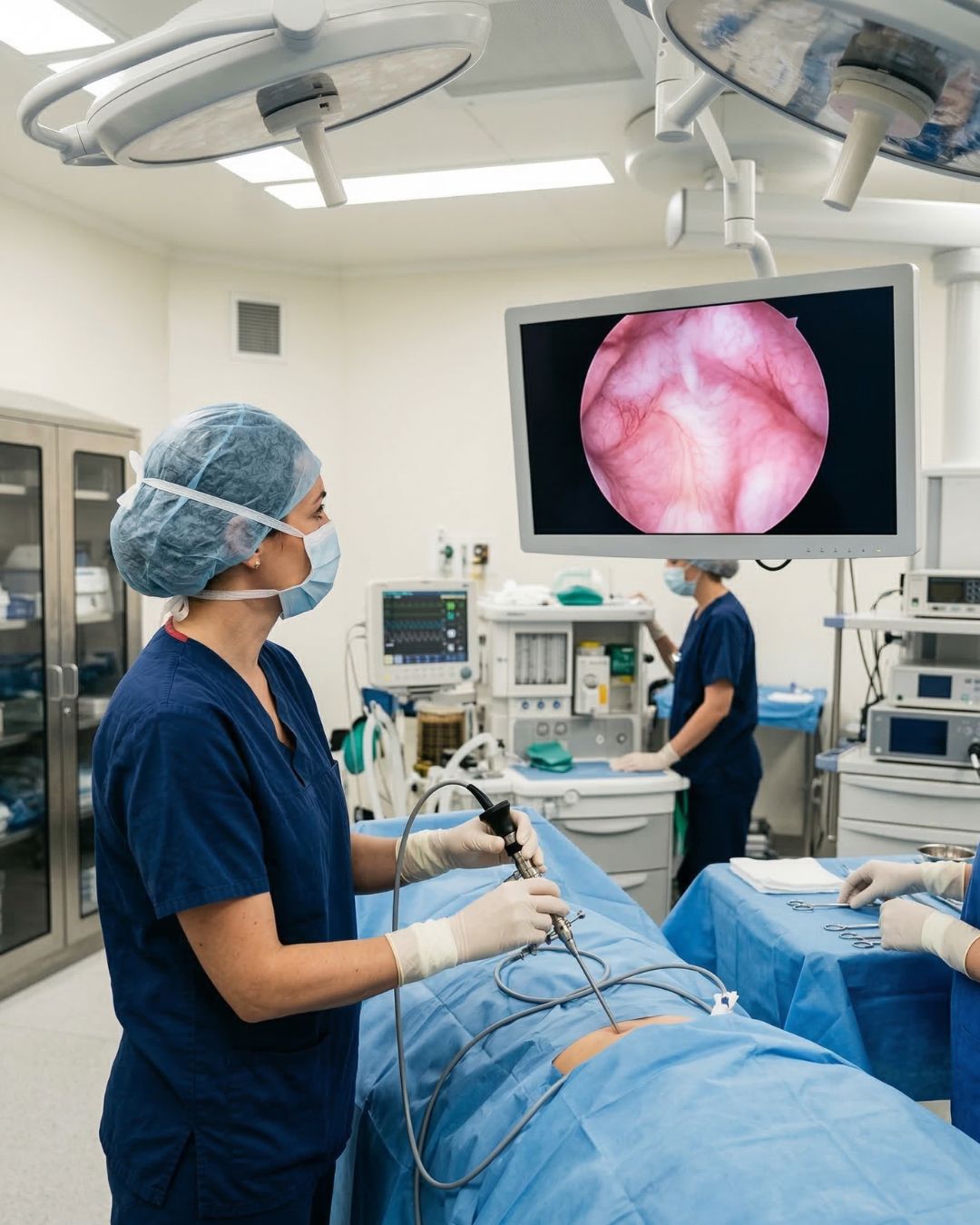
When surgery is necessary, it is often performed using laparoscopy, a minimally invasive technique involving small incisions and a camera. In emergencies or when laparoscopy is unsuitable, a larger incision may be required.
Depending on the findings and the condition of the fallopian tube, the surgeon may remove the affected tube or, in selected circumstances, remove the pregnancy while preserving the tube. The appropriate procedure depends on bleeding, the extent of damage, the condition of the other tube and future fertility considerations.
After treatment, the medical team explains the required follow-up. Monitoring is important to confirm that the ectopic pregnancy has resolved completely, particularly after medication or a tube-preserving procedure.
Can You Get Pregnant After an Ectopic Pregnancy?
Many people can have a successful pregnancy after an ectopic pregnancy. Future fertility depends on factors such as the condition of the remaining fallopian tube, previous reproductive health problems, age and the treatment received.
A future pregnancy should be discussed with a gynecologist, who can advise on timing and any additional assessment that may be appropriate. Once pregnant again, early contact with a healthcare professional is important so that the pregnancy location can be confirmed at the appropriate time.
Having had an ectopic pregnancy increases the risk of another ectopic pregnancy, but recurrence is not inevitable. Seek prompt medical advice if a subsequent pregnancy is accompanied by pain, bleeding or dizziness.
How Long Does Recovery Take?
Recovery depends on whether treatment involved monitoring, medication or surgery, as well as the person's symptoms and general health. Physical recovery after surgery may take several weeks, while emotional recovery can take longer and varies from person to person.
Follow the treating clinician's instructions regarding activity, wound care, medicines, blood tests and follow-up appointments. After methotrexate, specific precautions and advice about avoiding pregnancy for the recommended period are important.
Grief, anxiety or mixed feelings after an ectopic pregnancy are understandable. Emotional support from a trusted person, counsellor or healthcare professional may help during recovery.
When Should You Consult a Gynecologist?
Arrange prompt medical assessment if you have a positive pregnancy test with abdominal or pelvic pain, unusual vaginal bleeding or symptoms that are not typical for you. An early pregnancy in which the location has not yet been confirmed may require repeat testing and clear follow-up instructions.
Seek emergency care for sudden or severe abdominal pain, shoulder-tip pain, fainting, significant dizziness, collapse or heavy bleeding. These symptoms can indicate internal bleeding and should never be managed at home.
Early diagnosis and appropriate treatment can reduce the risk of serious complications. If you are concerned about a possible ectopic pregnancy, it is safer to seek medical assessment rather than wait for symptoms to worsen.
Resources
Common questions
What are the first signs of an ectopic pregnancy?
Early signs may include one-sided lower abdominal or pelvic pain, vaginal spotting or bleeding and a missed period or positive pregnancy test. Some people initially have no clear symptoms. Pain or bleeding in early pregnancy should be medically assessed.
Can an ectopic pregnancy be detected by a home pregnancy test?
A home pregnancy test may be positive because an ectopic pregnancy can produce hCG. However, the test cannot show where the pregnancy is located. Ultrasound, blood tests and clinical assessment may be needed.
Can an ectopic pregnancy survive?
An ectopic pregnancy cannot develop into a normal birth and can cause life-threatening internal bleeding. Medical assessment and appropriate treatment are necessary to protect the pregnant person's health.
Is surgery always necessary for an ectopic pregnancy?
No. Selected stable cases may be managed with careful monitoring or medication under specialist supervision. Surgery is needed when the clinical situation requires it, including suspected rupture or significant bleeding.
Can I get pregnant again after an ectopic pregnancy?
Yes, many people have a successful pregnancy afterwards. Future fertility depends on individual circumstances, including the condition of the fallopian tubes and other reproductive health factors. Discuss future pregnancy planning with a gynecologist.
What does shoulder-tip pain mean in an ectopic pregnancy?
Shoulder-tip pain can occur when internal bleeding irritates the diaphragm. In someone who may be pregnant, particularly with abdominal pain, dizziness or bleeding, it is a warning sign that requires emergency medical assessment.
How is an ectopic pregnancy diagnosed?
Diagnosis may involve a transvaginal ultrasound, blood tests measuring hCG and repeat assessments when the pregnancy location is not initially clear. Symptoms and clinical findings help determine how urgently treatment is required.
When should I go to the emergency department for possible ectopic pregnancy?
Seek emergency care for sudden or severe abdominal pain, shoulder-tip pain, fainting, collapse, marked dizziness or heavy bleeding when pregnancy is possible or confirmed. Do not wait for another test or a scheduled appointment.