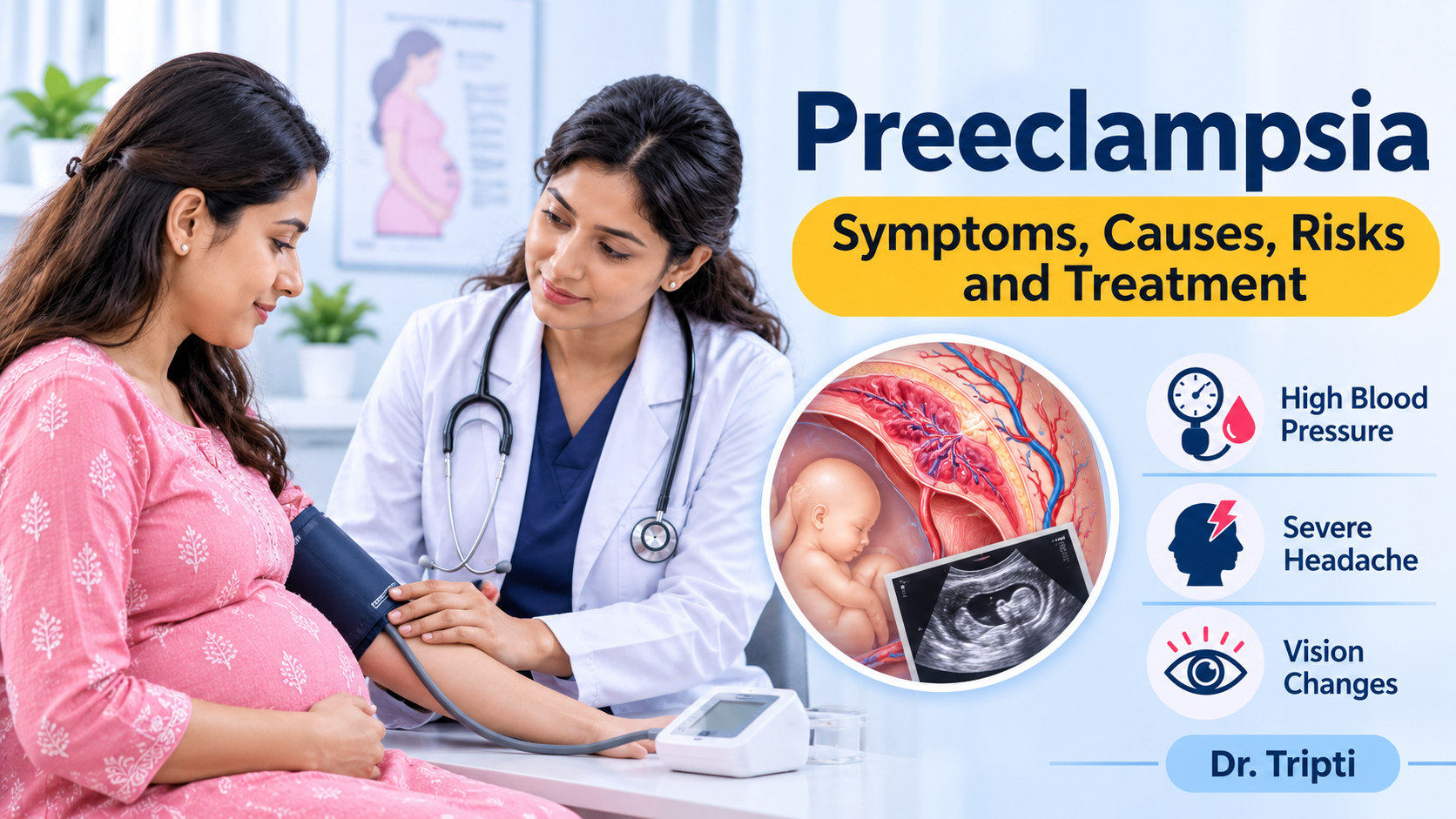
Preeclampsia is a pregnancy-related condition characterised by newly developed high blood pressure, usually after 20 weeks of pregnancy, along with signs that organs such as the kidneys or liver may be affected. It can develop without obvious symptoms, which is why regular antenatal check-ups, blood pressure measurement and recommended tests are important. With timely diagnosis, close monitoring and an individualised treatment plan, risks can be managed more safely. If you are pregnant and notice a persistent severe headache, changes in vision or pain in the upper abdomen, seek urgent medical assessment.
What Is Preeclampsia?
Preeclampsia is a hypertensive disorder of pregnancy that most often develops after the 20th week. It involves high blood pressure and may be accompanied by protein in the urine or other evidence of organ involvement, including changes in kidney function, liver function, platelet count or the nervous system.
It can also appear for the first time after childbirth, known as postpartum preeclampsia. Some women have few or no symptoms, while others can develop serious complications that require hospital care.
What Causes Preeclampsia?
The exact cause is not fully understood. Changes in the development and function of the placenta and the blood vessels that supply it are thought to play an important role.
Preeclampsia is not caused by something a pregnant woman has done or failed to do. It can occur even when a woman has followed recommended pregnancy care and has no known risk factors.
Risk Factors for Preeclampsia
Preeclampsia can affect any pregnancy, but certain medical and pregnancy-related factors are associated with a higher risk. Having one or more risk factors does not mean that the condition will definitely develop.
- Previous preeclampsia
- High blood pressure before pregnancy
- Kidney disease, diabetes or certain autoimmune conditions
- Multiple pregnancy, such as twins or triplets
- First pregnancy or a long interval since the previous pregnancy
- Family history of preeclampsia
- Obesity or other individual medical risk factors
Symptoms and Warning Signs
Preeclampsia may not cause noticeable symptoms in its early stages. This is one reason blood pressure and urine checks at antenatal appointments are essential. When symptoms occur, they may include:
- Severe or persistent headache, especially one that does not improve
- Blurred vision, flashing lights, spots or other changes in eyesight
- Pain in the upper abdomen, particularly beneath the ribs
- Sudden swelling of the face or hands
- Sudden or unusual weight gain over a short period
- Nausea or vomiting in the second half of pregnancy
- Shortness of breath or difficulty breathing
When Should You Seek Immediate Medical Help?
Contact your obstetrician or maternity unit immediately if you develop a persistent severe headache, visual disturbances, upper abdominal pain, sudden facial or hand swelling, or difficulty breathing. Do not wait for your next scheduled appointment.
A blood pressure reading of 160/110 mm Hg or higher is considered severely high in pregnancy and needs urgent medical assessment. Severe symptoms can indicate that the condition is worsening, even if you have not previously been diagnosed with preeclampsia.
How Is Preeclampsia Diagnosed?
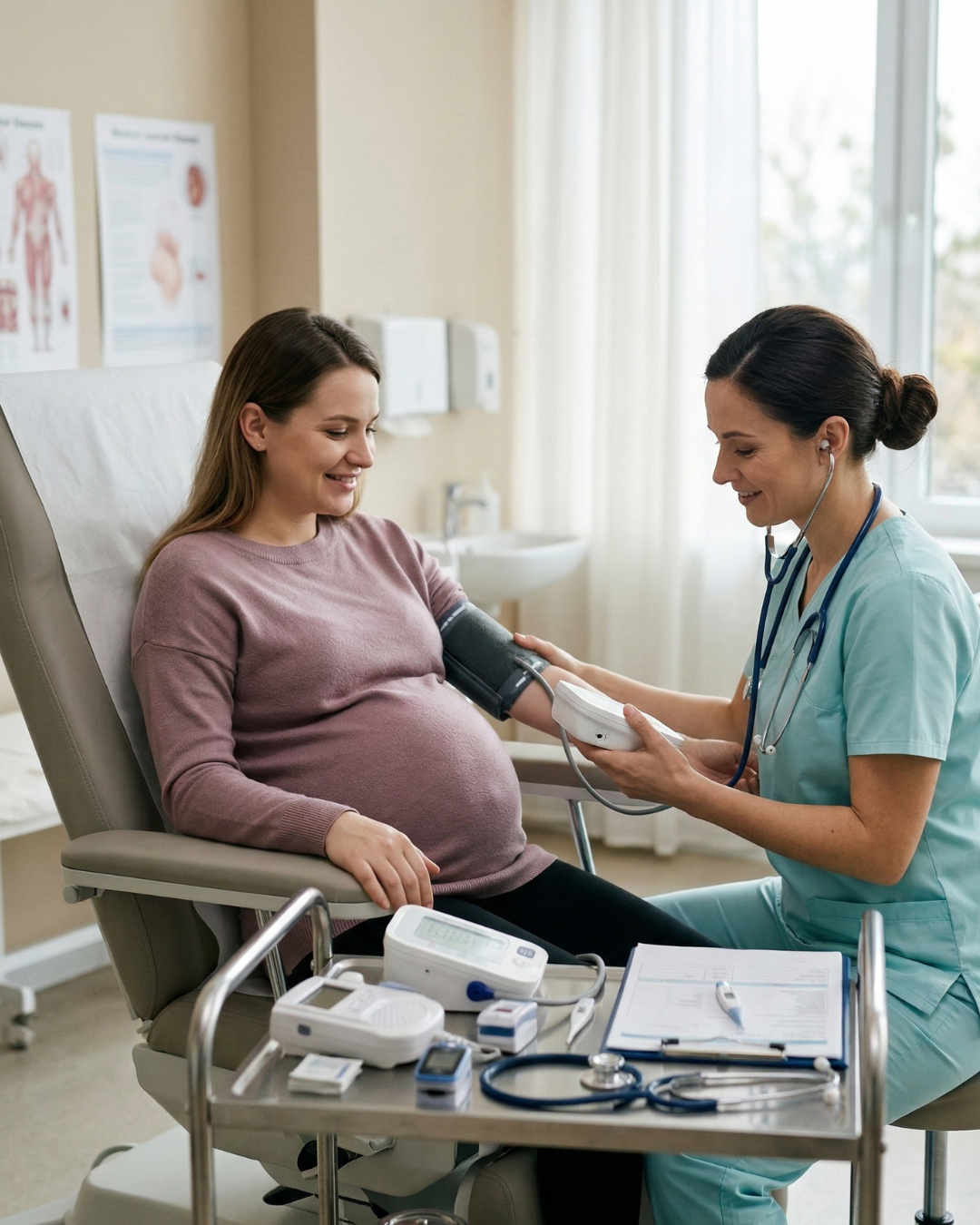
Diagnosis is based on blood pressure measurements after 20 weeks of pregnancy and an assessment for protein in the urine or other signs of organ involvement. Your doctor will interpret findings in the context of your pregnancy and medical history.
- Blood pressure measurement, with repeat readings when needed
- Urine testing for protein
- Blood tests to assess platelet count, liver function and kidney function
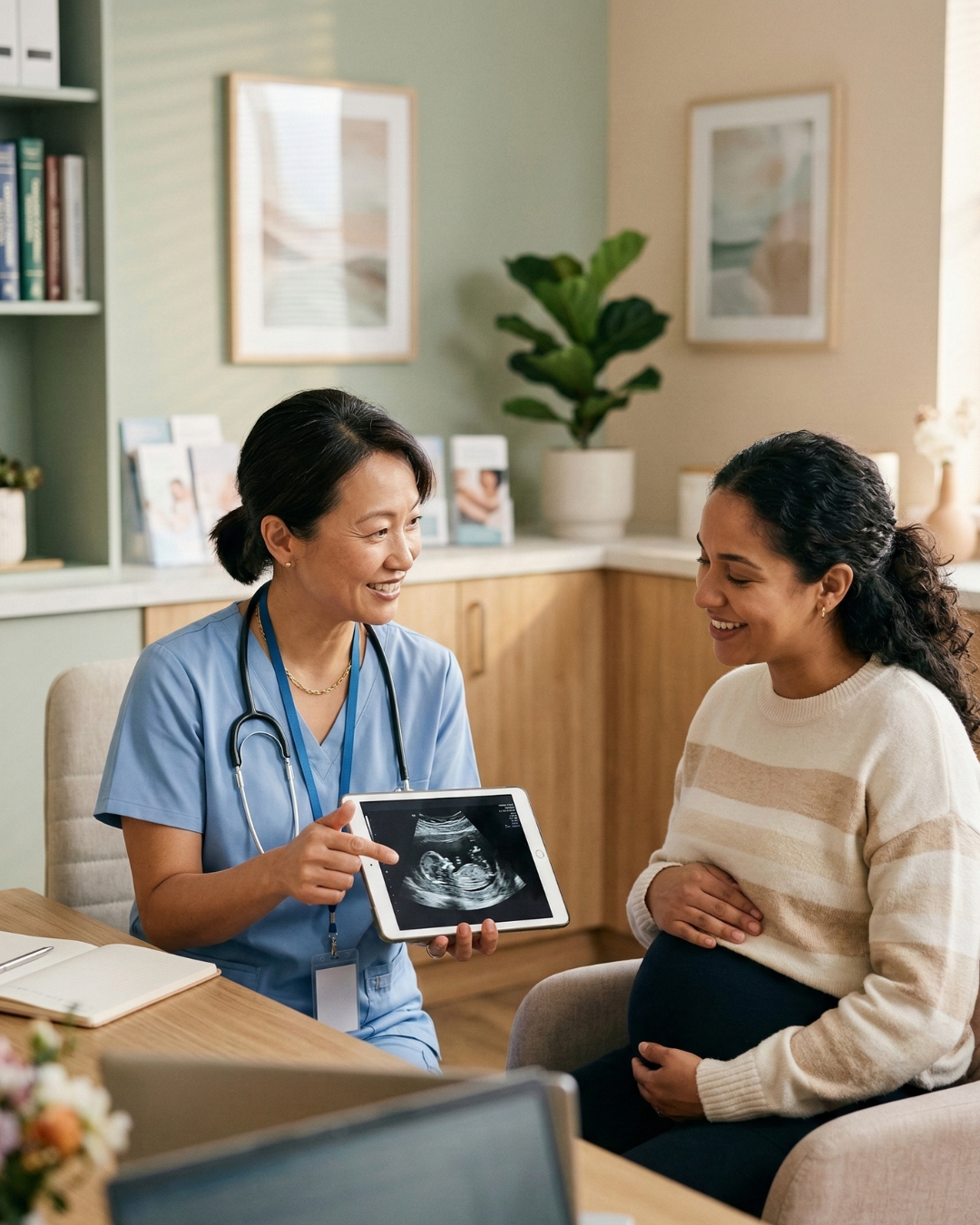
- Ultrasound to assess the baby's growth and amniotic fluid
- Fetal monitoring when clinically indicated
Treatment and Management
The treatment plan depends on severity, gestational age, and how the mother and baby are doing. The aim is to reduce complications while allowing the baby to remain in the uterus safely for as long as appropriate.
Management may include frequent antenatal reviews, home or hospital blood pressure monitoring, blood and urine tests, and assessment of the baby's growth and wellbeing. Medicines may be prescribed to control blood pressure. Magnesium sulfate may be given in hospital in selected cases to reduce the risk of seizures.
If preterm delivery is likely, corticosteroid injections may be recommended to help the baby's lungs mature. Do not start, stop or change blood pressure medicines or aspirin on your own. Preventive medicines, including low-dose aspirin for some women at increased risk, should be advised by the treating obstetrician.
When Is Delivery Recommended?
Delivery is the only definitive way to end preeclampsia, but timing must balance the mother's health with the baby's maturity. If the condition is stable and does not have severe features, close monitoring may allow pregnancy to continue until around 37 weeks, depending on the clinical situation.
When severe features or signs of deterioration develop, earlier delivery may be necessary after stabilising the mother. Preeclampsia does not automatically mean a caesarean section is required; vaginal birth may be possible in appropriate circumstances.
Possible Complications for Mother and Baby
Without timely recognition and management, preeclampsia can progress and become dangerous. Maternal complications may include seizures (eclampsia), HELLP syndrome, stroke, kidney or liver injury, fluid in the lungs and problems with blood clotting.
The placenta may not deliver enough oxygen and nutrients to the baby, increasing the risk of fetal growth restriction, placental abruption or preterm birth. Careful monitoring helps the medical team decide when intervention is needed.
Care After Delivery and Future Pregnancy
Preeclampsia does not always resolve immediately after birth. Blood pressure can remain high or rise during the days and weeks after delivery, and postpartum preeclampsia can occur even after an uncomplicated pregnancy. Follow-up blood pressure checks and prescribed medication are important.
Women who have had preeclampsia may have a higher long-term risk of high blood pressure and cardiovascular disease. Discuss postpartum follow-up and future pregnancy planning with your doctor.
Why Regular Antenatal Check-ups Matter
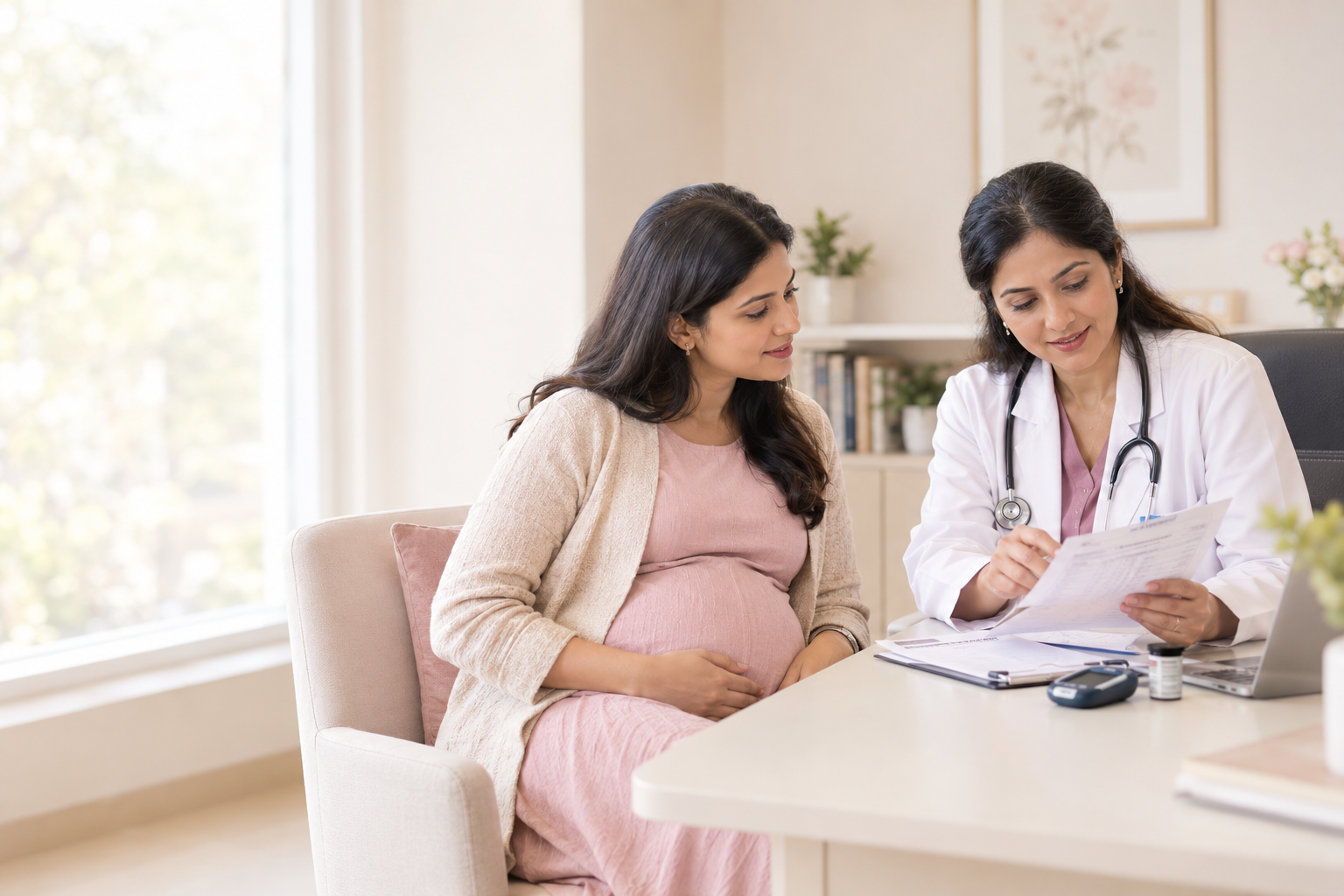
Because preeclampsia can develop without obvious warning symptoms, routine antenatal visits are important for early detection and safe management. Attend scheduled appointments, share new symptoms promptly and follow the monitoring plan recommended by your obstetrician.
If you have a history of high blood pressure, kidney disease, diabetes or preeclampsia in a previous pregnancy, tell your doctor early so your care can be planned around your individual risk.
Resources
Common questions
What is the first sign of preeclampsia during pregnancy?
High blood pressure detected during a routine antenatal check may be the first sign. Some women do not notice symptoms. Persistent headache, visual changes, upper abdominal pain or sudden swelling of the face and hands need prompt medical assessment.
At what stage of pregnancy can preeclampsia develop?
Preeclampsia usually develops after 20 weeks of pregnancy, often in the third trimester. It can also develop during labour or after childbirth.
Can preeclampsia occur without protein in the urine?
Yes. Protein in the urine is one possible finding, but preeclampsia may also be diagnosed when high blood pressure is accompanied by other signs of organ involvement, such as abnormal kidney or liver tests, low platelets or neurological symptoms.
Does preeclampsia always require a caesarean section?
No. The safest mode of birth depends on the mother's and baby's condition, the stage of pregnancy and other obstetric factors. Some women can have a vaginal birth, while a caesarean may be recommended when clinically necessary.
Can preeclampsia be treated without delivery?
Monitoring and medicines can help control blood pressure and reduce certain risks, but delivery is the definitive treatment. Depending on severity and gestational age, the obstetrician may recommend close monitoring or earlier delivery.
Can preeclampsia happen after delivery?
Yes. Postpartum preeclampsia can occur after childbirth, including in women who did not have a diagnosis during pregnancy. Severe headache, visual changes, upper abdominal pain, breathlessness or high blood pressure after delivery require urgent assessment.