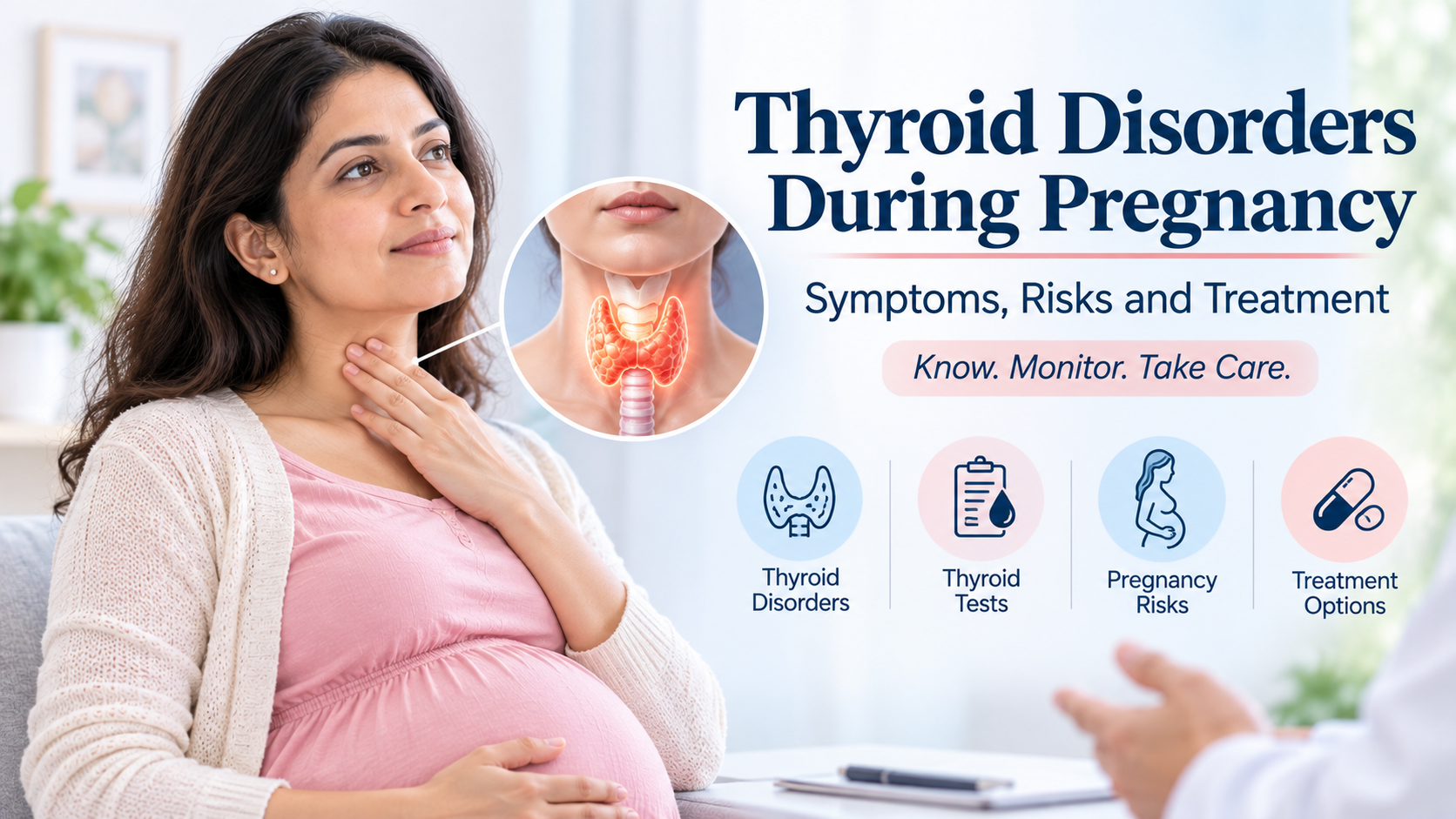
Thyroid disorders during pregnancy can influence maternal health and fetal development if they are not appropriately diagnosed and managed. The thyroid gland produces hormones that regulate metabolism and support important processes in the body. During pregnancy, thyroid hormone requirements change, making monitoring particularly important for women with existing thyroid conditions or certain risk factors. Hypothyroidism and hyperthyroidism are the two major thyroid disorders that may require attention during pregnancy. With appropriate testing, medication adjustments and antenatal follow-up, many women with thyroid conditions can have healthy pregnancies.
Why Is the Thyroid Important During Pregnancy?
The thyroid gland, located in the front of the neck, produces hormones called thyroxine (T4) and triiodothyronine (T3). These hormones help regulate metabolism and support normal growth and development.
During early pregnancy, the developing baby relies significantly on maternal thyroid hormone. As pregnancy progresses, the fetal thyroid begins producing its own hormones.
Pregnancy causes changes in thyroid hormone requirements and laboratory values. These changes are influenced by pregnancy hormones, increased thyroid-binding proteins and other physiological processes.
Women with thyroid disease may require closer monitoring and adjustments to treatment throughout pregnancy.
Types of Thyroid Disorders During Pregnancy
Hypothyroidism occurs when the thyroid gland does not produce enough thyroid hormone. It may be associated with autoimmune thyroid disease, previous thyroid surgery or other thyroid conditions.
Hyperthyroidism occurs when the thyroid produces excessive thyroid hormone. Graves' disease is an important cause of hyperthyroidism during pregnancy.
Some women may also have thyroid antibodies or abnormal thyroid test results without obvious symptoms.
The significance of a thyroid abnormality depends on the underlying cause, hormone levels, pregnancy stage and individual medical history.
Symptoms of Hypothyroidism During Pregnancy
Hypothyroidism may develop gradually and can be difficult to recognise because several symptoms overlap with normal pregnancy changes.
Possible symptoms include unusual fatigue, feeling cold more often than usual, constipation, dry skin, difficulty concentrating and unexplained weight-related concerns.
Some women may experience muscle aches, reduced energy or changes in mood.
Symptoms alone cannot confirm hypothyroidism. Thyroid blood tests are needed to assess thyroid function.
Women with a known thyroid condition should inform their obstetrician early in pregnancy, even if they feel well.
Symptoms of Hyperthyroidism During Pregnancy
Hyperthyroidism involves excessive thyroid hormone activity and may produce symptoms that overlap with normal pregnancy experiences.
Possible symptoms include persistent rapid heartbeat, heat intolerance, excessive sweating, tremors, unexplained weight loss or difficulty gaining appropriate weight.
Some women may experience anxiety, restlessness, frequent bowel movements or significant weakness.
Severe or persistent palpitations, chest discomfort, fainting or breathlessness require prompt medical evaluation.
Because pregnancy itself can increase heart rate and change metabolism, clinical assessment and laboratory testing are essential to determine whether hyperthyroidism is present.
What Causes Thyroid Problems During Pregnancy?
Autoimmune thyroid conditions are important causes of thyroid dysfunction during pregnancy.
Hashimoto's thyroiditis is commonly associated with hypothyroidism, while Graves' disease is a major cause of hyperthyroidism.
Previous thyroid surgery, radioactive iodine treatment, thyroid nodules or existing thyroid medication use may also influence thyroid health.
Some women develop thyroid dysfunction for the first time during pregnancy or after delivery.
A personal or family history of thyroid disease, autoimmune conditions or previous abnormal thyroid tests may increase the likelihood of thyroid problems.
How Are Thyroid Disorders Diagnosed During Pregnancy?
Thyroid function is assessed through blood tests, particularly thyroid-stimulating hormone (TSH) and free thyroxine (FT4), interpreted using appropriate pregnancy-specific reference ranges when available.
Additional tests may include thyroid antibodies, depending on the suspected condition and clinical history.
TSH levels can change during pregnancy, particularly in early pregnancy, so non-pregnant reference ranges should not always be applied directly.
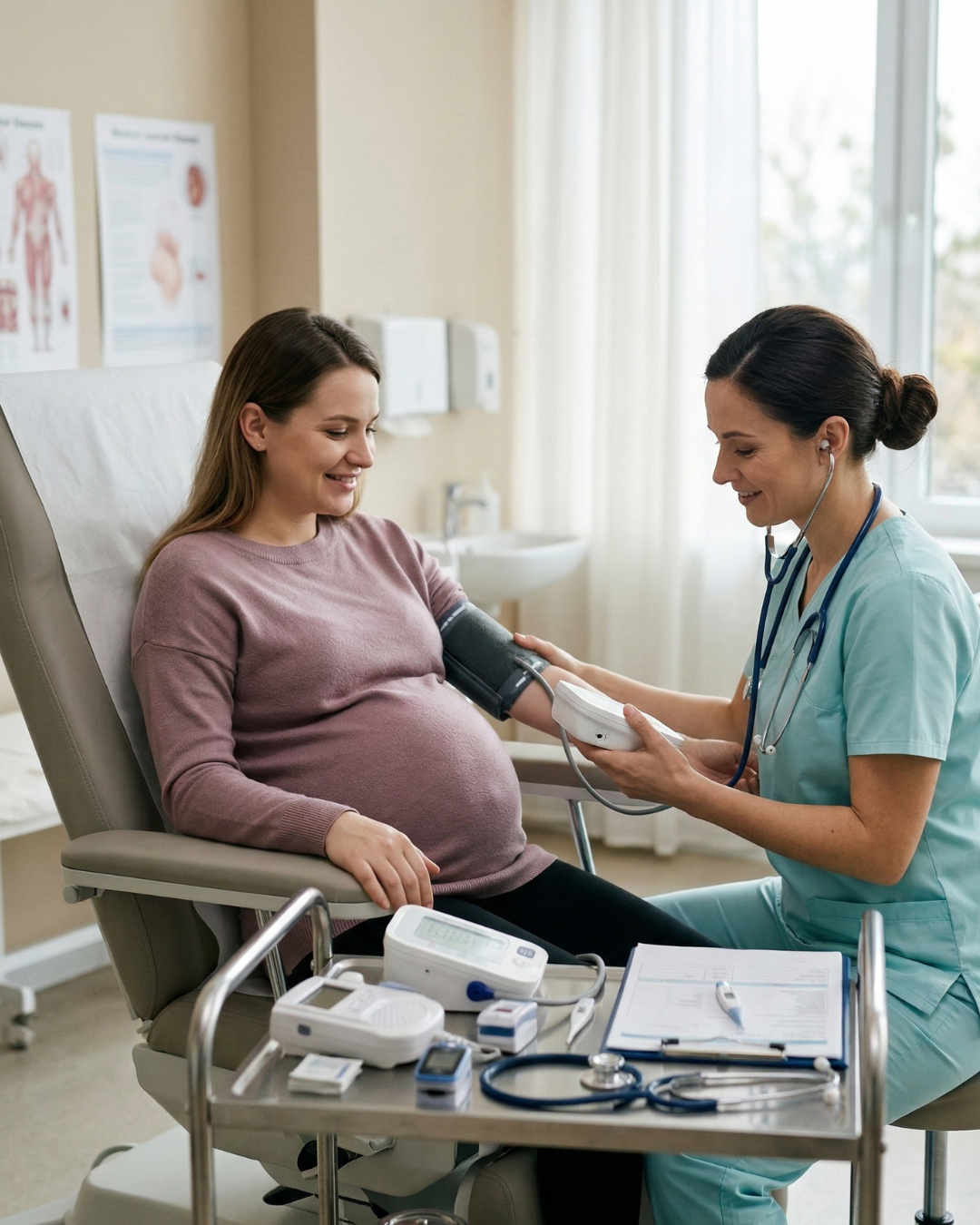
Women with known thyroid disease may need testing early in pregnancy and repeated monitoring during antenatal care.
The frequency of testing depends on the diagnosis, treatment, pregnancy stage and response to medication.
How Can Hypothyroidism Affect Pregnancy?
Untreated or inadequately treated significant hypothyroidism may increase the risk of certain pregnancy complications.
Potential risks include miscarriage, hypertensive disorders of pregnancy, preterm birth and problems affecting fetal growth or development.
Maternal thyroid hormone is particularly important during early fetal development, including brain development.
These risks depend on the severity of thyroid dysfunction and other maternal factors. They are not inevitable in every woman with hypothyroidism.
Appropriate treatment and regular monitoring help maintain thyroid hormone levels within the recommended pregnancy targets.
How Can Hyperthyroidism Affect Pregnancy?
Uncontrolled hyperthyroidism may increase the risk of maternal complications, including pregnancy-related hypertension, preterm birth and poor fetal growth.
Severe untreated hyperthyroidism can lead to serious maternal illness and requires specialist management.
In women with Graves' disease, certain thyroid antibodies can cross the placenta and affect fetal thyroid function.
The obstetrician and endocrinologist may recommend additional fetal monitoring when maternal thyroid disease or antibody levels indicate increased risk.
Careful management helps balance maternal thyroid control with the safety of the developing baby.
Treatment of Hypothyroidism During Pregnancy
Levothyroxine is the standard treatment for hypothyroidism during pregnancy. It replaces the thyroid hormone that the body is unable to produce adequately.
Women already taking levothyroxine may need a dose adjustment after pregnancy is confirmed because thyroid hormone requirements often increase.
Dose changes should be guided by the treating clinician and thyroid test results rather than made independently.
Thyroid function is monitored regularly to ensure that hormone levels remain within the recommended pregnancy range.
Iron and calcium supplements can interfere with levothyroxine absorption. The timing of these medicines should be discussed with the healthcare provider.
Treatment of Hyperthyroidism During Pregnancy
Treatment depends on the cause and severity of hyperthyroidism, pregnancy stage and maternal symptoms.
Selected antithyroid medications may be used when treatment is necessary. The choice of medication requires careful consideration because different medicines have different pregnancy-related risks.
Propylthiouracil is generally preferred during the first trimester when antithyroid medication is required, while methimazole may be considered later according to specialist guidance.
The lowest effective dose is generally used to control maternal thyroid hormone levels while reducing the risk of excessive treatment affecting the fetal thyroid.
Radioactive iodine treatment is contraindicated during pregnancy.
Management should involve coordinated care between the obstetrician and an endocrinologist when appropriate.
Thyroid Monitoring Throughout Pregnancy
Women with established thyroid disease may require thyroid function testing at regular intervals throughout pregnancy.
Monitoring helps determine whether medication adjustments are needed as pregnancy-related hormone requirements change.
The frequency of testing depends on the type of thyroid disorder, treatment and stability of thyroid levels.
Women with Graves' disease may need additional assessment of thyroid antibodies and fetal thyroid-related risks when indicated.
Keeping laboratory reports and medication records available during antenatal appointments can help ensure continuity of care.
Thyroid Health After Delivery
Thyroid hormone requirements may change after delivery, and medication doses may need reassessment.
Some women develop postpartum thyroiditis, an inflammatory thyroid condition that can cause temporary changes in thyroid hormone levels.
Postpartum thyroiditis may initially cause symptoms of hyperthyroidism and later symptoms of hypothyroidism, although not every woman experiences both phases.
Women with existing thyroid disease should arrange postpartum follow-up and discuss medication adjustments with their healthcare provider.
Thyroid conditions may also influence breastfeeding-related medication discussions, so professional guidance is important.
When Should You Consult Your Obstetrician?
Women with known thyroid disease should inform their obstetrician as soon as pregnancy is confirmed.
Persistent palpitations, unusual fatigue, tremors, significant heat intolerance or unexplained changes in weight should be discussed during antenatal care.
Women taking thyroid medication should not stop or alter treatment without medical advice.
Severe palpitations, chest pain, fainting or significant breathlessness require urgent assessment.
Early evaluation and appropriate monitoring help support maternal health and fetal development throughout pregnancy.
Conclusion
Thyroid disorders during pregnancy require appropriate assessment because thyroid hormones play an important role in maternal health and fetal development.
Hypothyroidism and hyperthyroidism have different causes, symptoms and treatment approaches.
Thyroid blood tests, individualised medication and regular antenatal monitoring help maintain appropriate thyroid function.
Women with existing thyroid conditions or symptoms suggestive of thyroid dysfunction should discuss them with their obstetrician and seek specialist care when needed.
Resources
Common questions
Can thyroid problems affect pregnancy?
Uncontrolled thyroid disorders may increase the risk of pregnancy complications and affect fetal development. Appropriate diagnosis, treatment and monitoring help reduce these risks.
Is thyroid testing necessary during pregnancy?
Thyroid testing is particularly important for women with known thyroid disease, symptoms or relevant risk factors. The obstetrician determines whether testing is appropriate based on individual circumstances.
Can hypothyroidism cause miscarriage?
Untreated or inadequately treated significant hypothyroidism may increase miscarriage risk. Appropriate thyroid hormone replacement and monitoring help manage this risk.
Can I continue levothyroxine during pregnancy?
Levothyroxine is commonly continued during pregnancy and may require a dose adjustment. Women should consult their healthcare provider promptly after pregnancy confirmation and should not stop treatment independently.
Is hyperthyroidism dangerous during pregnancy?
Uncontrolled hyperthyroidism can increase maternal and fetal risks. Appropriate specialist treatment and monitoring are important to maintain maternal thyroid control while protecting fetal health.
Can thyroid disorders affect the baby's growth?
Significant uncontrolled thyroid dysfunction may affect fetal growth and development. The risk depends on the type and severity of the condition and how well it is managed.
Can thyroid medication be taken while breastfeeding?
Several thyroid medicines, including levothyroxine, are compatible with breastfeeding when appropriately prescribed. Medication suitability and dosage should be discussed with the treating clinician.
When should I see a doctor for thyroid problems during pregnancy?
Women with known thyroid disease should inform their obstetrician early in pregnancy. New or persistent symptoms such as palpitations, tremors or unusual fatigue should also be evaluated.