
Heavy periods are common, but very heavy or prolonged menstrual bleeding should not simply be accepted as normal. Bleeding that lasts more than 7 days, requires frequent changes of pads or tampons, involves large blood clots or leaves you exhausted can be a sign that something needs to be evaluated. Heavy menstrual bleeding can occur because of fibroids, adenomyosis, problems with ovulation, PCOS, thyroid disorders, bleeding disorders, certain medicines or other conditions. Finding the underlying cause is important because treatment depends on why the bleeding is happening.
Women's Health
Heavy Periods: Causes, When They Are Not Normal and Treatment Options
Heavy periods are more than just an inconvenience when they interfere with daily life, last longer than 7 days or cause symptoms such as fatigue and dizziness. Learn the common causes of heavy menstrual bleeding and when to see a gynecologist.
More Blogs
Keep reading
Fertility Care
Recurrent Miscarriage: Why It Happens and What Tests You Actually Need
After repeated miscarriages, it is natural to want every possible test. But more testing does not always mean better answers. Here are the causes that matter, the investigations worth doing and the tests that often add more confusion than clarity.
Read More
Fertility Care
Low AMH: Does It Mean You Cannot Get Pregnant Naturally?
A low AMH result tells you something about the number of eggs remaining in the ovaries. It does not tell you that you cannot conceive naturally, and it does not measure egg quality. Here is how to interpret the number without letting one blood test decide your entire fertility plan.
Read More
Women's Health
Adenomyosis Symptoms: How It Differs From Endometriosis and Fibroids
Adenomyosis can cause heavy periods, worsening cramps, pelvic pressure and pain, but it is often confused with endometriosis and fibroids. Here is how the three conditions actually differ.
Read More
Fertility Care
Fertility After 35: What Actually Changes and What You Can Do
Fertility doesn't fall off a cliff the day you turn 35, but the decline is real, and it moves faster than most women are told. Here's what actually changes in your body, what an AMH test can and can't tell you, and what your real options are.
Read More
Fertility Care
Endometriosis Symptoms: Why Period Pain Isn't Always Normal
Endometriosis is a common and often under-diagnosed cause of severe period pain, pain during intercourse and infertility. Recognising the pattern early can shorten years of being told the pain is normal.
Read MoreWomen's Health
Ovarian Cysts: Types, Symptoms and When They Need Treatment
Most ovarian cysts are harmless and resolve on their own within a few cycles. Some are structural, grow large, twist or need surgery the type of cyst decides the plan.
Read More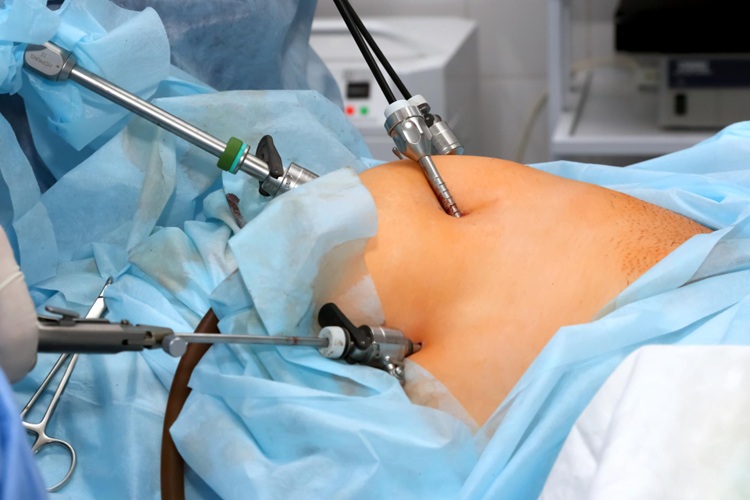
Treatments
Do I Really Need a Laparoscopy? An Honest Answer
Keyhole surgery is a good operation that is sometimes recommended too readily. Here is how to tell which situation you are in and what the recovery actually feels like.
Read More
Women's Health
PCOS and Irregular Periods: What Actually Helps (and What Doesn't)
If your periods skip months or arrive unpredictably, the reason is usually missed ovulation and PCOS is the most common cause in Indian women. Here is what the diagnosis really means, and what genuinely helps.
Read More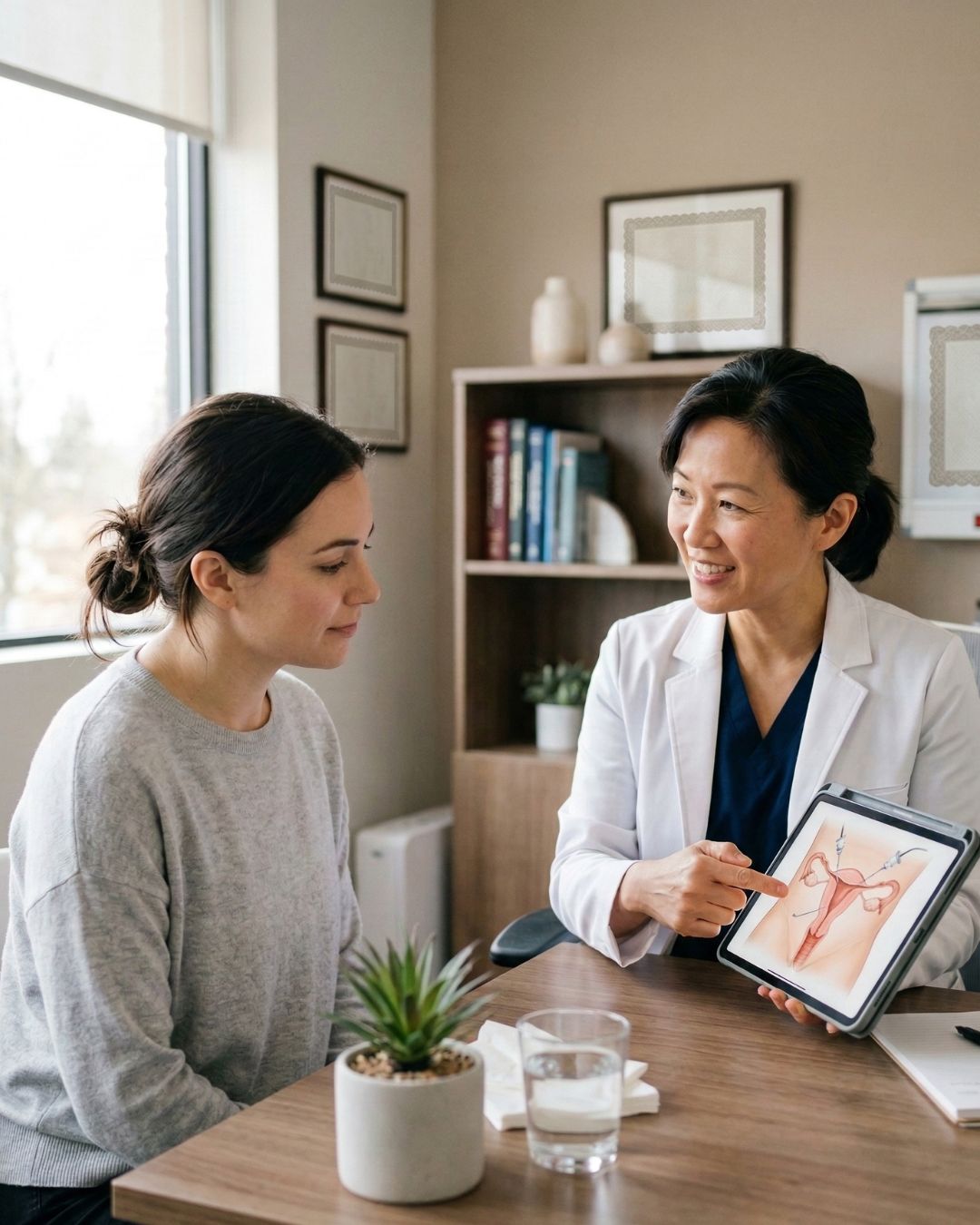
Women's Health
Irregular Periods Reason: Why Your Cycle May Be Changing
Irregular periods can happen because of pregnancy, stress, weight change, PCOS, thyroid problems, contraception, fibroids or perimenopause. The pattern gives important clues.
Read More
Women's Health
White Discharge Reason: What Is Normal and When to Worry
White discharge is usually normal when it has no bad smell, itching or pain. The details matter: timing, texture, color, pregnancy status and associated symptoms.
Read More
Pregnancy Care
C-Section Recovery Time: Week-by-Week Healing Guide
C-section recovery usually takes several weeks. This week-by-week guide explains pain, walking, stitches, scar care, breastfeeding, warning signs and return to routine.
Read More
Fertility Care
Asherman's Syndrome Treatment With Hysteroscopy
Asherman's syndrome happens when scar tissue forms inside the uterus. Hysteroscopy can diagnose and treat adhesions, but recovery, follow-up and fertility planning matter just as much.
Read More
Women's Health
Can You Control Fibroids Naturally?
Lifestyle can support hormone balance and reduce symptoms, but it cannot guarantee fibroid shrinkage. The real control is knowing what to track and when to get care.
Read More
Preventive Care
What Happens If You Skip a Pap Smear?
Cervical cell changes usually do not cause symptoms early. A Pap smear helps find them before they become harder to treat.
Read MoreAppointment
Book an Appointment
Get the care you deserve. With our expertise and dedication, you can expect nothing but the finest care for all your women's health concerns.
- 29+ years of clinical experience
- Compassionate, patient-first care
- Advanced laparoscopic & robotic surgery
Book AppointmentFor Appointments+91-96676 94000Alternate+91-92661 22400
Visit us atRaheja Clinic, New Delhi