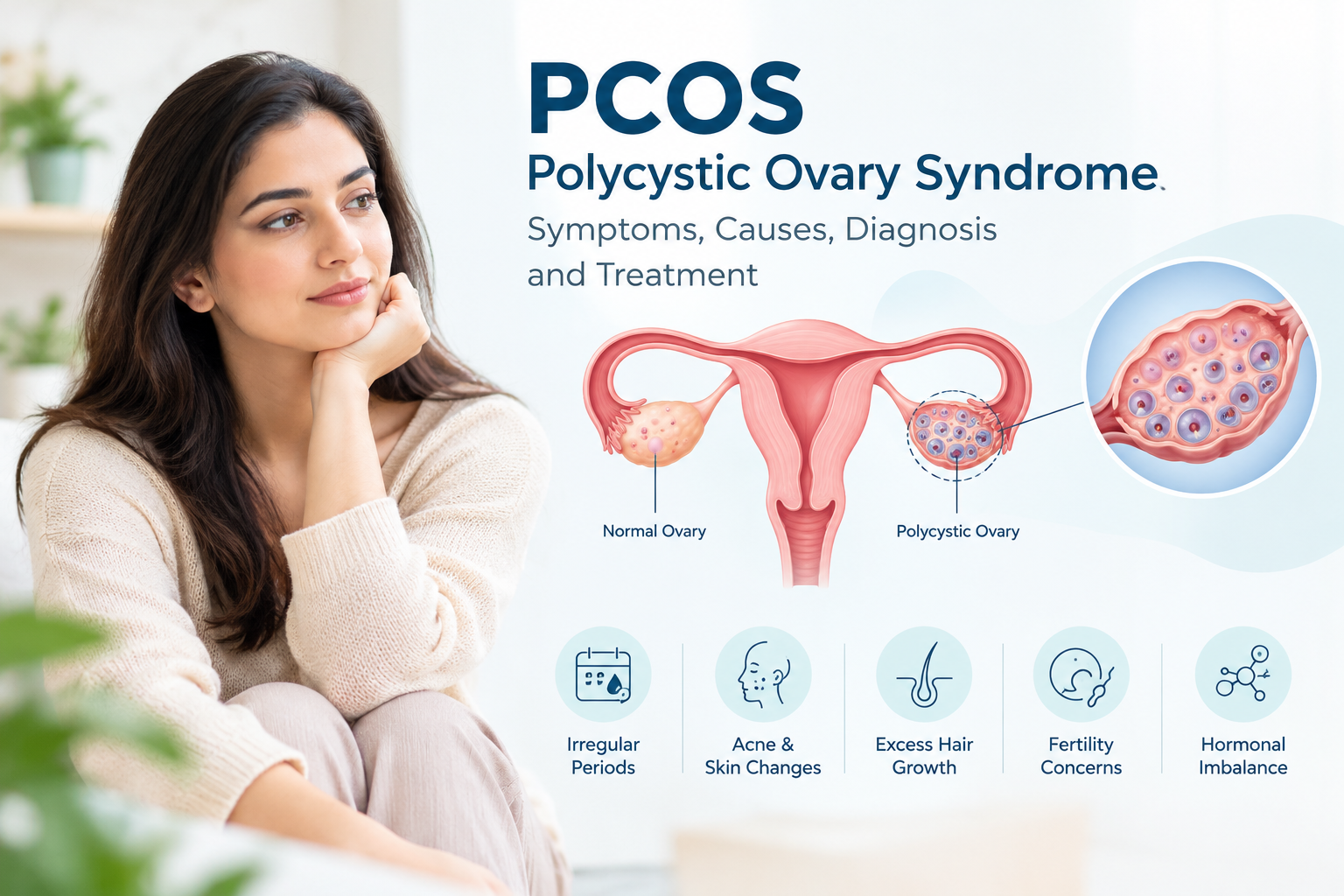
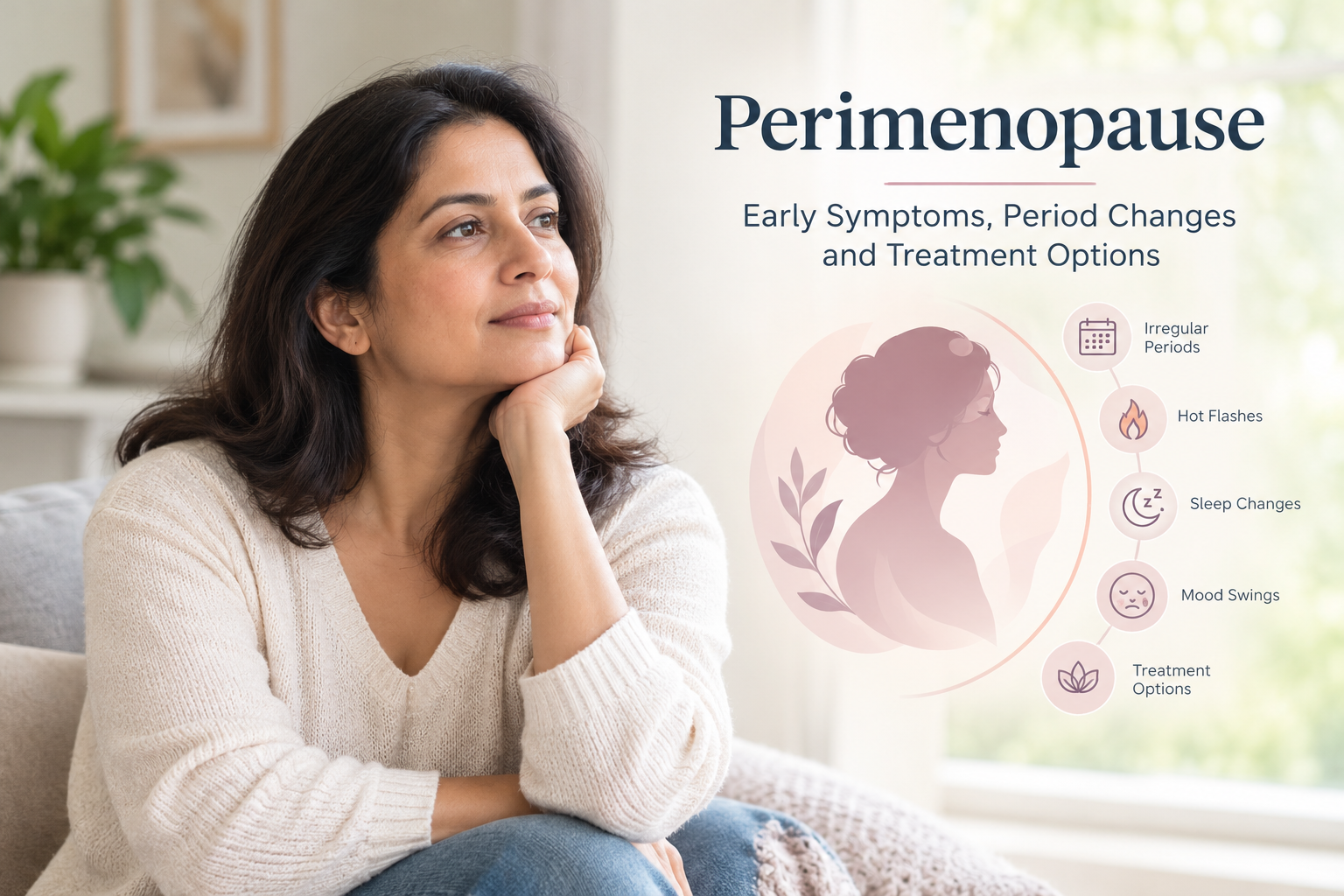
Perimenopause is the transition leading up to menopause, when ovarian hormone levels fluctuate and menstrual cycles begin to change. It often starts during the 40s, although timing varies. Some people notice irregular periods first, while others experience hot flashes, night sweats, sleep difficulties, mood changes or vaginal dryness. These symptoms can affect daily life, but effective management options are available. Understanding the transition and knowing when to seek medical advice can help you make informed decisions about your health.
What Is Perimenopause?
Perimenopause is the stage when the body transitions towards menopause. During this time, ovarian function changes and levels of hormones such as oestrogen can fluctuate. Ovulation may become less predictable, which can affect the timing and pattern of menstrual periods.
Menopause is defined as having gone 12 consecutive months without a menstrual period, when there is no other medical explanation. Perimenopause describes the transition before that point. After menopause, a person enters the postmenopausal stage.
The transition is different for everyone. Symptoms may be mild, intermittent or significant enough to affect sleep, work, relationships and quality of life.
At What Age Does Perimenopause Begin?
Perimenopause commonly begins during the 40s, but it can start earlier or later. The duration also varies; for some people it lasts a few years, while others experience a longer transition.
Age alone cannot confirm that symptoms are due to perimenopause. Thyroid disorders, pregnancy, medication effects and other gynaecological conditions can also change menstrual patterns or cause symptoms such as fatigue and mood changes.
If menstrual changes begin before age 40, or periods stop unexpectedly, seek medical assessment. Early menopause or primary ovarian insufficiency may need to be considered, along with other possible explanations.
Early Signs and Common Symptoms of Perimenopause
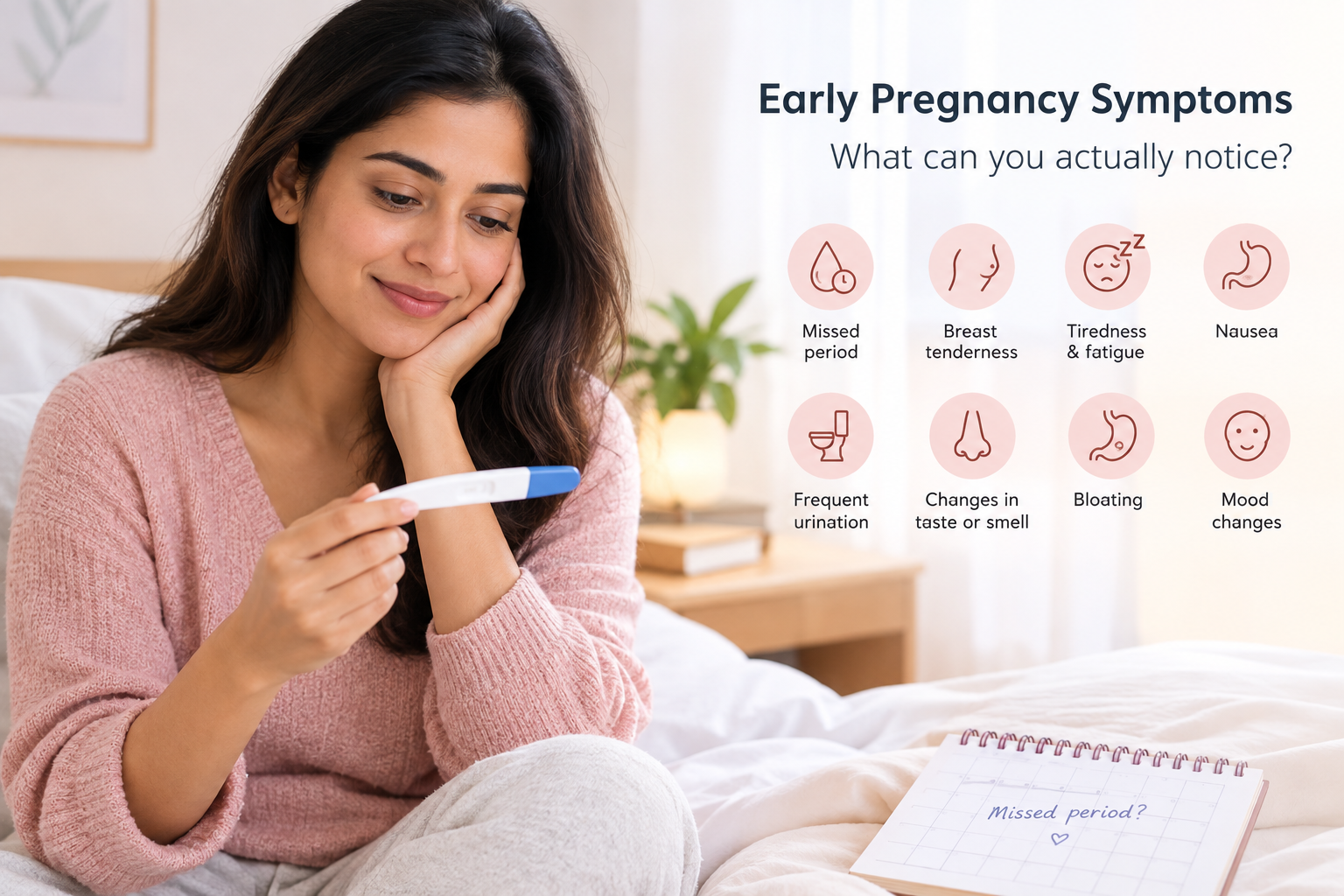
Symptoms vary considerably, and not everyone experiences every change. Some people first notice changes in their periods, while others develop hot flashes or sleep disturbances before their cycles become noticeably irregular.
Common symptoms may include:
- Periods that become irregular, shorter, longer, lighter or heavier than usual.
- Hot flashes, which are sudden feelings of warmth that may affect the face, neck and chest.
- Night sweats that can interrupt sleep.
- Difficulty falling asleep or staying asleep.
- Mood changes, irritability, anxiety or difficulty concentrating.
- Vaginal dryness, discomfort during sexual activity or changes in sexual desire.
- Changes in headaches or migraine patterns.
- Joint discomfort, fatigue or changes in how the body stores fat.
Why Do Periods Change During Perimenopause?
As ovarian function changes, ovulation may occur less consistently. Because the hormones that regulate the menstrual cycle fluctuate, periods may arrive earlier or later than expected, and the amount of bleeding may change.
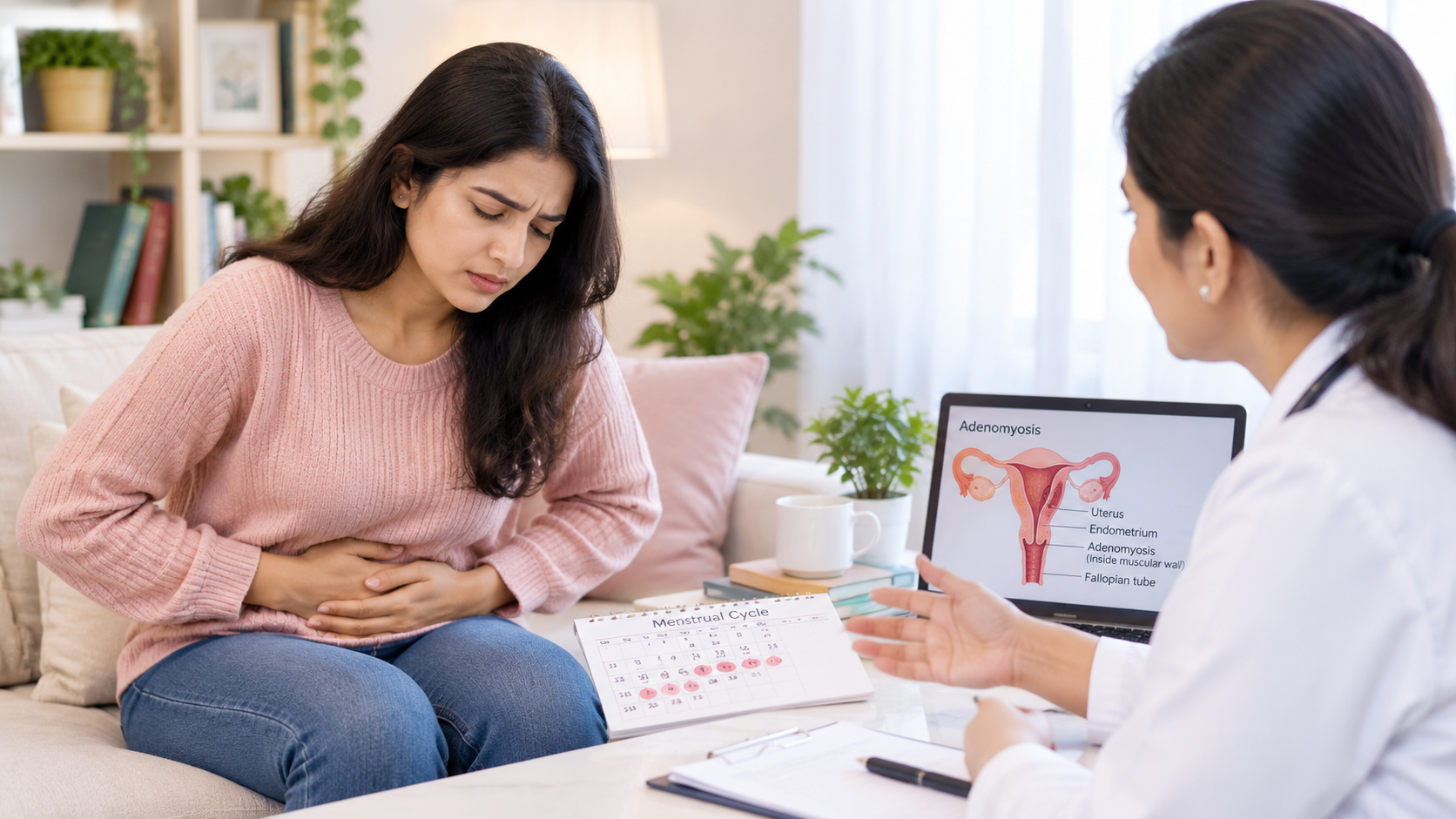
Some variation can occur during the menopause transition, but not every change should be assumed to be hormonal. Fibroids, adenomyosis, endometrial polyps, thyroid problems, pregnancy and other conditions may also cause abnormal bleeding.
Seek medical advice for bleeding that is unusually heavy, prolonged, frequent or associated with significant pain. Any bleeding after menopause, including spotting, should be evaluated by a healthcare professional.
How Is Perimenopause Diagnosed?
Diagnosis often relies on a person's age, menstrual history and symptoms. A clinician may ask about changes in cycle length, hot flashes, sleep, mood, medications and relevant medical history.
For otherwise healthy people aged 45 or older with typical symptoms, perimenopause and menopause are usually identified clinically rather than through routine hormone testing. Hormone levels can fluctuate substantially during the transition, so a single blood result may not provide a reliable answer.
Testing may be appropriate in younger people or when symptoms are atypical or another condition is suspected. Depending on the situation, a clinician may consider a pregnancy test, thyroid testing, blood counts or other investigations to assess specific concerns.
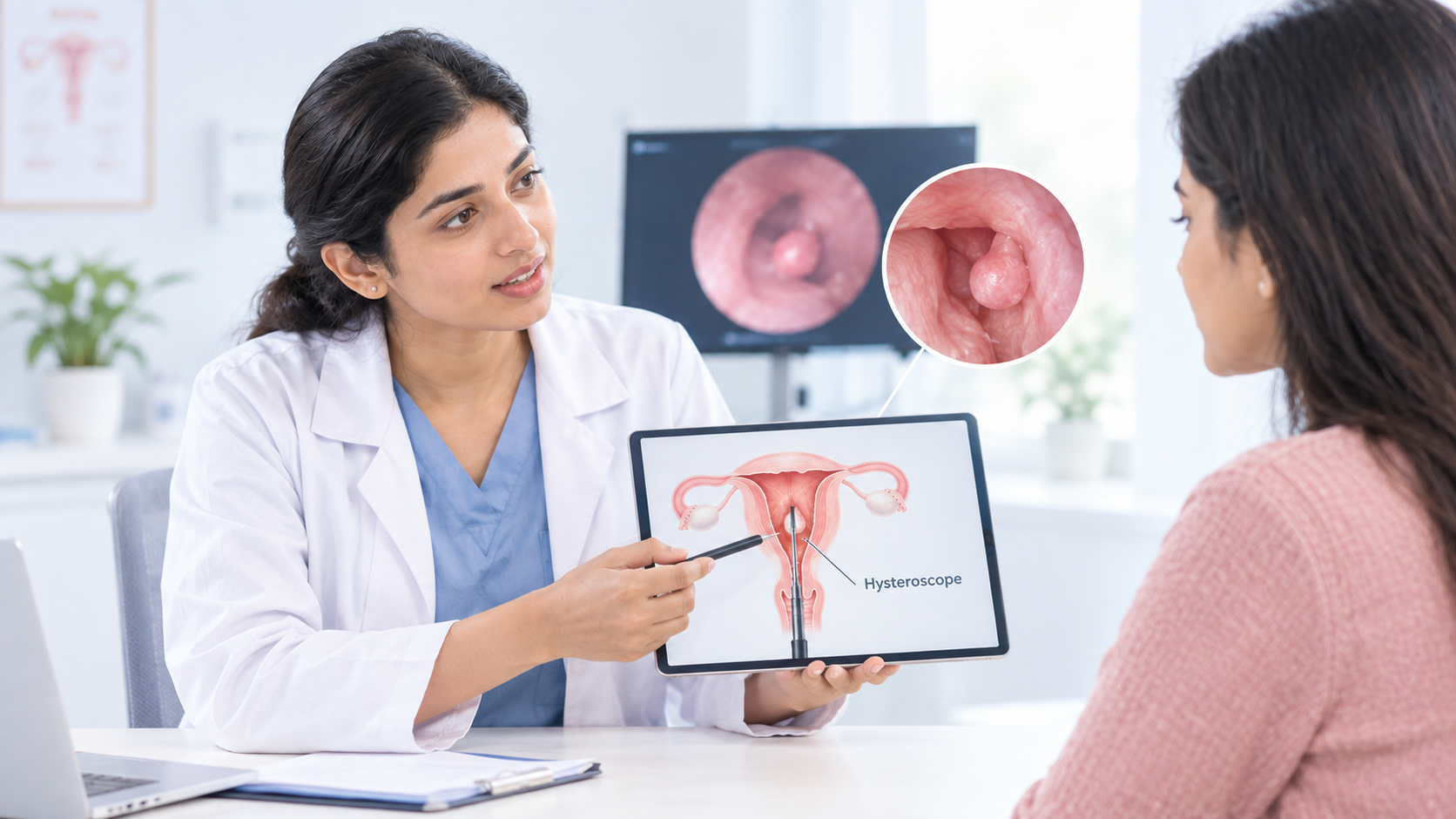
Abnormal bleeding may require a separate assessment to identify its cause. The tests needed depend on age, bleeding pattern, risk factors and examination findings.
Treatment Options for Perimenopause Symptoms
Treatment depends on which symptoms are most troublesome, medical history, personal preferences and whether contraception is needed. Some people do not require medication, while others benefit from targeted treatment.
Options may include:
- Menopausal hormone therapy: systemic hormone therapy may help manage troublesome hot flashes and night sweats in appropriate patients after an assessment of benefits and risks. People with a uterus generally need a progestogen alongside systemic oestrogen to protect the uterine lining.
- Local vaginal oestrogen: low-dose vaginal treatments may help with vaginal dryness, discomfort during sexual activity and certain urinary symptoms. Suitability should be discussed with a clinician, particularly with a history of hormone-sensitive cancer.
- Non-hormonal medicines: selected prescription treatments may help manage hot flashes or other symptoms when hormone therapy is unsuitable or not preferred.
- Contraception: pregnancy can still occur during perimenopause. Appropriate contraception may be needed until menopause is established or a clinician advises otherwise.
- Psychological support and targeted care: counselling or cognitive behavioural therapy may help some people cope with sleep problems, mood symptoms or the impact of menopause-related changes.
Lifestyle Changes That May Help
Daily habits can support general health and may make some perimenopause symptoms easier to manage. The benefit varies, and lifestyle changes do not replace medical evaluation when symptoms are severe or unusual.
Consider practical measures such as:
- Keep the bedroom cool and use breathable bedding if night sweats interrupt sleep.
- Maintain a consistent sleep schedule and limit late-day caffeine if it affects sleep.
- Exercise regularly with a combination of aerobic activity, strength training and balance exercises suited to your ability.
- Eat a balanced diet with adequate protein, calcium-rich foods and other nutrients needed for bone and general health.
- If hot flashes are triggered by particular foods, drinks, stress or warm environments, note the pattern and adjust where practical.
- Avoid smoking and discuss alcohol use with your healthcare professional.
- Seek support for persistent anxiety, low mood or symptoms that interfere with everyday activities.
Can You Get Pregnant During Perimenopause?
Yes. Although fertility declines with age and ovulation becomes less predictable, pregnancy remains possible during perimenopause. Irregular periods do not necessarily mean that ovulation has stopped permanently.
If you do not wish to become pregnant, discuss suitable contraception with a healthcare professional. Hormonal contraception can also affect bleeding patterns and may mask the natural timing of menopause.
If you are trying to conceive, seek advice based on your age, menstrual history and reproductive goals. A clinician can discuss fertility assessment and appropriate next steps rather than assuming that symptoms alone indicate infertility.
Perimenopause and Long-Term Health
The menopause transition is an opportunity to review bone health, blood pressure, cholesterol, glucose regulation and other preventive health needs. Changes in hormones and ageing can influence these areas, but individual risks differ.
Regular physical activity, adequate nutrition, avoidance of smoking and recommended health screening can support wellbeing. A clinician may advise further assessment based on personal and family medical history.
Hormone therapy is not suitable for everyone and should not be started solely to prevent chronic diseases. Its potential benefits and risks should be discussed in the context of symptoms, age and medical history.
When Should You See a Gynaecologist?
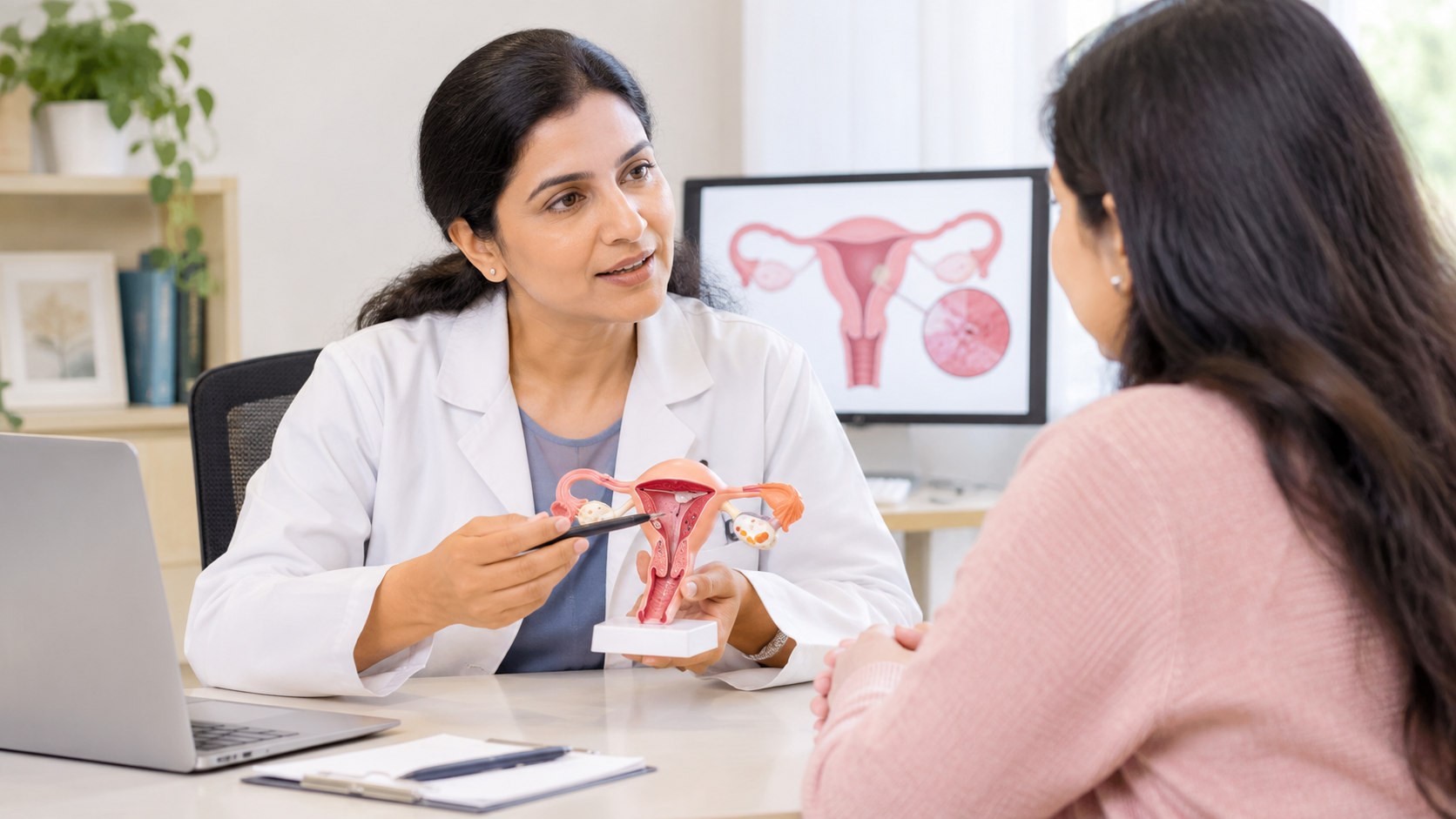
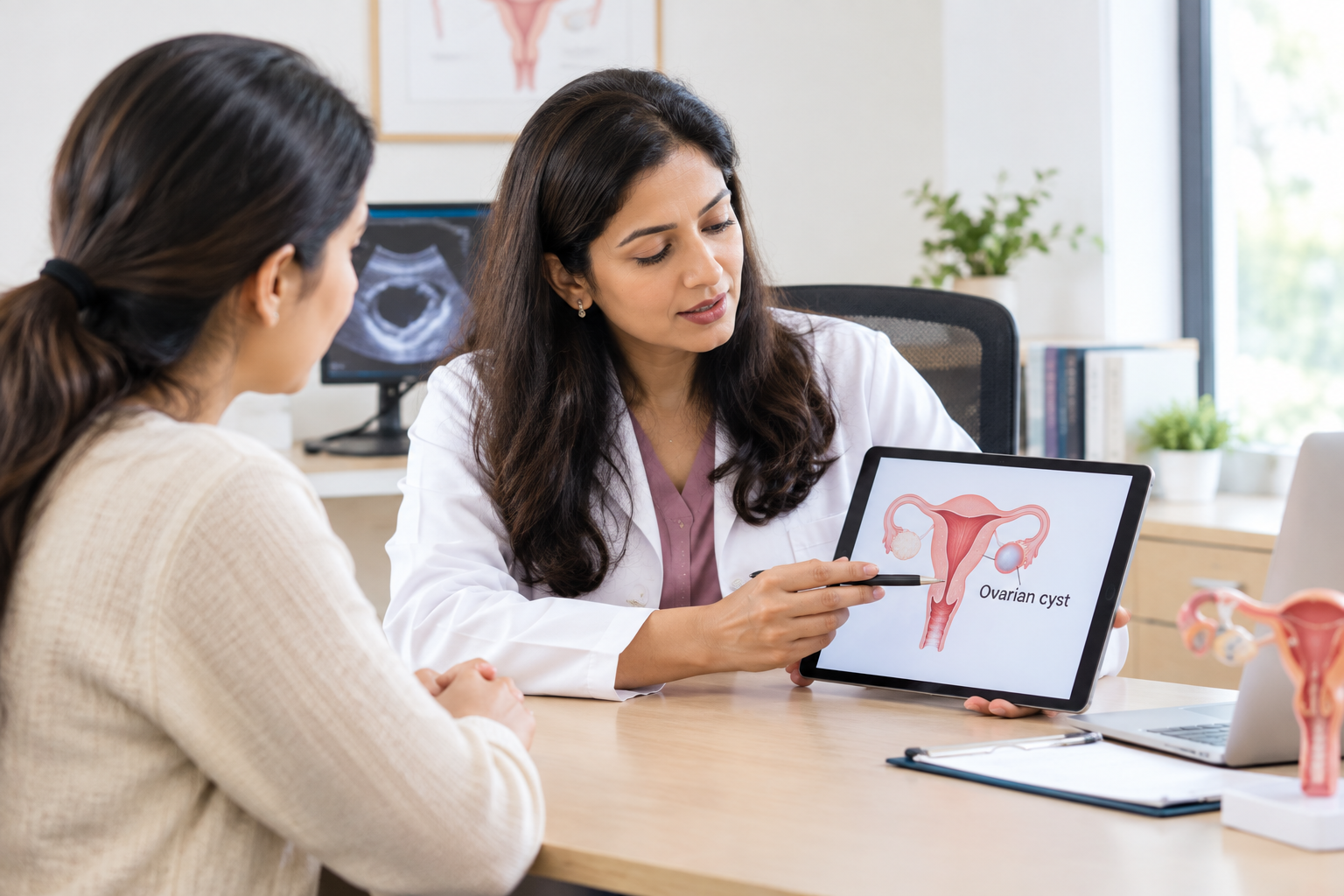
Consider an appointment if hot flashes, night sweats, sleep problems, mood changes or vaginal symptoms are affecting your quality of life. A consultation can help identify suitable treatments and rule out other causes where necessary.
Arrange an assessment for persistent changes in menstrual bleeding, very heavy periods, bleeding between periods or symptoms that begin unusually early. Any bleeding after menopause needs medical evaluation.
Seek urgent care for very heavy bleeding accompanied by faintness, severe weakness, shortness of breath or severe pelvic pain. If pregnancy is possible and you experience severe abdominal pain, dizziness or heavy bleeding, seek urgent medical attention.
Perimenopause is a natural life transition, but you do not have to tolerate disruptive symptoms without support. Individualised care can help you understand the changes and choose an approach that suits your needs.
Resources
Common questions
What is the first sign of perimenopause?
For many people, one of the first noticeable signs is a change in menstrual periods, such as a different cycle length or flow. Hot flashes, sleep problems or mood changes may also occur early. Symptoms vary from person to person.
At what age does perimenopause usually start?
Perimenopause commonly begins during the 40s, although timing varies. Symptoms that begin before age 40, or unexpectedly early cessation of periods, should be discussed with a healthcare professional to assess other possible causes.
How long does perimenopause last?
The duration varies. It can last several years, and the pattern of symptoms is different for each person. Menopause is identified retrospectively after 12 consecutive months without a period when no other cause explains the absence.
Can I get pregnant during perimenopause?
Yes. Ovulation may still occur during perimenopause, even when periods are irregular. If you wish to avoid pregnancy, discuss contraception with a healthcare professional. If you are trying to conceive, seek personalised fertility advice.
Do I need a blood test to confirm perimenopause?
Not usually for otherwise healthy people aged 45 or older with typical symptoms. Hormone levels fluctuate during this transition, so one result may be misleading. A clinician may recommend tests for younger patients or when another condition is suspected.
What treatments can help with hot flashes and night sweats?
Menopausal hormone therapy is an effective option for many suitable patients. Non-hormonal treatments and behavioural approaches may also help. A suitable choice depends on symptoms, medical history, preferences and the potential benefits and risks.
Is bleeding after menopause normal?
No bleeding after menopause should be assumed normal. Any bleeding or spotting after 12 months without periods needs medical evaluation, even if it occurs only once, because the cause must be identified.
How can I manage perimenopause naturally?
Regular exercise, a balanced diet, consistent sleep habits, a cool sleeping environment and identifying personal symptom triggers may help support wellbeing. If symptoms are disrupting your life, discuss additional evidence-based treatment options with a healthcare professional.