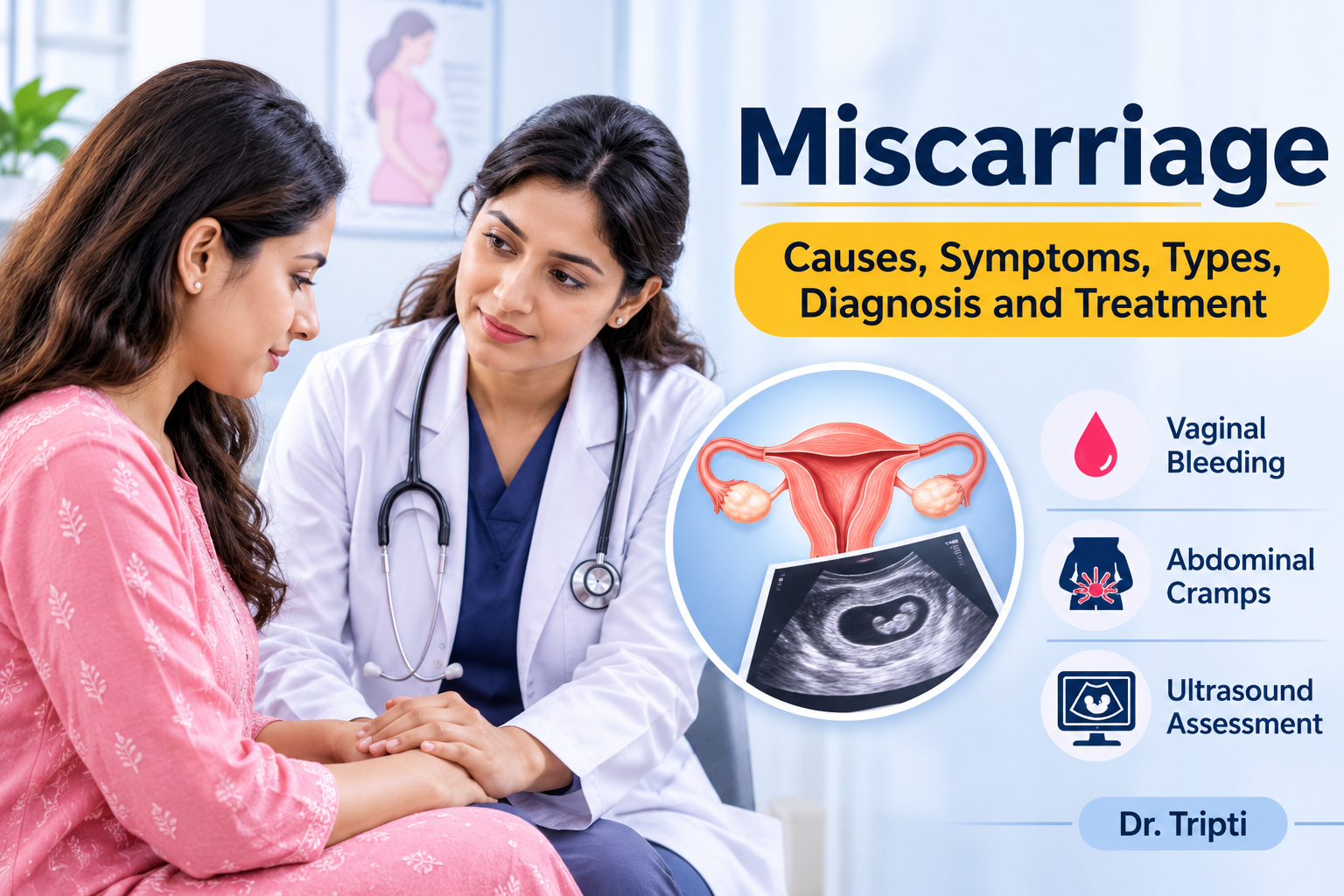
Miscarriage is the loss of a pregnancy before 24 completed weeks. It can be a physically and emotionally difficult experience, and every woman's situation is different. Vaginal bleeding and abdominal cramps are common warning signs, but they do not always mean that a miscarriage is occurring. A medical assessment, which may include an ultrasound scan and blood tests, helps establish what is happening and guide the next steps. Prompt evaluation is especially important when bleeding is heavy, pain is severe, or dizziness or fainting occurs.
What Is a Miscarriage?
A miscarriage is the spontaneous loss of a pregnancy before 24 completed weeks. Many miscarriages occur in the first trimester, sometimes before a woman has had her first pregnancy scan or even confirmed the pregnancy.
Miscarriage is common and is usually not caused by exercise, ordinary daily activities or something the woman did. Bleeding or cramping does not automatically mean pregnancy loss, so an accurate medical assessment is important.
Common Symptoms of Miscarriage
Symptoms vary depending on the stage of pregnancy and the type of miscarriage. The most common symptom is vaginal bleeding, which may range from light spotting to heavier bleeding. Other possible symptoms include:
- Lower abdominal cramps or pain, similar to strong period cramps
- Passage of blood clots or tissue from the vagina
- A sudden gush or leakage of fluid from the vagina
- Lower back pain
- A reduction in pregnancy symptoms, although this alone does not confirm miscarriage
When Is Bleeding in Pregnancy an Emergency?
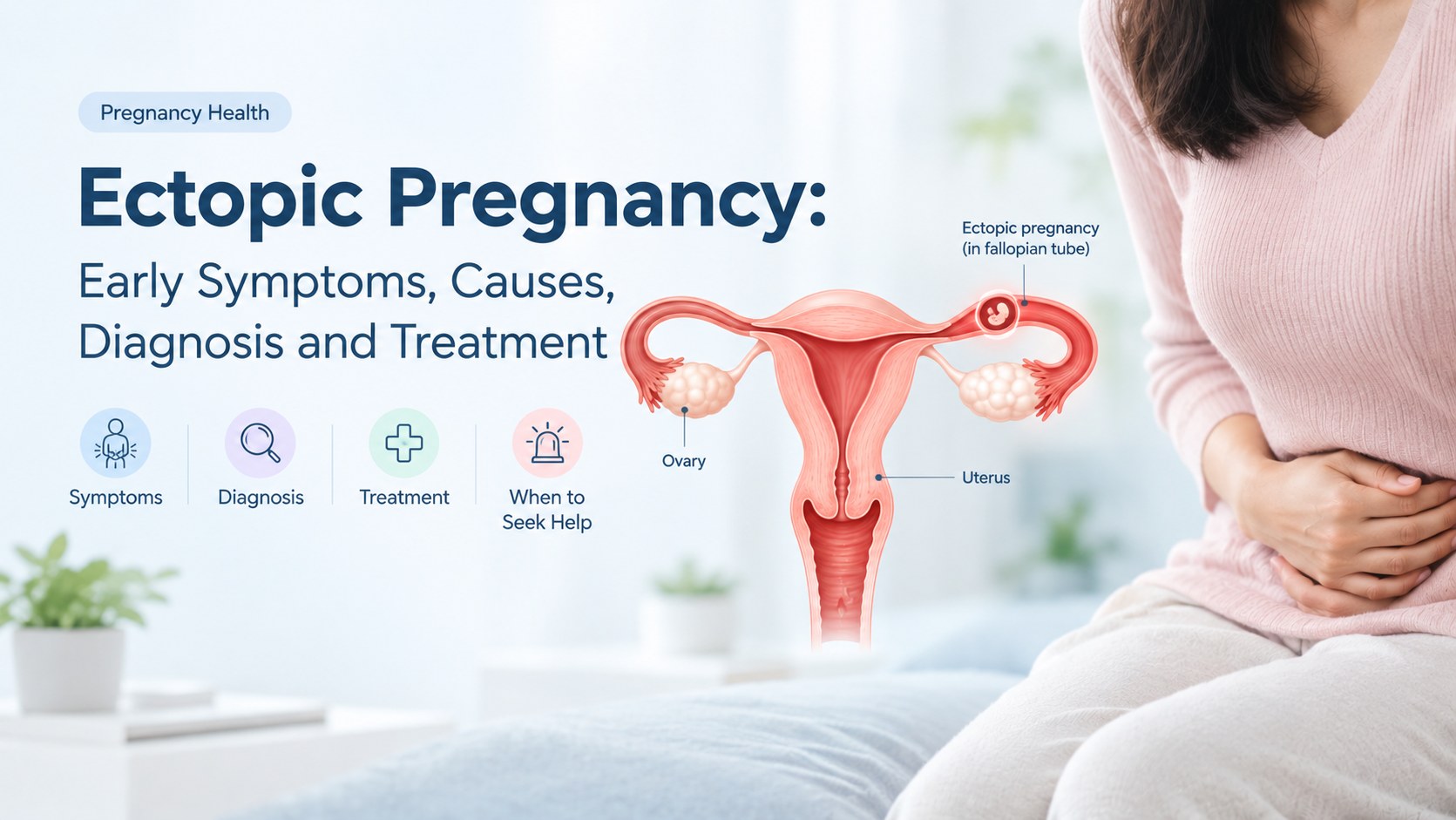
Bleeding or pain in early pregnancy should be discussed with a healthcare professional, even when it is light. These symptoms can occur in pregnancies that continue normally, but they can also indicate miscarriage or an ectopic pregnancy.
Seek emergency medical care if you have heavy bleeding that quickly soaks a pad, severe or one-sided abdominal pain, shoulder-tip pain, dizziness, fainting or marked weakness. These symptoms can indicate significant blood loss or an ectopic pregnancy, which can be life-threatening if not treated promptly.
What Causes a Miscarriage?
In many early miscarriages, the pregnancy stops developing because of chromosomal abnormalities that occur by chance. These changes are generally not inherited and are not the result of anything the woman did.
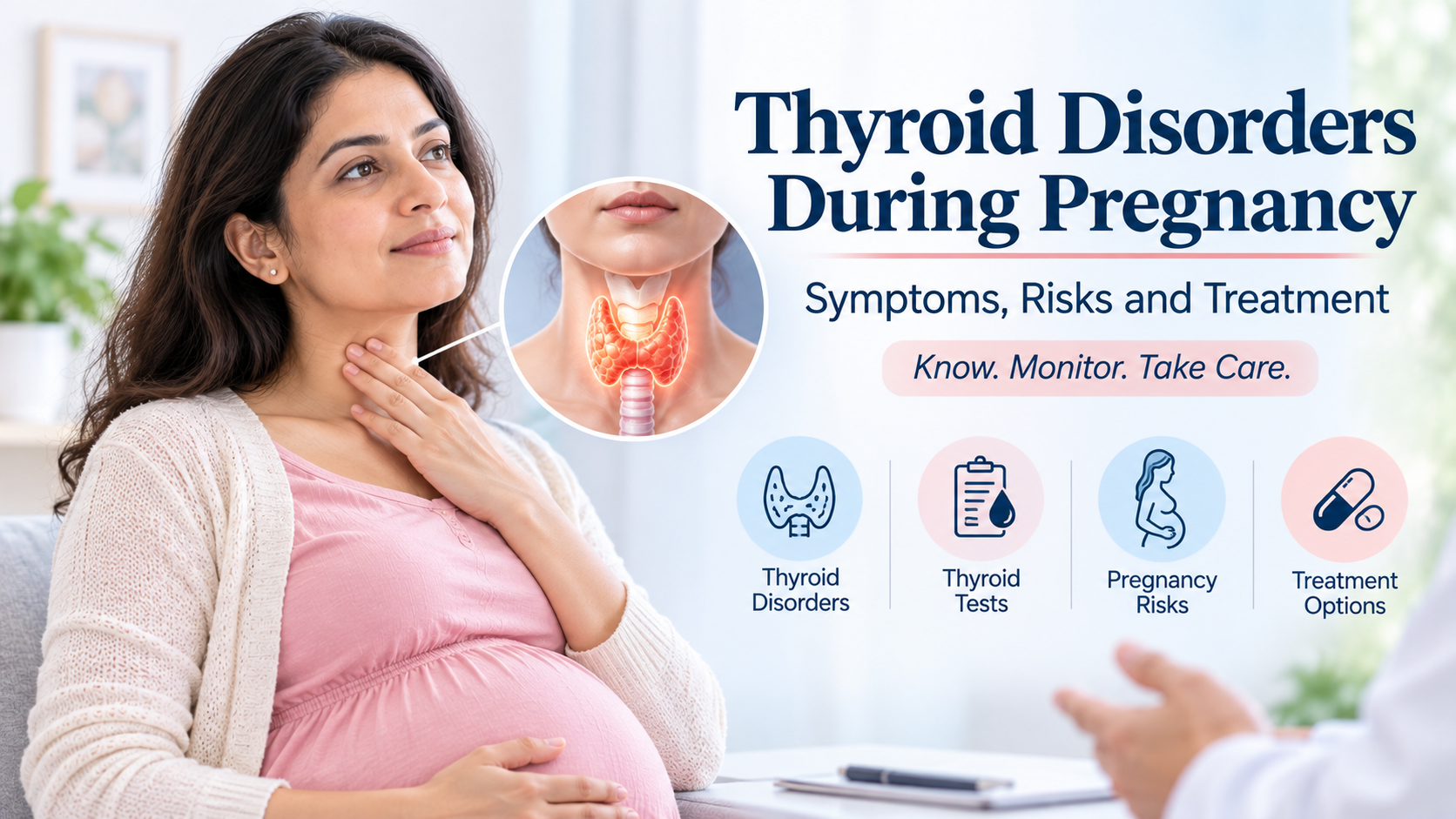
Other factors may be associated with increased risk, including increasing maternal age, poorly controlled diabetes or thyroid disease, certain uterine conditions, some infections and particular medical or blood-clotting disorders. In many cases, no definite cause is identified.
Types of Miscarriage
Doctors may use different terms to describe miscarriage, based on symptoms, examination and ultrasound findings.
- Threatened miscarriage: Bleeding occurs, but the cervix remains closed and the pregnancy may still continue.
- Missed miscarriage: The pregnancy has stopped developing, but there may be no obvious bleeding or pain; it is often detected on ultrasound.
- Incomplete miscarriage: Some pregnancy tissue has passed, but some remains inside the uterus.
- Complete miscarriage: Pregnancy tissue has passed and the uterus is found to be empty on assessment.
- Inevitable miscarriage: Bleeding and cramping occur with changes such as an open cervix, indicating that the pregnancy loss cannot be prevented.
How Is Miscarriage Diagnosed?
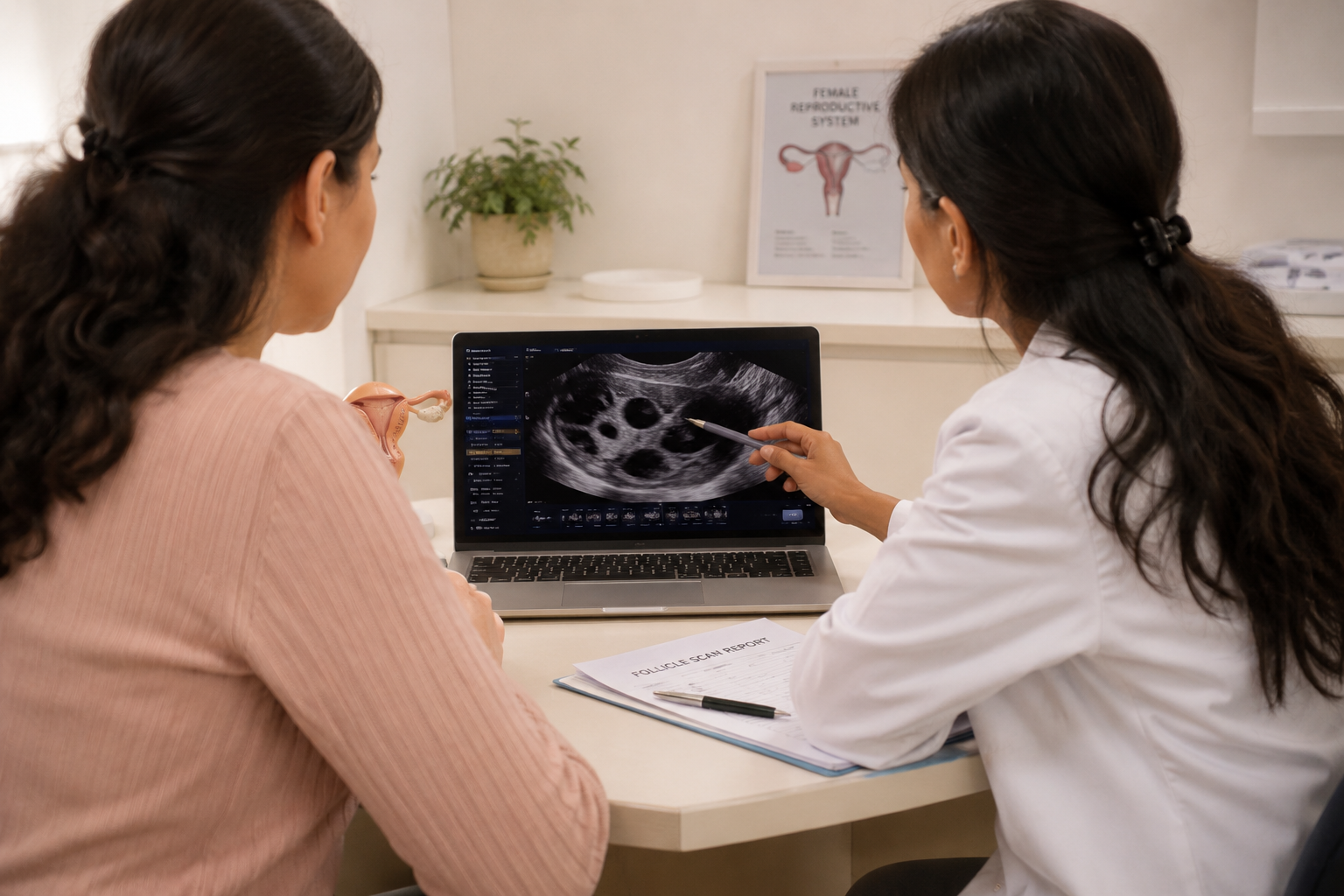
The doctor will ask about pregnancy dates, symptoms, bleeding, pain and relevant medical history. An examination and investigations may be recommended to confirm the diagnosis and rule out other causes, particularly ectopic pregnancy.
- Transvaginal ultrasound to assess the pregnancy and uterus
- Blood tests, including serial beta-hCG measurements when needed
- Urine testing or other investigations based on symptoms
- Repeat ultrasound or blood tests if the first assessment is too early or findings are uncertain
Treatment Options for Miscarriage
Treatment depends on the type of miscarriage, gestational age, bleeding, pain, signs of infection, ultrasound findings and the woman's preferences. When the diagnosis is confirmed and the woman is clinically stable, the doctor may discuss more than one appropriate option.
- Expectant management: Waiting for pregnancy tissue to pass naturally, with clear instructions and follow-up. This may take days or sometimes longer.
- Medical management: Prescribed medicines are used to help the uterus pass the pregnancy tissue. Timing, setting and follow-up depend on the clinical situation.
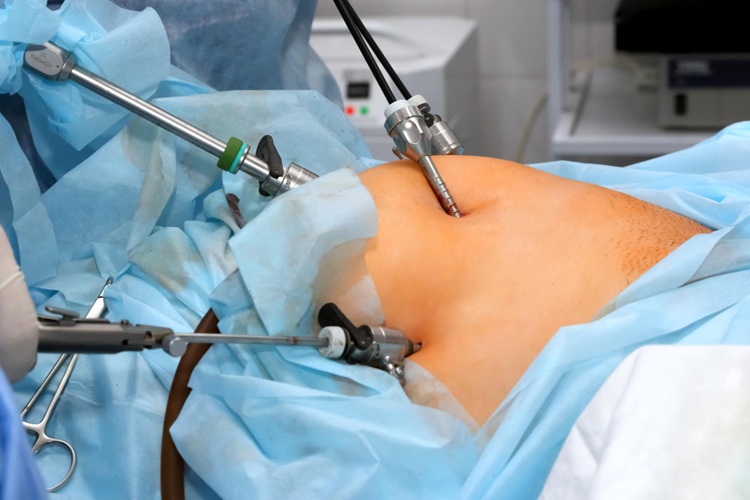
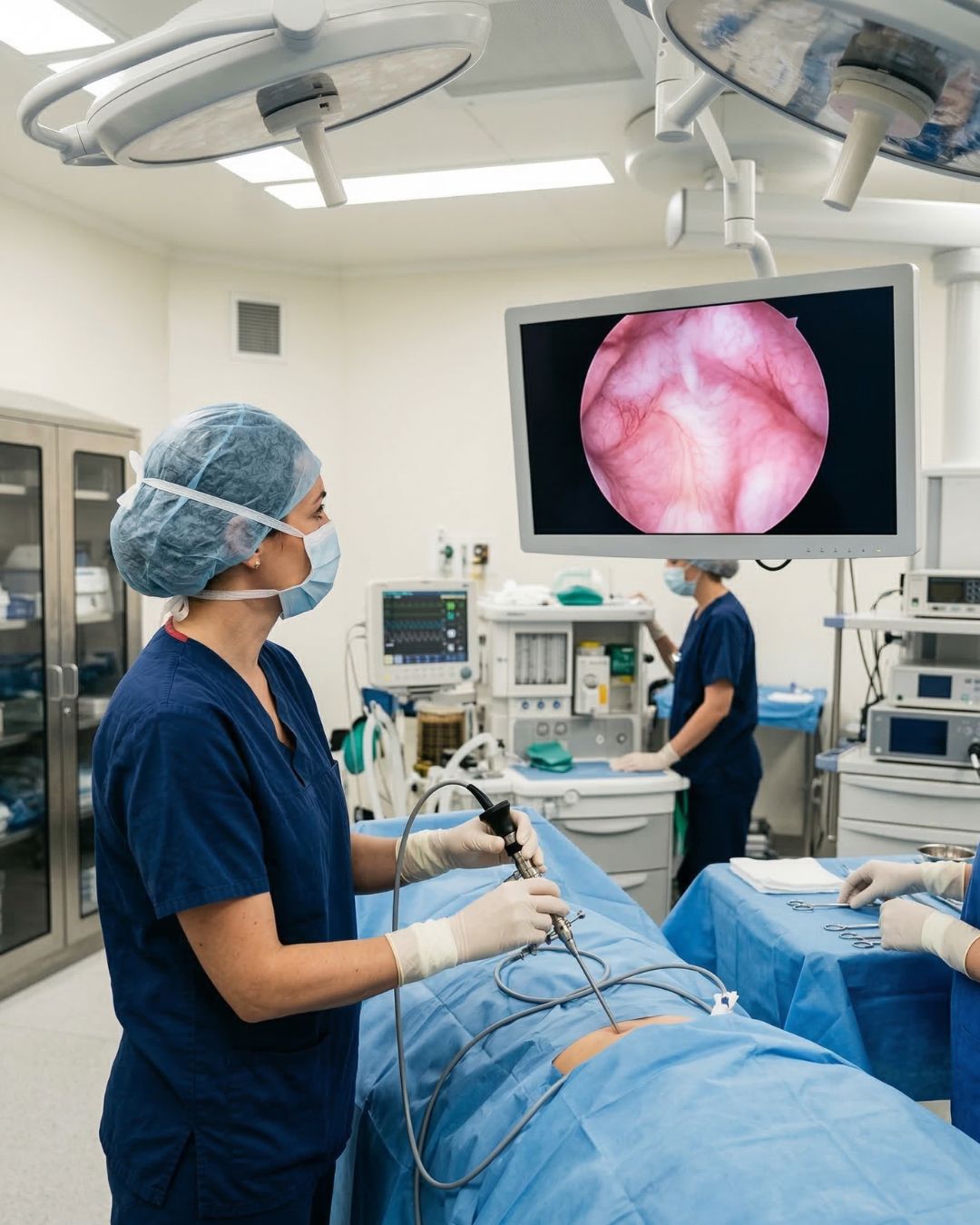
- Surgical management: A procedure, commonly suction evacuation, may be recommended for heavy or persistent bleeding, infection, retained tissue, certain medical concerns or a preference for quicker completion.
What to Expect During Recovery
After a miscarriage, bleeding and cramping may continue for a period of time and should gradually settle. The duration varies according to the stage of pregnancy and the treatment used. Your doctor will explain what amount of bleeding and discomfort is expected and when follow-up is needed.
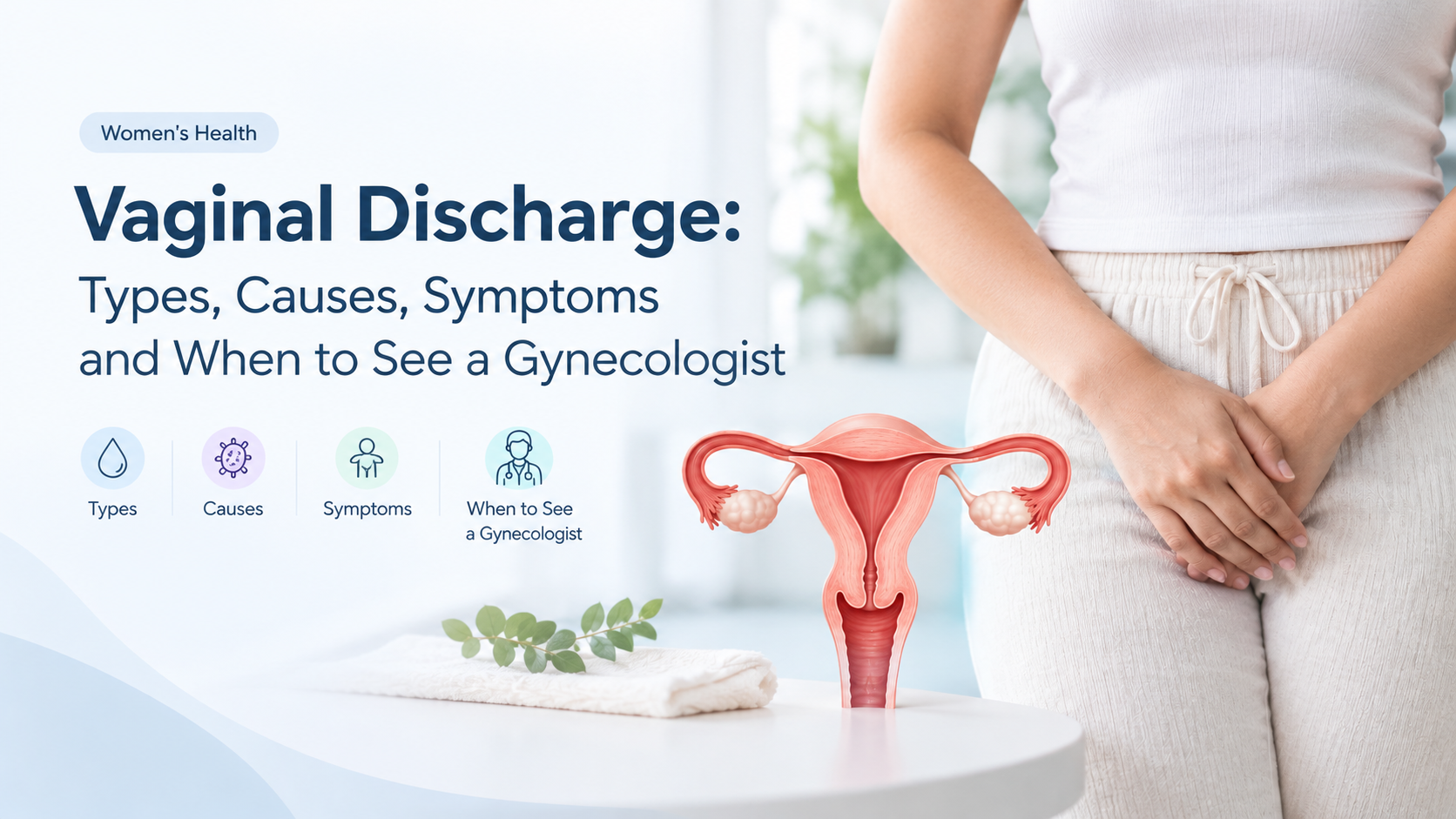
Seek medical advice if bleeding becomes heavy, pain worsens or is not relieved by recommended medication, fever develops, or vaginal discharge has an unpleasant smell. These may be signs of infection or retained pregnancy tissue.
Emotional Support After Pregnancy Loss
Miscarriage can bring sadness, shock, anxiety, guilt or a range of emotions. There is no single correct way to grieve, and emotional recovery may take longer than physical recovery. A miscarriage is usually not caused by anything the woman did, and she should not blame herself.
Support from a partner, trusted family member, counsellor or healthcare professional can help. If distress is persistent or overwhelming, speak with a doctor about appropriate emotional and mental health support.
Can You Have a Healthy Pregnancy After a Miscarriage?
Many women who experience a miscarriage go on to have a successful pregnancy in the future. The timing of trying again should be discussed with the treating doctor and should take into account physical recovery, the cause if known, any treatment received and emotional readiness.
If miscarriages happen repeatedly, your doctor may recommend an evaluation based on your individual history. This may include reviewing medical conditions, uterine factors and selected blood tests. Investigations are tailored rather than identical for every woman.
When Should You Consult an Obstetrician?
Contact an obstetrician if you experience bleeding, persistent cramps or unusual fluid leakage during pregnancy. Seek emergency care for heavy bleeding, severe pain, shoulder-tip pain, dizziness or fainting. After a diagnosed miscarriage, attend recommended follow-up and seek help if symptoms do not improve or you develop signs of infection.
Compassionate, timely care can help confirm the diagnosis, explain available options and support physical recovery and emotional wellbeing.
Resources
Common questions
What are the first signs of a miscarriage?
Vaginal bleeding or spotting is the most common warning sign. Lower abdominal cramps, back pain or passage of clots or tissue may also occur. These symptoms do not always mean miscarriage, so medical assessment is important.
Does bleeding in early pregnancy always mean miscarriage?
No. Light bleeding can occur in pregnancies that continue normally, but it can also be associated with miscarriage or ectopic pregnancy. Contact your healthcare professional, and seek emergency care if bleeding is heavy or accompanied by severe pain, shoulder pain, dizziness or fainting.
What is a missed miscarriage?
A missed miscarriage occurs when the pregnancy has stopped developing but the body has not yet passed the pregnancy tissue. There may be no obvious symptoms, and it is often detected during an ultrasound scan.
Can stress or normal physical activity cause a miscarriage?
Most early miscarriages occur because of developmental or chromosomal problems and are not caused by ordinary daily activities. A woman should not blame herself. Discuss specific medical concerns with the treating obstetrician.
What are the treatment options after a miscarriage?
Depending on the clinical situation, options may include waiting for the tissue to pass naturally, using prescribed medicines, or undergoing a suction procedure to remove remaining tissue. The safest option depends on symptoms, ultrasound findings, gestational age and the woman's preferences.
How long does it take to recover after a miscarriage?
Physical recovery varies. Bleeding and cramps usually settle gradually, but duration depends on the stage of pregnancy and treatment used. Emotional recovery is individual and may take longer. Seek review for heavy bleeding, fever, worsening pain or foul-smelling discharge.
Can I have a healthy pregnancy after a miscarriage?
Yes. Many women have a healthy pregnancy after experiencing a miscarriage. Your doctor can advise when it is appropriate to try again based on your recovery, medical history and any investigations that may be needed.
When should I seek emergency care after a suspected miscarriage?
Seek emergency care for heavy bleeding that quickly soaks a pad, severe abdominal pain, shoulder-tip pain, dizziness, fainting or significant weakness. These symptoms may indicate a serious problem such as heavy blood loss or ectopic pregnancy.