
Irregular periods mean your cycle is not following its usual pattern. Your period may come too early, too late, stop for months, become heavier, become lighter or vary a lot from cycle to cycle. One late period can happen because of stress, travel, illness or pregnancy. Repeated irregular periods need evaluation because they may point to PCOS, thyroid imbalance, fibroids, polyps, perimenopause or ovulation problems.
What is an irregular period?
A menstrual cycle is counted from the first day of one period to the first day of the next. Many cycles fall between 21 and 35 days. A small variation is common, but frequent changes, skipped periods or bleeding between periods should be checked.
Irregular periods are not only about date changes. Flow, duration, pain, clots and spotting also matter. A useful way to track this is to note the start date, number of bleeding days, flow level, pain, clots, discharge, medicines and pregnancy possibility.
Most common reasons for irregular periods
The reason depends on your age, pregnancy status, weight changes, stress level, medicines, contraception and symptoms. Some causes are temporary. Others need treatment.
Late period reason: when pregnancy is possible
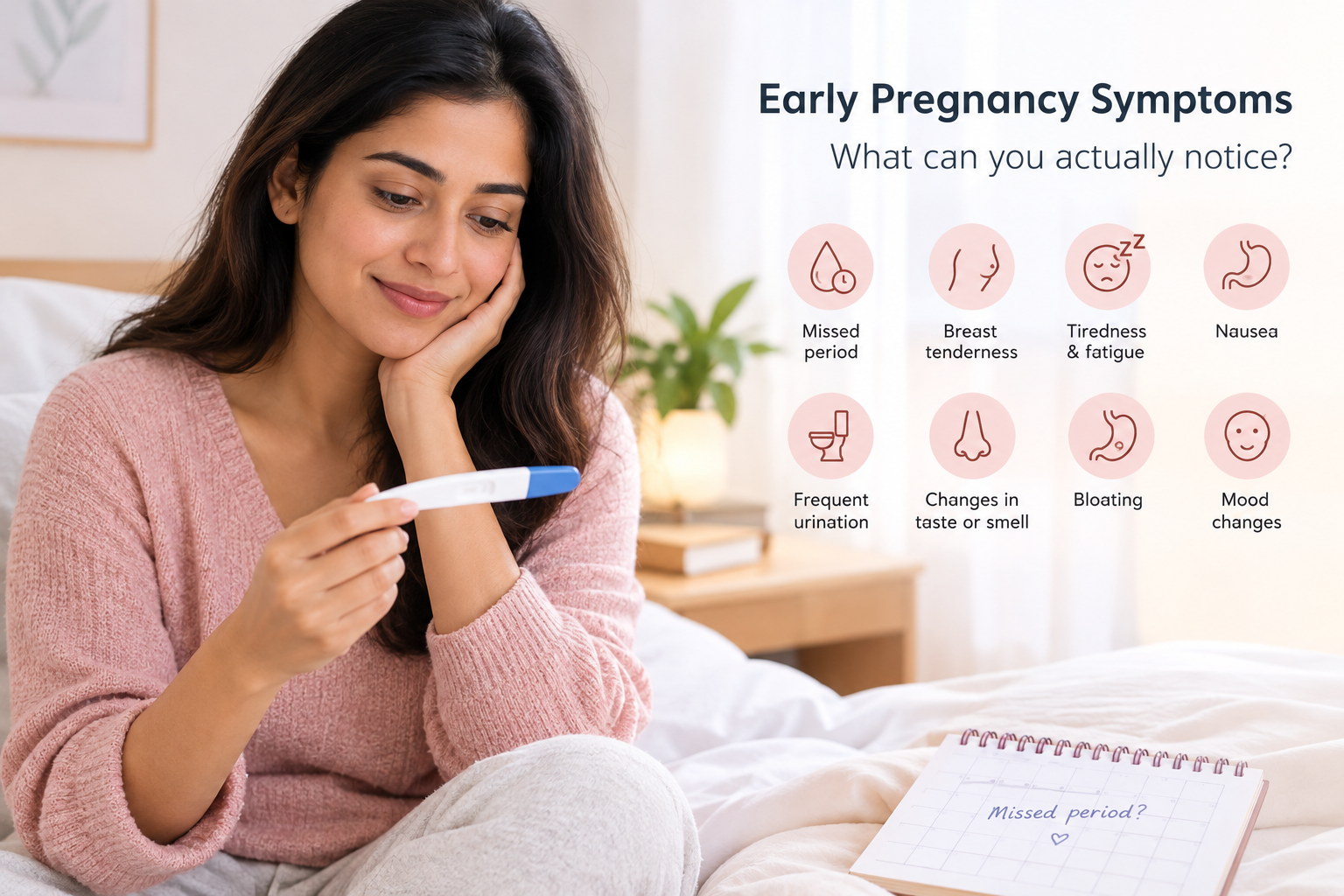
If you are sexually active and your period is late, pregnancy should be ruled out first. A home urine pregnancy test is usually the first step. If the test is negative but your period still does not come, repeat testing or a blood test may be needed.
Do not assume every late period is PCOS or stress. Pregnancy, ectopic pregnancy and early miscarriage can also cause delayed bleeding, spotting or pain.

PCOS and irregular periods
PCOS is one of the common reasons for irregular periods in younger women. It can cause delayed periods, acne, facial hair growth, weight gain, oily skin or difficulty conceiving. Some women have lean PCOS and may not gain weight.
PCOS does not mean the same treatment for everyone. The plan depends on whether your priority is regular cycles, acne control, weight management, fertility or long-term metabolic health.
Thyroid, prolactin and hormone imbalance
Thyroid problems can make periods heavy, light, delayed or irregular. High prolactin can also disturb ovulation and periods. These causes are often missed if only ultrasound is done.
A gynecologist may advise blood tests such as thyroid profile, prolactin, CBC, pregnancy test and other hormone tests based on symptoms. Testing should be guided by your history, not done randomly.
When irregular bleeding may be from the uterus
Fibroids, polyps and adenomyosis can cause heavy bleeding, prolonged periods, spotting between periods or pain. These are structural causes, which means the uterus itself needs evaluation.
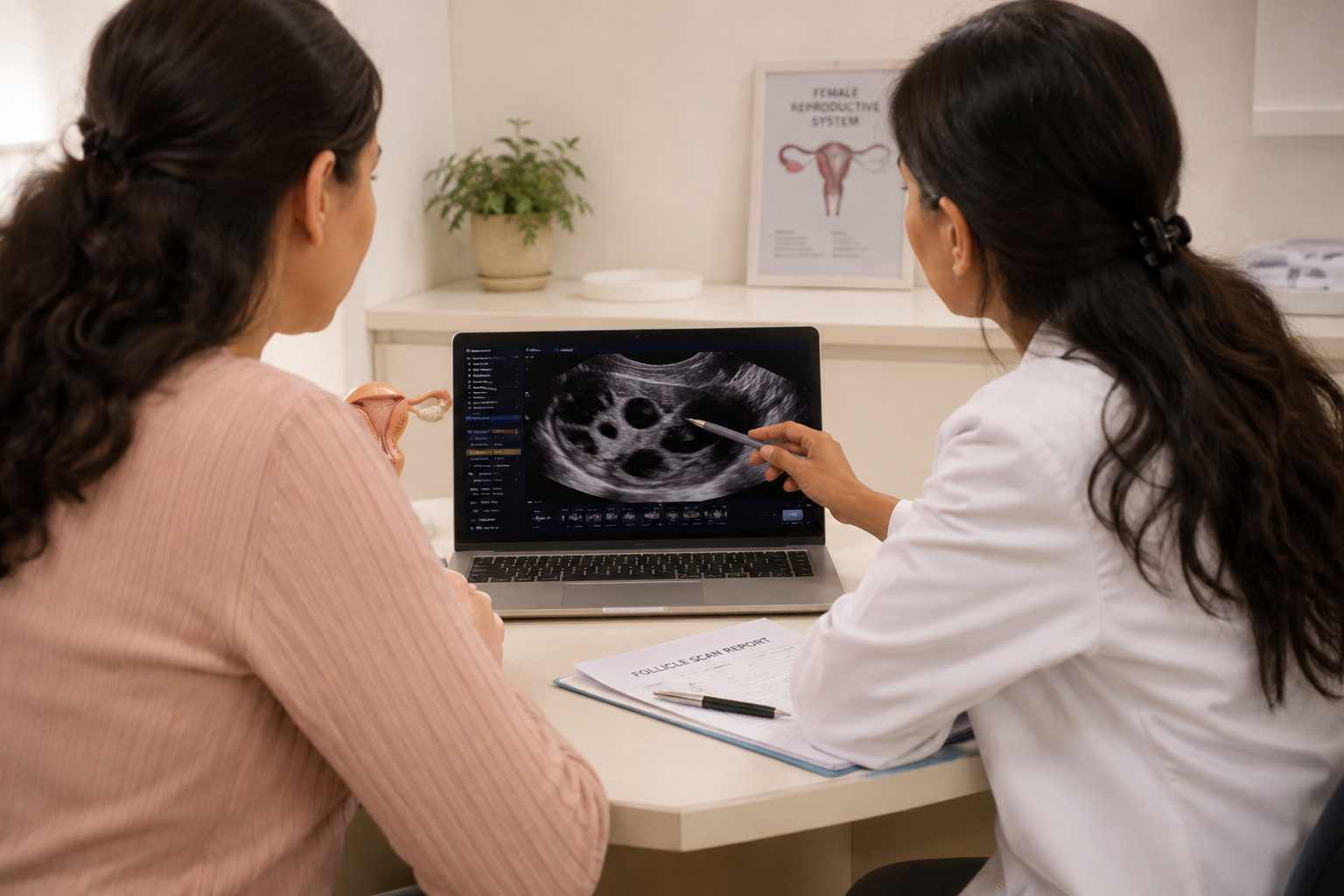
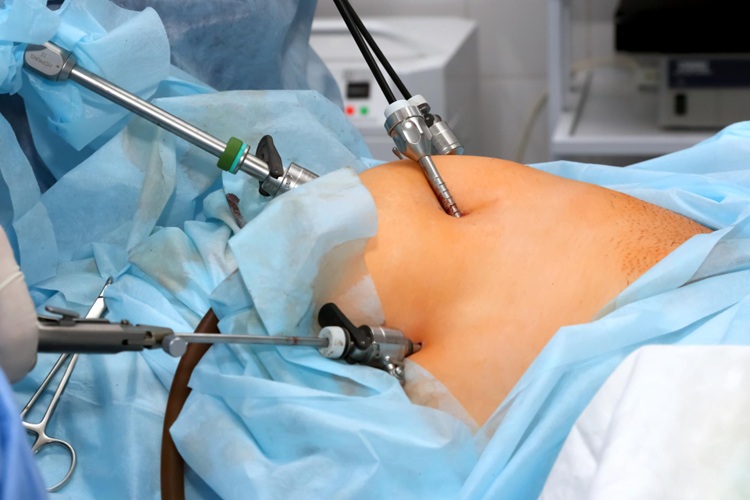
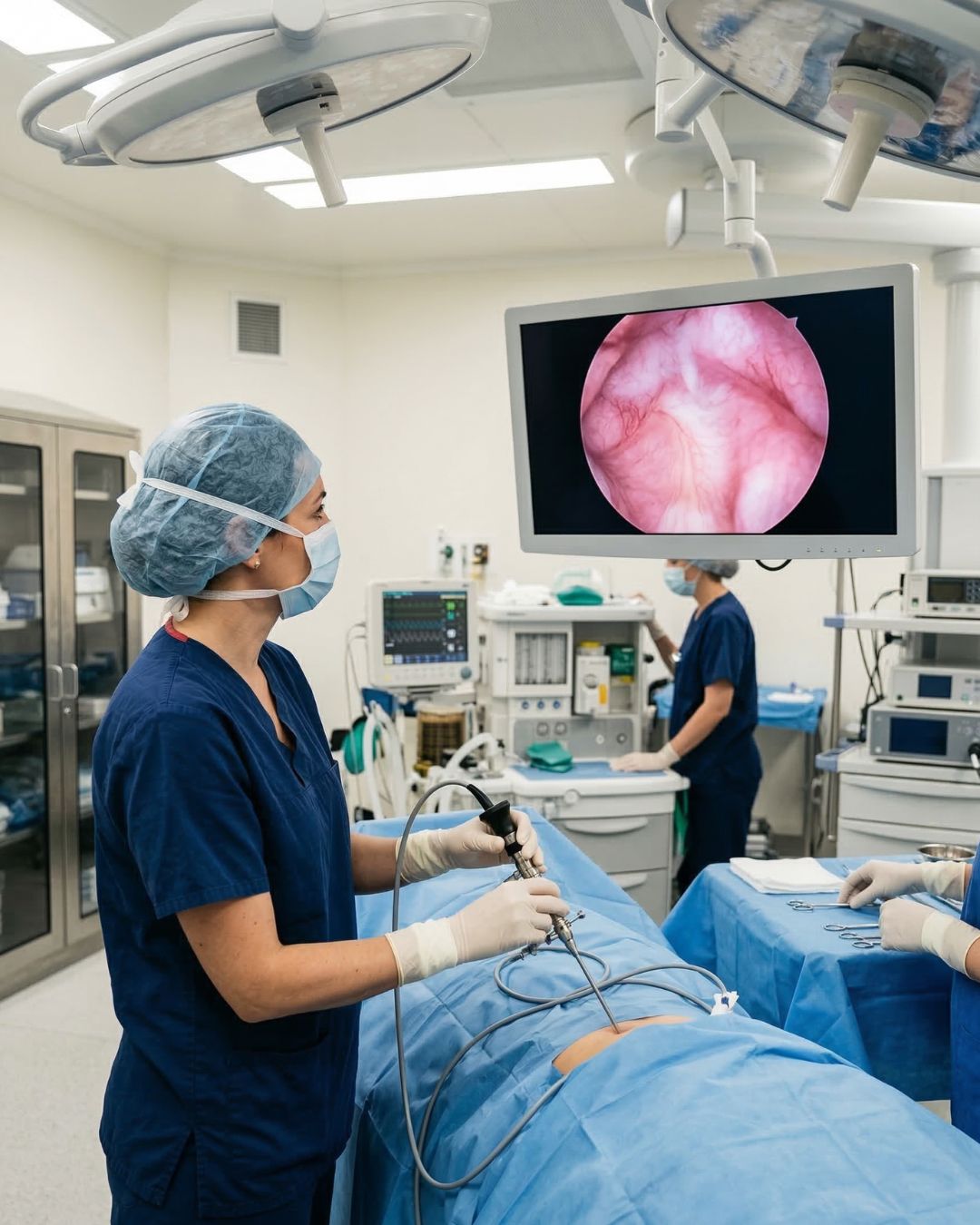
Ultrasound is often the first imaging test. If bleeding suggests a problem inside the uterine cavity, hysteroscopy may be advised because it allows direct viewing of the inside of the uterus.
Irregular periods after emergency pill or contraception
Emergency contraceptive pills can shift the next period. Hormonal pills, injections, implants and intrauterine systems can also change bleeding patterns. Some women get spotting. Some get lighter periods. Some skip periods.
Still, do not blame contraception automatically if you have severe pain, very heavy bleeding, pregnancy possibility or bleeding after sex. These need medical review.
When should you see a gynecologist?
Book a visit if your periods are irregular for more than 2 to 3 cycles, your period stops for 3 months, bleeding is very heavy, you bleed between periods, you bleed after sex, pain is worsening or you are trying to conceive.
At Raheja Clinic, Dr Tripti Raheja evaluates irregular periods with a practical plan. The visit may include cycle history, pregnancy testing, hormone tests, ultrasound and treatment based on the cause. If you are searching for the best gynecologist in Delhi for irregular periods, bring your last 3 to 6 cycle dates and any previous reports.
Resources
Common questions
What is the most common reason for irregular periods?
Common reasons include pregnancy, stress, weight change, PCOS, thyroid problems, hormonal contraception and perimenopause. The most likely reason depends on your age, symptoms and cycle pattern.
How many days late can a period be?
A period can be a few days late because of stress, travel, illness or routine changes. If you are sexually active, take a pregnancy test when your period is late.
Can stress delay periods?
Yes. Stress can affect the brain hormones that control ovulation. This can delay ovulation and make the period arrive late.
Can PCOS cause irregular periods?
Yes. PCOS can disturb ovulation and cause delayed, skipped or unpredictable periods. It may also cause acne, facial hair growth, weight changes or difficulty conceiving.
Can thyroid problems affect periods?
Yes. Both underactive and overactive thyroid can affect menstrual cycles. Your doctor may advise thyroid testing if periods are irregular, heavy, light or delayed.
When should I worry about irregular periods?
See a gynecologist if irregular periods continue for more than 2 to 3 cycles, stop for 3 months, become very heavy, or come with severe pain. Bleeding between periods or after sex should also be checked.
Can irregular periods affect pregnancy chances?
Yes. Irregular periods can mean ovulation is not happening regularly. This can make timing intercourse harder and may reduce fertility chances in some women.
What tests are done for irregular periods?
Tests may include a pregnancy test, CBC, thyroid profile, prolactin, hormone tests and ultrasound. Hysteroscopy may be advised if bleeding suggests a problem inside the uterine cavity.
Can irregular periods become normal again?
Yes, if the cause is temporary, such as stress, sudden weight change or recent emergency pill use. If the cause is PCOS, thyroid imbalance, fibroids or polyps, treatment should be based on the diagnosis.