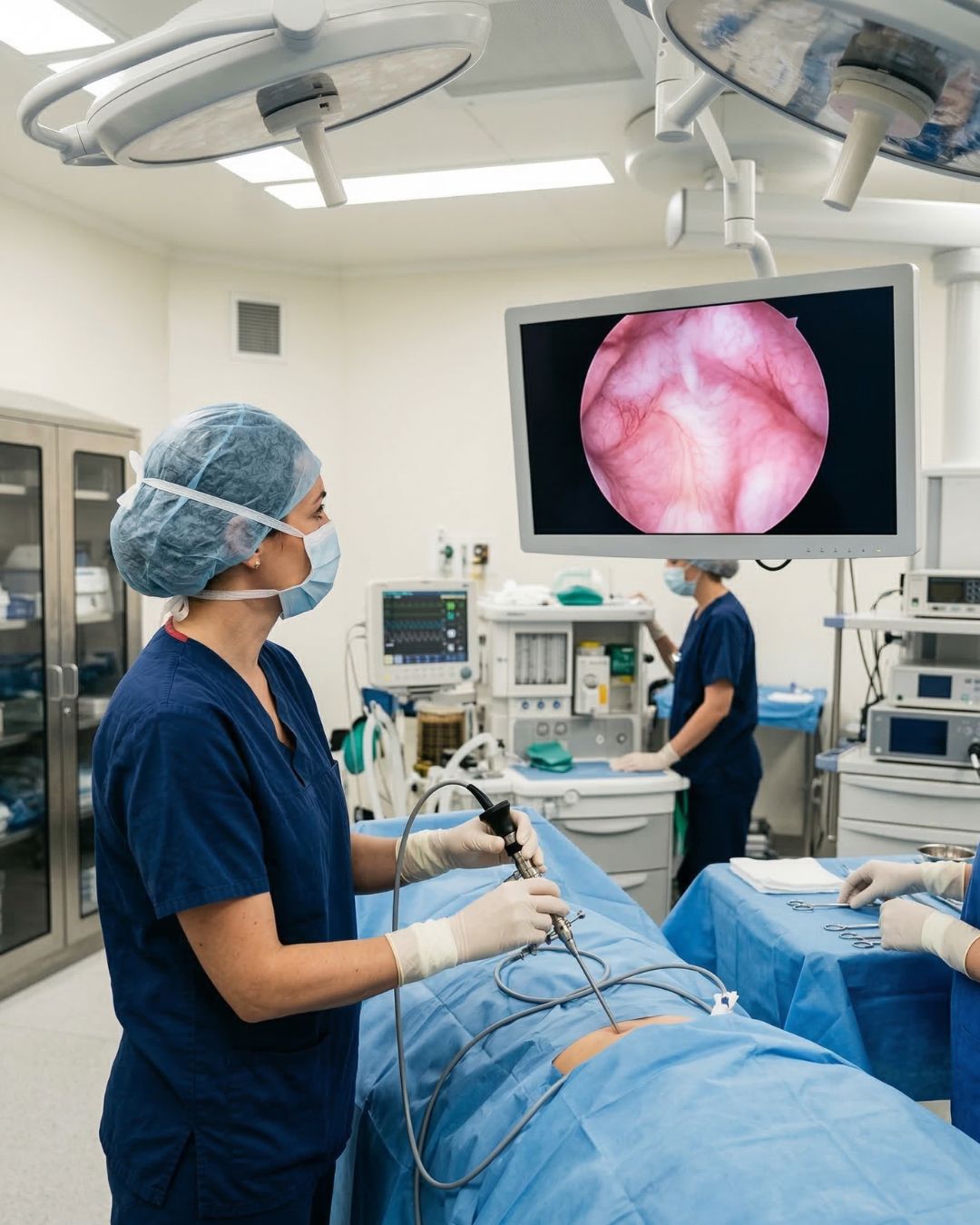

Fallopian tubes play an essential role in natural conception. They provide the pathway through which an egg travels after ovulation and are usually where fertilisation takes place. When one or both tubes become blocked or damaged, conception may become more difficult. Blocked fallopian tubes are an important cause of female infertility, but the diagnosis does not automatically mean pregnancy is impossible. Understanding the location and severity of the blockage helps a fertility specialist determine whether further testing, surgery or assisted reproductive treatment may be appropriate.
What Are Fallopian Tubes and Why Are They Important?
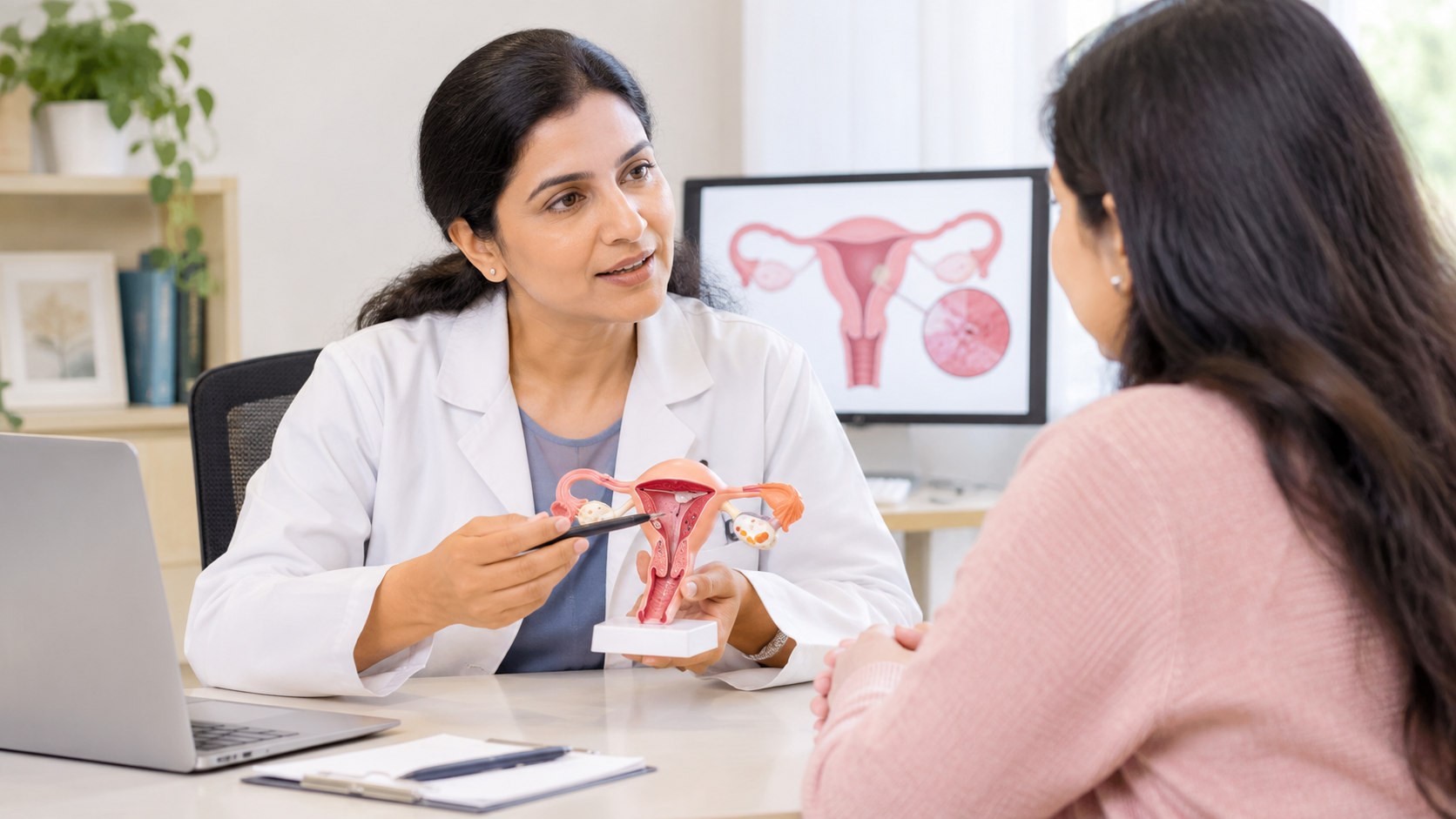
Fallopian tubes are two narrow structures connecting the area around the ovaries with the uterus. After ovulation, the tube helps capture the released egg. Sperm travel through the reproductive tract to reach the egg, and fertilisation usually occurs inside the fallopian tube.
The fertilised egg then travels towards the uterus, where it may implant and develop into a pregnancy. A healthy, functioning tube supports this process through its structure, movement and internal lining.
If a tube is blocked, severely damaged or affected by adhesions, the egg and sperm may not meet normally. A blockage near the uterus is called proximal tubal blockage, while a blockage closer to the ovary is called distal tubal blockage. One or both tubes may be affected.
What Causes Blocked Fallopian Tubes?
Tubal blockage may develop after inflammation, infection, surgery or conditions affecting the pelvis. Sometimes the cause is not immediately clear, and further evaluation is needed to understand the extent of the damage.
Pelvic inflammatory disease (PID), including infections associated with chlamydia or gonorrhoea, can cause inflammation and scarring in the fallopian tubes. Previous ectopic pregnancy, pelvic or abdominal surgery, and endometriosis may also contribute to tubal damage or adhesions.
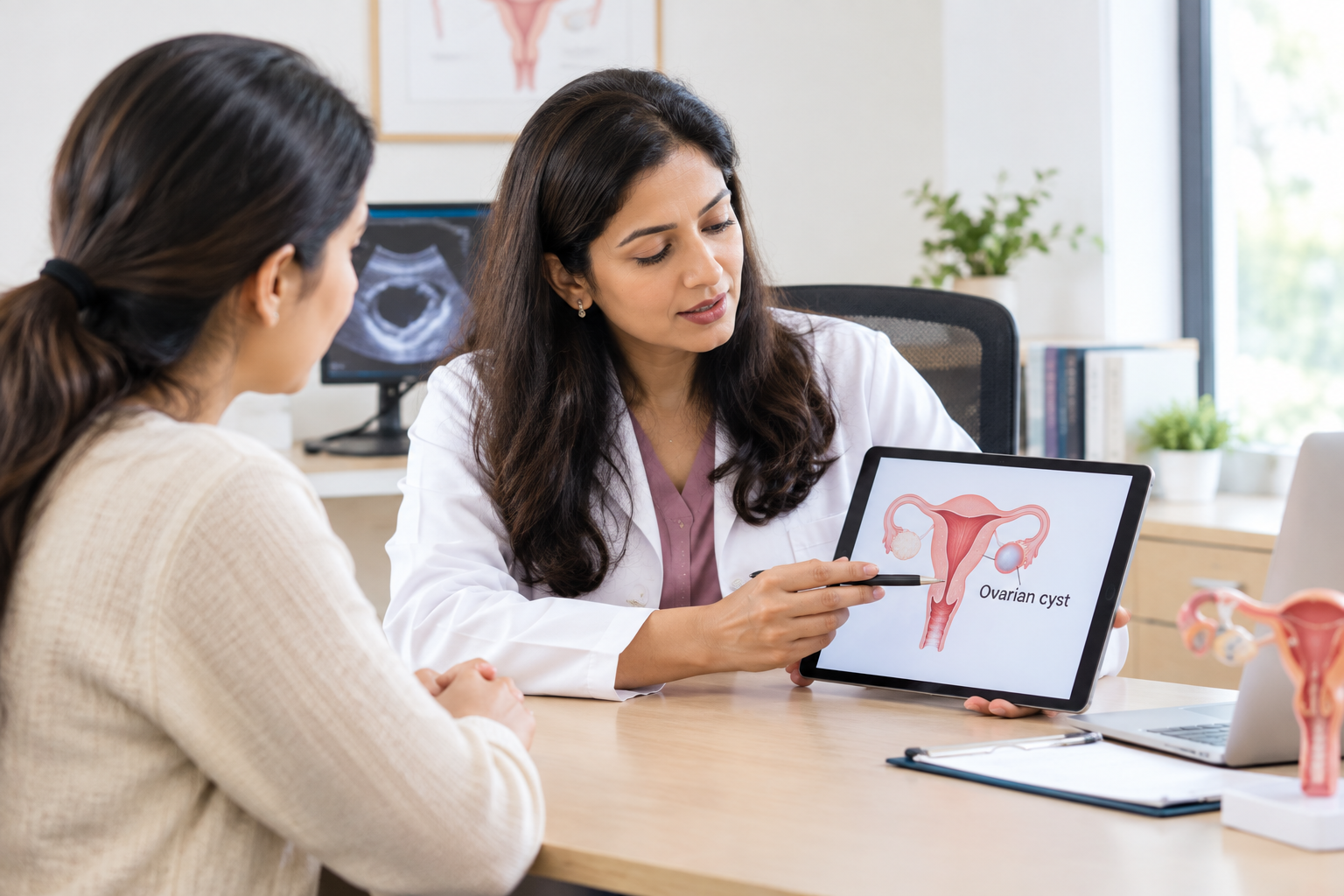
Hydrosalpinx is a condition in which a damaged fallopian tube becomes filled with fluid. It commonly develops after previous infection or pelvic inflammation and can affect fertility. Other causes of tubal abnormalities may include adhesions following surgery or severe pelvic disease.
A history of pelvic infection or surgery can increase the likelihood of tubal problems, but it does not confirm that a blockage is present. Testing is required to assess tubal patency.
Symptoms of Blocked Fallopian Tubes
Many women with blocked fallopian tubes do not experience obvious symptoms. Difficulty conceiving may be the first indication that a tubal problem needs investigation.
Some women may experience pelvic discomfort, pain during certain activities or periods, or symptoms associated with the underlying condition, such as endometriosis or previous pelvic infection. Hydrosalpinx may occasionally cause persistent pelvic pain or unusual vaginal discharge.
Blocked tubes themselves do not always cause pain or changes in menstrual cycles. Regular periods also do not guarantee that both fallopian tubes are open.
Because symptoms are often absent, women experiencing difficulty conceiving may benefit from an appropriate fertility evaluation rather than relying on symptoms alone.
How Do Blocked Fallopian Tubes Affect Pregnancy?
If one fallopian tube is open and functioning normally, natural conception may still be possible, depending on other fertility factors. However, pregnancy chances can be affected if the remaining tube is damaged or other reproductive concerns are present.
When both tubes are completely blocked, the egg and sperm cannot meet through the normal route, making natural conception extremely difficult or impossible without treatment that restores tubal function or bypasses the tubes.
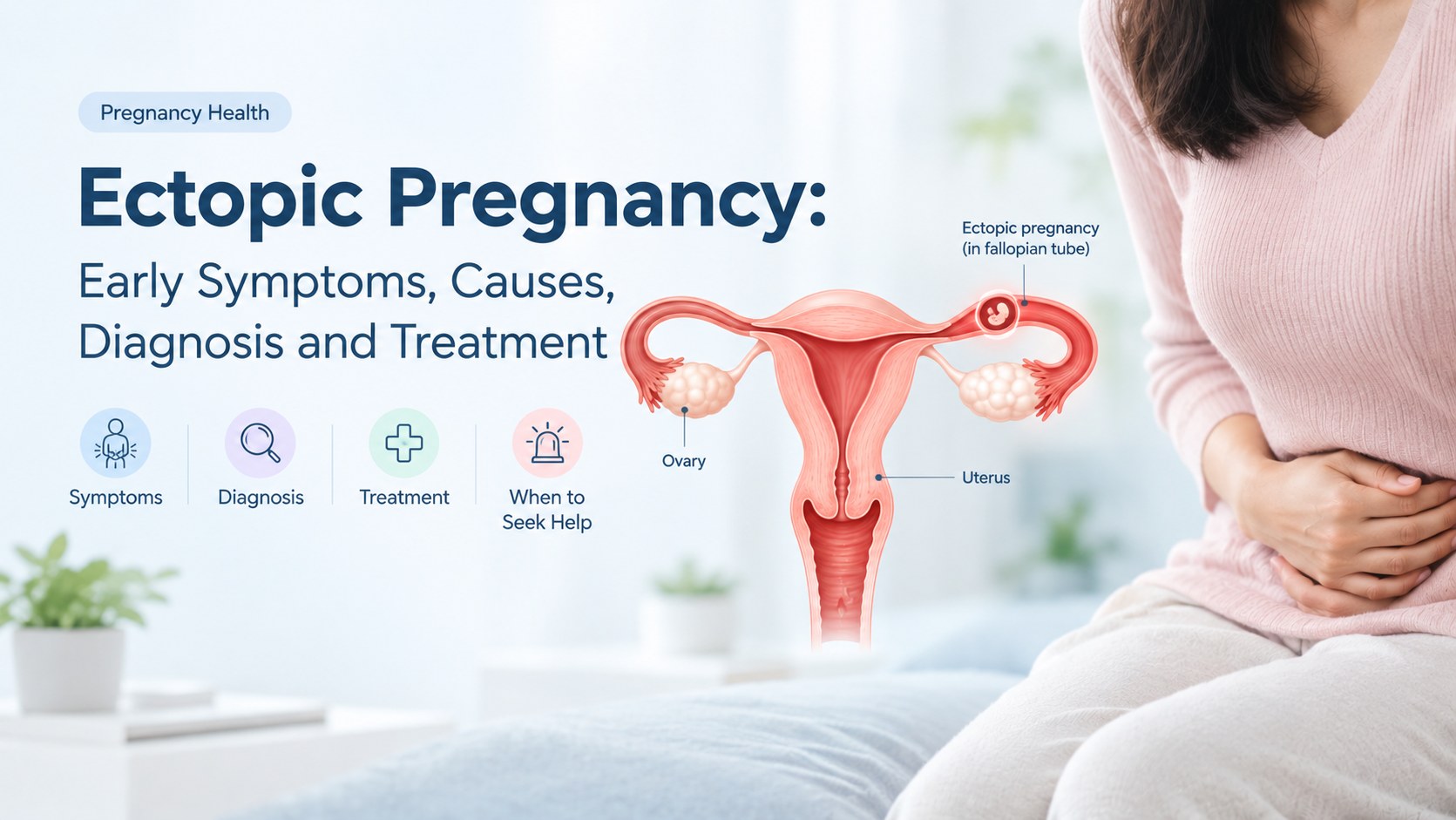
Damaged tubes may also increase the risk of ectopic pregnancy, in which a fertilised egg implants outside the uterus, commonly in a fallopian tube. Ectopic pregnancy requires urgent medical assessment and treatment.
The effect on fertility depends on whether the blockage is partial or complete, unilateral or bilateral, and whether the tubes have additional damage.
How Are Blocked Fallopian Tubes Diagnosed?
A fertility evaluation usually begins with medical history, menstrual history, previous pregnancies, pelvic infections, surgeries and other factors affecting conception. The clinician may recommend imaging or procedures to assess the uterus and fallopian tubes.
Hysterosalpingography (HSG) is a commonly used test for assessing tubal patency. During this procedure, contrast material is introduced through the cervix into the uterus while X-ray images are taken. If the tubes are open, contrast can pass through them and spill into the pelvic cavity. If it does not pass normally, a blockage or abnormality may be suspected.
HSG can also provide information about the shape of the uterine cavity. It is usually scheduled after menstruation and before ovulation, and it should not be performed if pregnancy is suspected or certain contraindications are present.
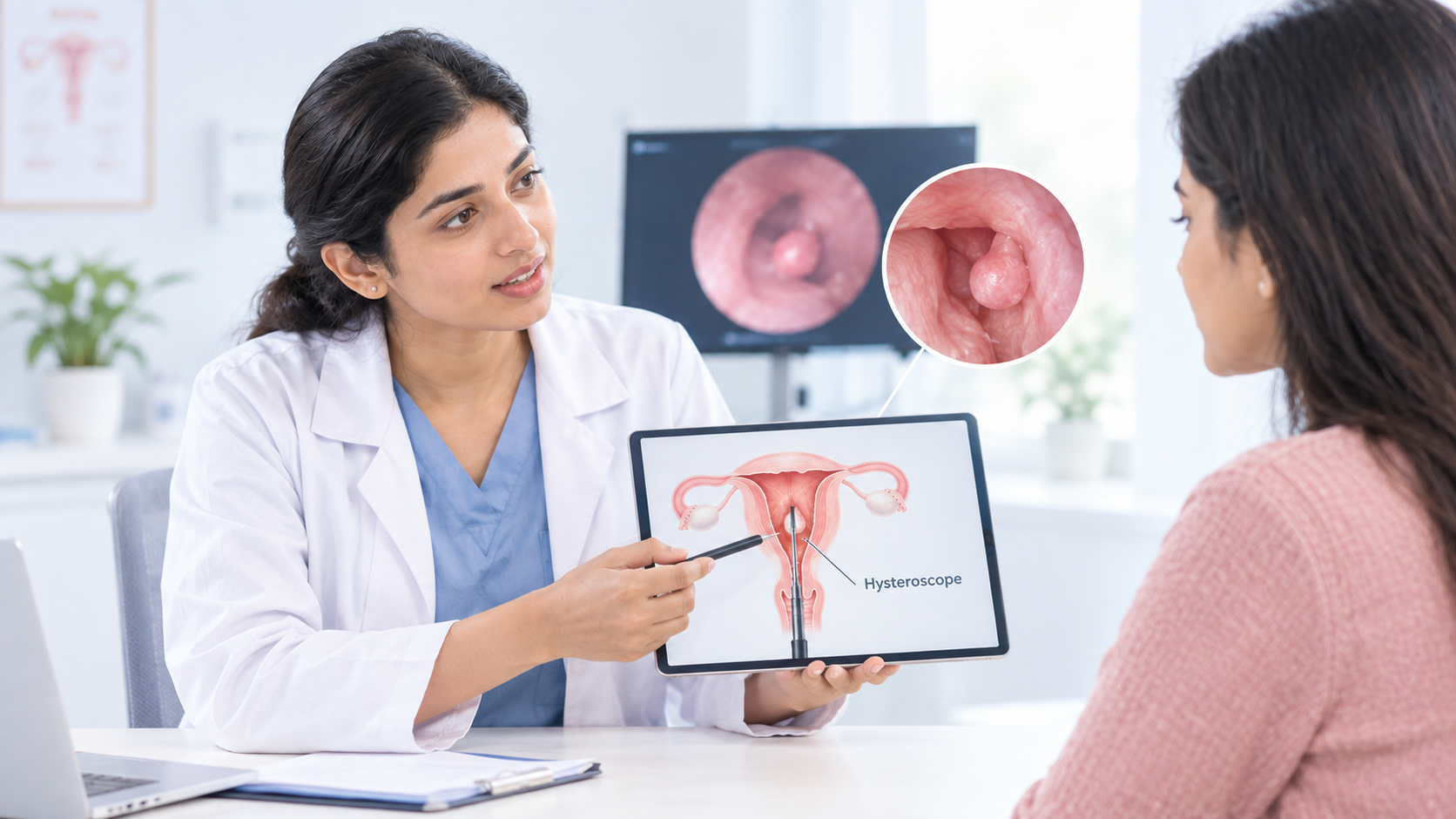
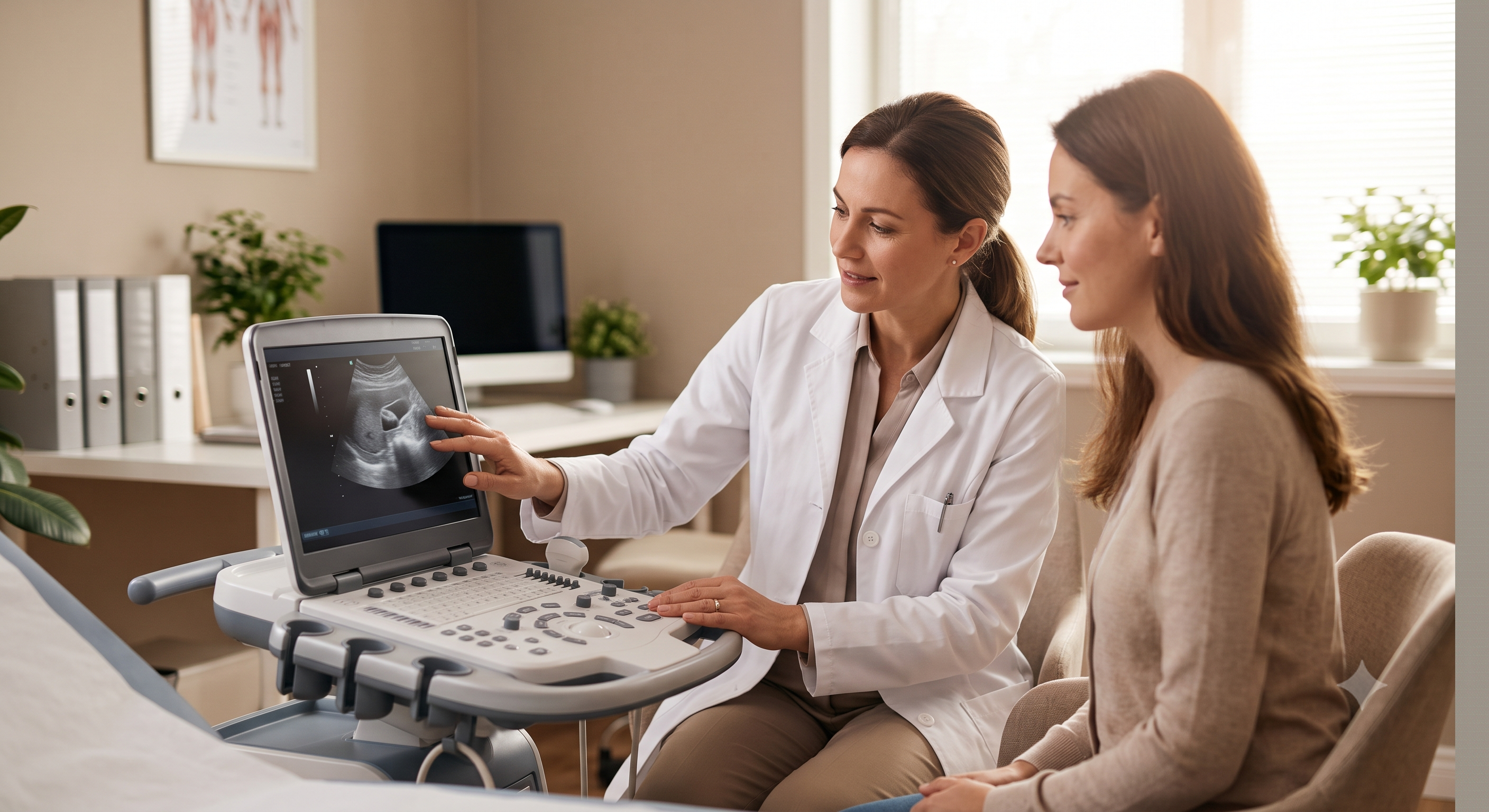
Another option is hysterosalpingo-contrast sonography (HyCoSy), which uses ultrasound and contrast to assess tubal patency. In selected cases, laparoscopy with dye testing may be recommended to directly evaluate the pelvis and tubes.
An apparent blockage on HSG does not always mean permanent obstruction. Temporary tubal spasm or technical factors can sometimes affect the result, especially near the uterine end of the tube. A fertility specialist may recommend additional evaluation before deciding on treatment.
What Is Hydrosalpinx?
Hydrosalpinx occurs when a fallopian tube becomes enlarged and filled with fluid, usually because the tube is damaged or its drainage is obstructed. Previous pelvic infection, endometriosis, surgery or adhesions may contribute to its development.
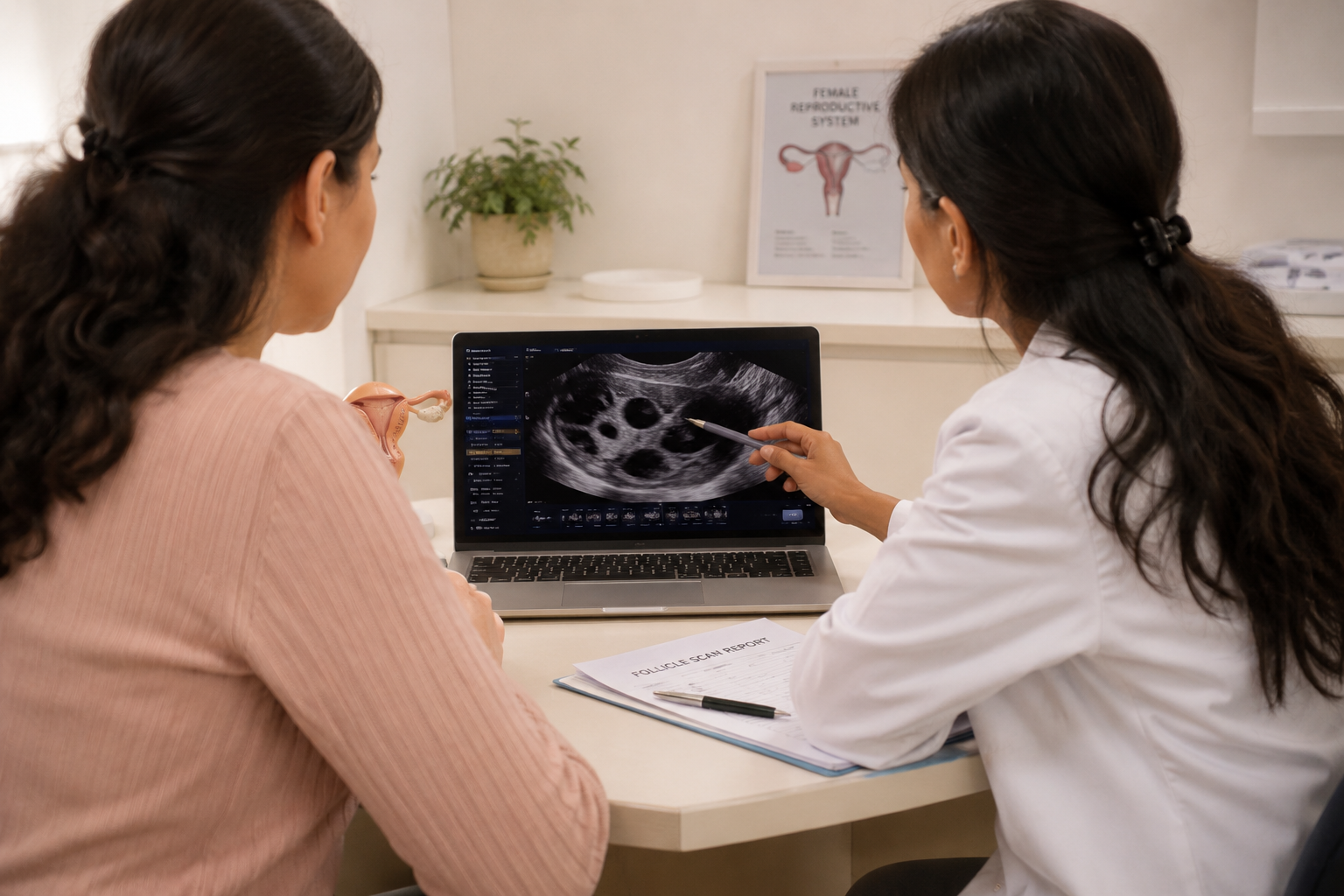
Some women with hydrosalpinx have no noticeable symptoms, while others experience pelvic discomfort or fertility difficulties. It may be detected during an ultrasound or HSG performed as part of an infertility evaluation.
Hydrosalpinx is important in fertility treatment because fluid from the affected tube may enter the uterine cavity and interfere with implantation. In women preparing for IVF, a fertility specialist may recommend treating the hydrosalpinx before embryo transfer to improve the treatment environment.
The appropriate approach depends on the severity of tubal damage, symptoms, fertility goals and the overall treatment plan.
Treatment Options for Blocked Fallopian Tubes
Treatment is individualised according to the site of blockage, extent of damage, age, ovarian reserve, other fertility factors and pregnancy goals. Not every tubal blockage requires surgery, and not every tube can be successfully repaired.
For selected women with a suitable proximal blockage, tubal cannulation may be considered. This procedure uses specialised instruments or a catheter to attempt to open the affected section of the tube. It is not suitable for every type of tubal disease.
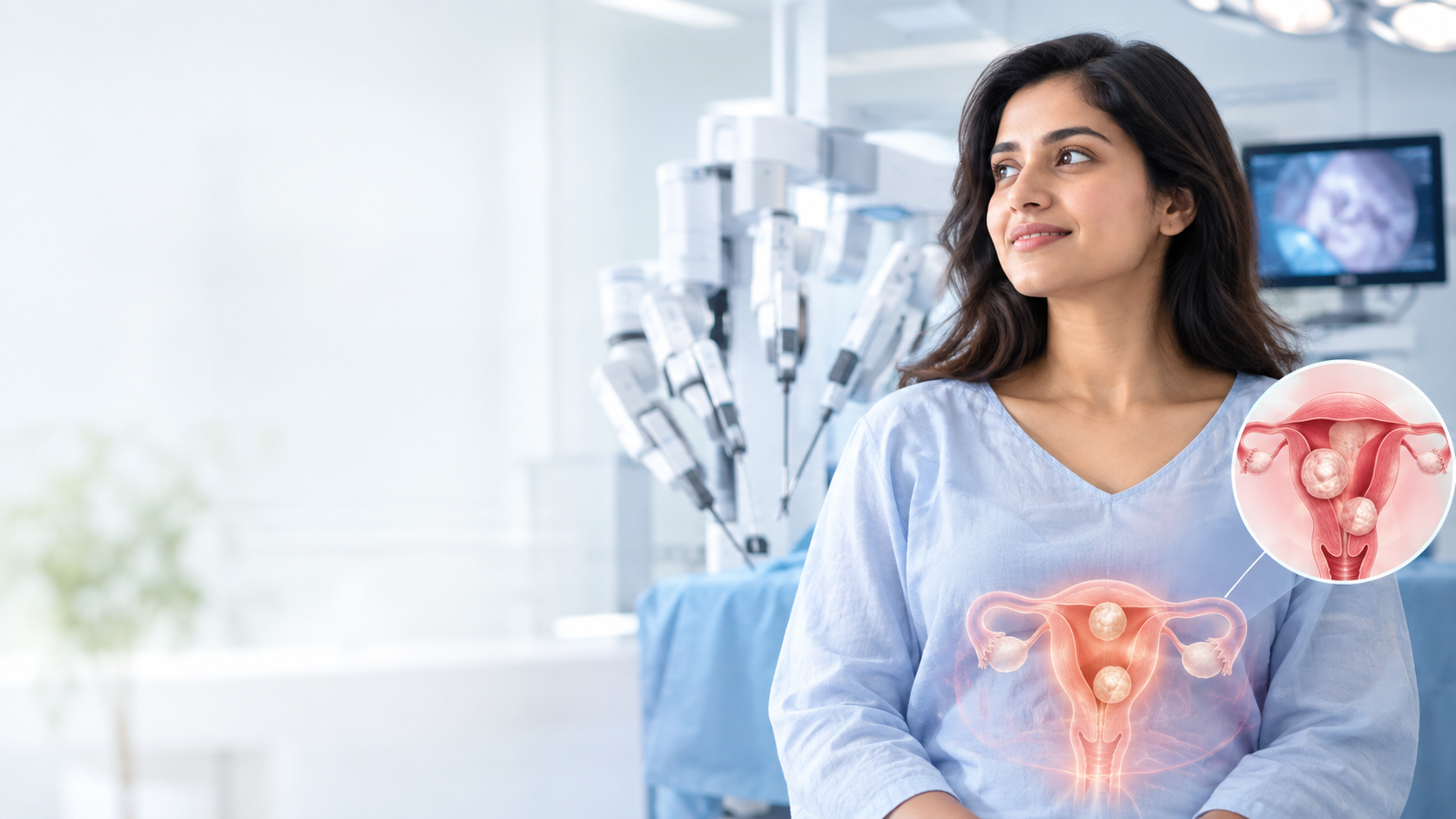
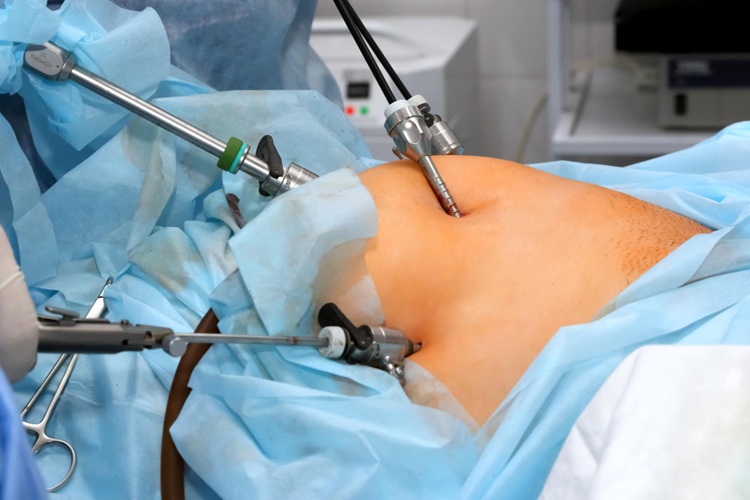
Laparoscopic surgery may be considered in selected cases to address adhesions or certain tubal abnormalities. The potential benefits need to be weighed against surgical risks, the severity of existing damage and the possibility of an ectopic pregnancy after tubal surgery.
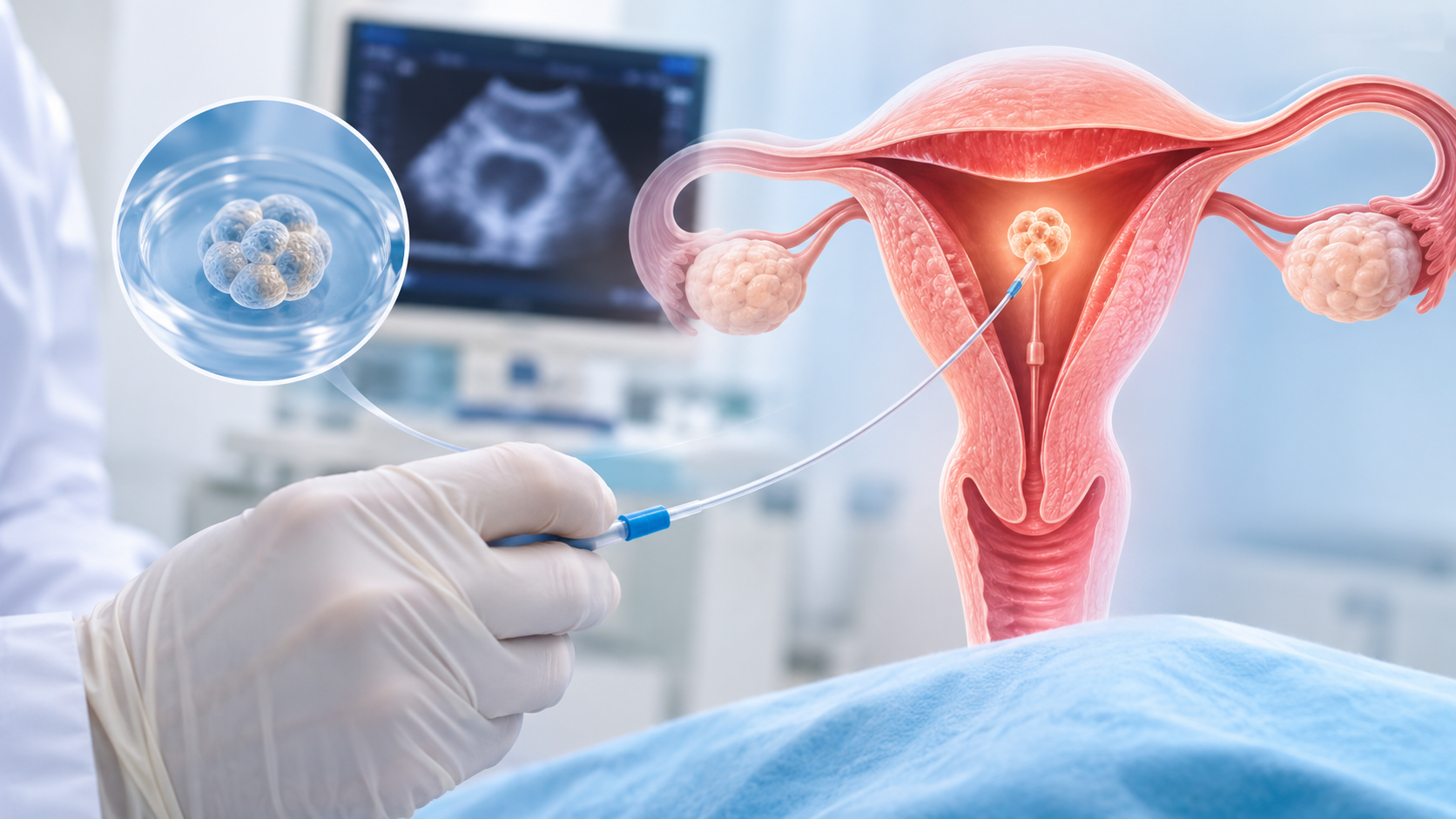
When the tubes are severely damaged or completely blocked, in vitro fertilisation (IVF) may be recommended. IVF bypasses the fallopian tubes by fertilising eggs in a laboratory and transferring an embryo into the uterus. The treatment plan should be discussed with a fertility specialist after a complete evaluation.
If hydrosalpinx is present, a specialist may recommend removal of the affected tube or separating it from the uterus before IVF, depending on individual circumstances.
Can You Get Pregnant With Blocked Fallopian Tubes?
Pregnancy may still be possible when one tube is open and functioning, although individual chances depend on several factors. If both tubes are completely blocked, natural conception is generally not possible through the usual pathway.
Fertility treatment can provide options even when tubal damage is significant. Depending on the diagnosis, treatment may involve tubal procedures, surgery or IVF.
The most appropriate option cannot be determined from an HSG report alone. Age, ovarian reserve, sperm parameters, uterine health, previous pregnancies and the severity of tubal disease should all be considered together.
A personalised fertility consultation helps clarify the diagnosis, realistic treatment options and next steps.
When Should You Consult a Fertility Specialist?
Consider a fertility consultation if you have been trying to conceive without success, particularly if you have a history of pelvic inflammatory disease, ectopic pregnancy, endometriosis or pelvic surgery.
An evaluation is generally recommended after 12 months of regular unprotected intercourse for women younger than 35, after 6 months for women aged 35 or older, and earlier when known fertility risk factors are present or the woman is over 40.
Early evaluation can help identify tubal problems and other factors affecting conception. A fertility specialist can recommend appropriate testing and explain whether natural conception, surgery or assisted reproductive treatment may be suitable.
Conclusion
Blocked fallopian tubes can affect natural conception, but the diagnosis does not mean every pregnancy option is closed. The impact depends on whether one or both tubes are affected and how much damage is present.
HSG and other investigations help assess tubal health, while treatment may range from selected tubal procedures to IVF. Early, individualised fertility evaluation can help identify the most appropriate path towards pregnancy.
Resources
- Hysterosalpingogram (HSG)American Society for Reproductive Medicine (ASRM)
- HysterosalpingographyAmerican College of Obstetricians and Gynecologists (ACOG)
- HydrosalpinxAmerican Society for Reproductive Medicine (ASRM)
- Guideline for the Prevention, Diagnosis and Treatment of InfertilityWorld Health Organization (WHO)
Common questions
Can blocked fallopian tubes cause infertility?
Yes. Blocked or severely damaged fallopian tubes can prevent the egg and sperm from meeting, making natural conception difficult or impossible. The effect depends on whether one or both tubes are affected and how much damage is present.
What is a suitable test to check for blocked fallopian tubes?
Hysterosalpingography (HSG) is commonly used to assess whether fallopian tubes are open. HyCoSy and, in selected cases, laparoscopy with dye testing may also be recommended. The choice depends on medical history and clinical findings.
Can I get pregnant naturally if one fallopian tube is blocked?
Natural conception may still be possible if the other tube is open and functioning normally. However, individual fertility also depends on ovulation, sperm health, age and other reproductive factors.
Can both blocked fallopian tubes be treated?
Treatment depends on the location and severity of blockage. Selected cases may be suitable for tubal procedures or surgery, while IVF may be recommended for severe tubal damage or complete bilateral blockage.
Does HSG always give an accurate result?
HSG is useful for assessing tubal patency, but temporary spasm or technical factors can sometimes make a tube appear blocked. If results are unclear, a fertility specialist may recommend further evaluation.
What is hydrosalpinx and how does it affect IVF?
Hydrosalpinx is a fluid-filled, damaged fallopian tube. Fluid may enter the uterus and negatively affect implantation. Treatment of hydrosalpinx before IVF may be recommended in selected cases.
Can IVF work if both fallopian tubes are blocked?
Yes. IVF bypasses the fallopian tubes by fertilising eggs in a laboratory and transferring an embryo into the uterus. It may be an appropriate option when both tubes are completely blocked or severely damaged.
When should I consult a fertility specialist?
Consider a fertility evaluation after 12 months of trying if younger than 35, after 6 months if aged 35 or older, or earlier if you have known risk factors such as previous pelvic infection, ectopic pregnancy, endometriosis or pelvic surgery.