
Heavy periods that seem to get worse every year. Cramps that are no longer controlled by the painkiller that used to work. A feeling of heaviness or pressure in the lower abdomen that keeps returning around your period. These symptoms are often blamed on fibroids, endometriosis or simply "bad periods," but another condition can cause almost exactly the same pattern: adenomyosis. The confusing part is that adenomyosis, endometriosis and uterine fibroids can all cause painful periods, heavy bleeding and pelvic pain, and some women have more than one of them at the same time. The important difference is where the abnormal tissue is growing. That difference changes what appears on a scan, how fertility may be affected, and which treatment is likely to help.
What adenomyosis actually is
Adenomyosis happens when tissue similar to the lining of the uterus grows into the muscular wall of the uterus itself. Normally, the endometrium sits inside the uterine cavity. In adenomyosis, endometrial-like tissue is found deeper inside the uterine muscle, called the myometrium.
That tissue continues responding to hormonal changes during the menstrual cycle. The surrounding muscle can become thicker and more tender, and over time the uterus may become enlarged. This is why an ultrasound report may describe a "bulky uterus" or "globular uterus" when adenomyosis is present.
This is different from endometriosis, where similar tissue grows outside the uterus, and from fibroids, which are separate benign growths made from uterine muscle. The names are often used together because the symptoms overlap, but they are three different conditions.
The adenomyosis symptoms worth paying attention to
Not every woman with adenomyosis has symptoms. Some find out only because it appears on an ultrasound done for another reason. When it does cause trouble, the most recognisable pattern is periods that become progressively heavier or more painful rather than staying roughly the same year after year.
- Heavy menstrual bleeding, sometimes with large clots
- Periods that last longer than they used to
- Severe menstrual cramps that interfere with work or normal activities
- Pelvic pain beginning before the period and continuing through it
- A deep aching or pressure in the lower abdomen even outside the period
- A feeling of heaviness, fullness or persistent bloating in the lower abdomen
- Pain during intercourse
- An enlarged or tender uterus
- Tiredness, weakness or dizziness when repeated heavy bleeding causes iron-deficiency anaemia
What adenomyosis pain actually feels like
There is no single adenomyosis pain pattern. For some women it feels like unusually strong menstrual cramping centred deep in the lower abdomen. For others it is a heavy, dragging ache or pressure that starts before the period and takes several days to settle.
As the condition becomes more symptomatic, the pain may stop being limited to the period itself. Some women notice pelvic aching, lower back discomfort or pressure at other points in the cycle as well.
The useful question is not whether your pain matches someone else's description. It is whether your own pattern is changing. If periods that used to be manageable are becoming progressively heavier, longer or more painful, that deserves an evaluation rather than simply moving to stronger painkillers every few months.
Adenomyosis vs endometriosis: the simplest way to tell the difference
The names sound similar because both conditions involve tissue resembling the uterine lining, but the location is completely different.
In adenomyosis, the tissue is inside the muscular wall of the uterus. In endometriosis, similar tissue grows outside the uterus, commonly around the ovaries, fallopian tubes, pelvic lining and sometimes other nearby structures.
Both can cause severe period pain, pelvic pain, pain during intercourse and fertility problems. That overlap is why symptoms alone cannot always tell you which condition is present, and some women genuinely have both.
- Very heavy or prolonged periods are particularly common with adenomyosis
- Adenomyosis can make the uterus enlarged, tender or bulky
- Endometriosis may cause severe pain even when menstrual bleeding itself is not particularly heavy
- Pain with bowel movements or urination around the period points more strongly towards endometriosis
- Endometriosis can form ovarian endometriomas, often called chocolate cysts
- Both conditions can affect fertility and can exist in the same patient
Adenomyosis vs fibroids: why the symptoms can look almost identical
Fibroids are another condition commonly confused with adenomyosis. Both can cause very heavy bleeding, strong cramps, pelvic pressure, anaemia and an enlarged uterus.
The structural difference is important. A fibroid is a defined benign growth made from smooth muscle and connective tissue. It may grow within the uterine wall, push into the uterine cavity or project towards the outside of the uterus.
Adenomyosis usually does not form one clearly separated lump. Instead, the affected part of the uterine muscle becomes thickened and abnormal. On ultrasound a fibroid is often visible as a distinct mass, whereas adenomyosis may appear as uneven thickening or more diffuse changes through the muscle.
The two can also exist together. Finding fibroids on an ultrasound therefore does not automatically mean that those fibroids explain every bit of pain or heavy bleeding.
What causes adenomyosis?
There is still no single proven explanation for why adenomyosis develops. Several theories exist, including movement of endometrial tissue into the uterine muscle, changes that begin earlier in development, and disruption of the boundary between the uterine lining and muscle after pregnancy or uterine procedures.
It has traditionally been diagnosed more often in women in their thirties and forties and in women who have previously given birth, although improved ultrasound and MRI techniques mean adenomyosis is now being recognised in younger women as well.
Adenomyosis is not something you caused by eating the wrong food, exercising too little or doing something incorrectly. Lifestyle changes may help some symptoms, but they do not explain why the condition developed.
Is adenomyosis dangerous?
Adenomyosis is a benign condition. It is not itself uterine cancer, and an ultrasound showing adenomyosis does not mean that the tissue has become cancerous.
The real problems come from what severe symptoms can do over time. Repeated heavy bleeding can lead to iron-deficiency anaemia, leaving you exhausted, weak, dizzy or short of breath. Persistent pelvic pain can interfere with sleep, work, exercise, travel and relationships.
So the useful question is not simply whether adenomyosis is dangerous. It is whether your bleeding or pain has reached a point where leaving it untreated is affecting your health or daily life.
Adenomyosis and pregnancy
Having adenomyosis does not mean you cannot become pregnant. Many women with the condition conceive naturally and have healthy pregnancies.
There is, however, evidence linking adenomyosis with reduced fertility and with some pregnancy complications, including miscarriage and preterm birth. How much it matters for one individual woman is difficult to predict because age, ovarian reserve, fibroids and endometriosis may also be affecting fertility at the same time.
This changes the treatment conversation. The right plan for a woman trying to conceive soon may be very different from the plan for someone whose main goal is controlling severe bleeding. If pregnancy is part of your future plans, mention it before starting treatment rather than afterwards.
How adenomyosis is diagnosed
Diagnosis starts with the pattern of your symptoms: how heavy the bleeding is, when the pain occurs, whether it is getting worse, and whether there are fertility concerns. A pelvic examination may show that the uterus is enlarged or tender.
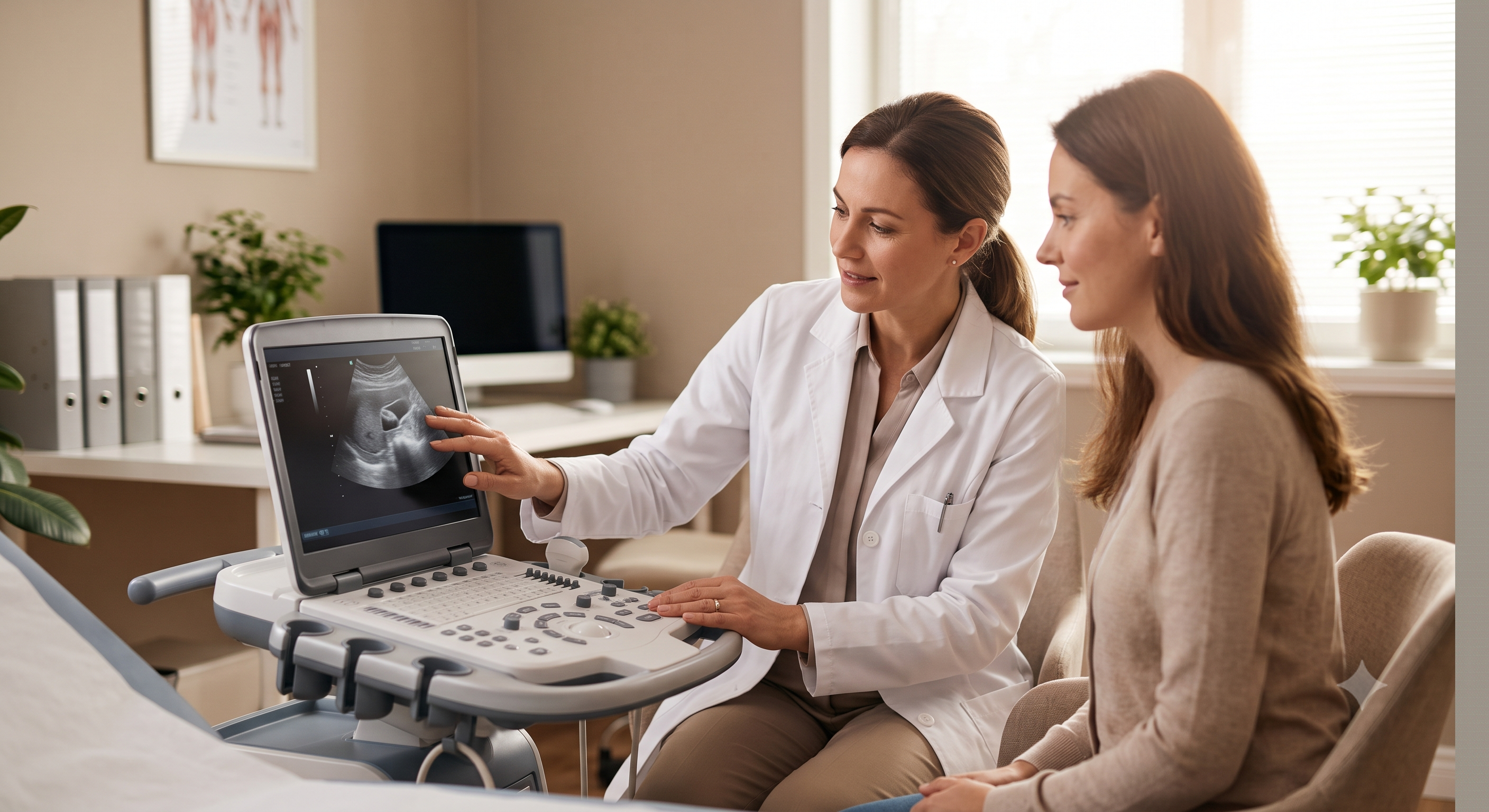
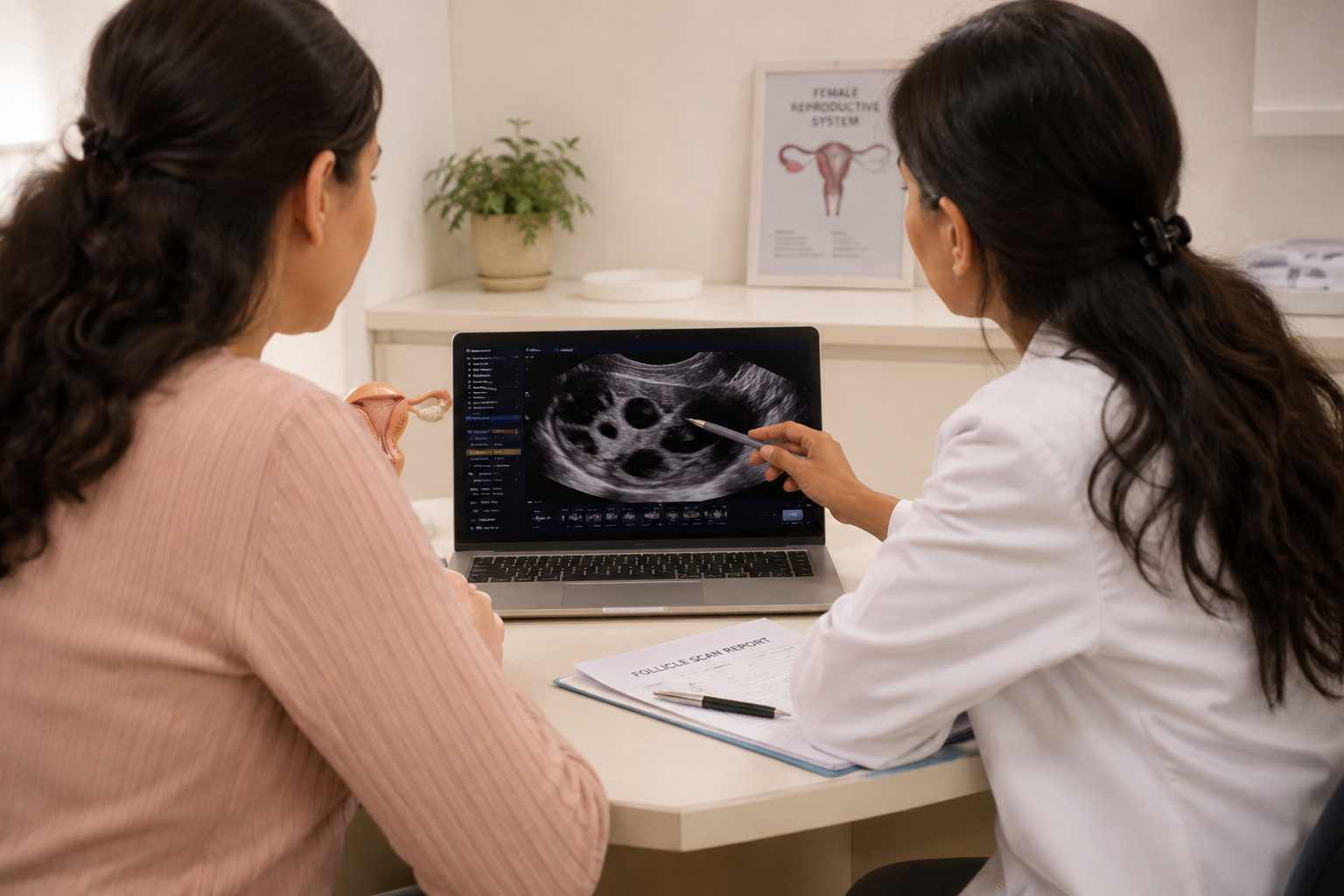
A transvaginal ultrasound is usually the first imaging test. It can identify changes in the uterine muscle that suggest adenomyosis while also checking for fibroids, ovarian cysts and other causes of pelvic symptoms.
MRI can help when the ultrasound is unclear, when adenomyosis needs to be separated from fibroids, or when more detailed information would change treatment planning.
One scan should not be treated as the whole diagnosis. A mild imaging finding in a woman with no symptoms means something very different from the same finding in someone with severe bleeding, anaemia and disabling period pain.
Adenomyosis treatment without surgery
A diagnosis of adenomyosis does not automatically mean surgery. Treatment is based on the symptoms that are actually causing trouble, your age, the severity of the condition and whether future pregnancy matters.
Anti-inflammatory medicines can help with period pain. Medicines that reduce menstrual bleeding may be useful when heavy periods are the main problem. Hormonal treatment can also reduce both pain and bleeding.
A levonorgestrel-releasing intrauterine system such as Mirena is commonly used for symptomatic adenomyosis and can substantially reduce menstrual bleeding and cramps in many women. Other options include progestogen treatment or combined hormonal contraception, depending on your medical history and fertility plans.
For many women, controlling symptoms well enough that adenomyosis stops interfering with daily life is a more useful goal than treating an ultrasound finding simply because it is there.
Can adenomyosis be cured?
Medicines and hormonal treatment can control adenomyosis symptoms very effectively, but they do not physically remove the abnormal tissue from the uterine muscle.
Symptoms often improve after menopause because adenomyosis is influenced by reproductive hormones.
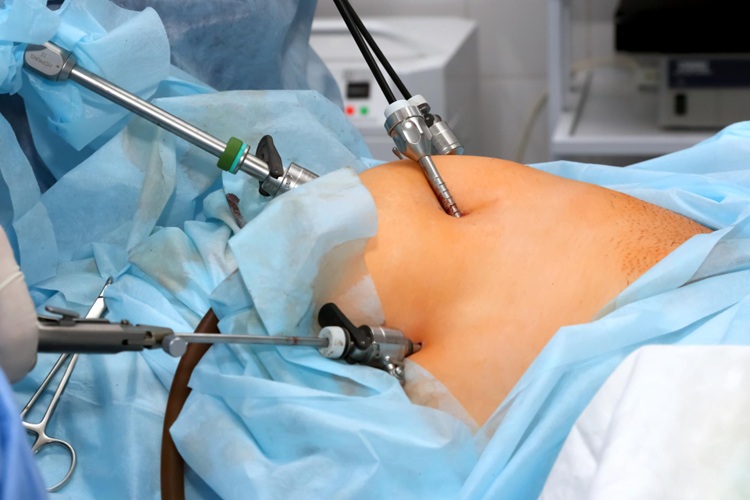
For a woman with severe symptoms who has completed her family and has not improved despite appropriate medical treatment, hysterectomy is the definitive treatment because the affected uterus itself is removed. That does not mean hysterectomy is the normal first step. Most women should discuss less invasive options first.
When to see a gynecologist
Book an appointment if your periods are becoming progressively heavier or more painful, if you regularly pass large clots, if painkillers no longer control your cramps, or if pelvic pressure and bloating continue outside your period.
You should also be evaluated if an ultrasound report mentions adenomyosis or a bulky uterus and you have significant symptoms, if repeated bleeding is making you tired or dizzy, or if adenomyosis has been found while you are trying to conceive.
If you are searching for one of the best gynecologists in Delhi for adenomyosis, heavy periods or pelvic pain, look for a doctor experienced in separating adenomyosis from overlapping conditions such as endometriosis and fibroids, because the right treatment depends on identifying what is actually causing the symptoms.
At Raheja Clinic, Dr Tripti Raheja evaluates adenomyosis alongside other causes of painful or heavy periods using the symptom pattern, examination and appropriate ultrasound or MRI findings, with fertility goals considered before choosing treatment. If you have previous ultrasound or MRI reports, bring them with you so changes over time can be compared rather than relying on a single scan.
Common questions
What are the main symptoms of adenomyosis?
The most common symptoms are heavy or prolonged periods, severe menstrual cramps, pelvic pain, a feeling of pressure or heaviness in the lower abdomen and pain during intercourse. Some women have adenomyosis without symptoms and only discover it when an ultrasound is performed for another reason.
What is the difference between adenomyosis and endometriosis?
In adenomyosis, endometrial-like tissue grows inside the muscular wall of the uterus. In endometriosis, similar tissue grows outside the uterus around structures such as the ovaries, fallopian tubes or pelvic lining. They can cause similar symptoms, and some women have both conditions at the same time.
Are adenomyosis and fibroids the same thing?
No. Fibroids are defined benign growths made from uterine muscle, while adenomyosis involves endometrial-like tissue growing within the uterine muscle. Both can cause heavy periods, cramps, pelvic pressure and enlargement of the uterus, which is why imaging is often needed to distinguish them.
Is adenomyosis dangerous?
Adenomyosis is a benign condition and is not itself cancer. Severe symptoms can still cause significant problems through heavy bleeding, iron-deficiency anaemia and chronic pelvic pain, so symptoms affecting daily life should be evaluated.
Can adenomyosis be cured?
Medication and hormonal treatment can control adenomyosis symptoms but do not physically remove the condition from the uterine muscle. Hysterectomy is the definitive treatment, but it is generally reserved for severe symptoms when other treatments have not worked and future pregnancy is no longer desired.
Can adenomyosis be treated without surgery?
Yes. Many women are treated without surgery using anti-inflammatory medicines, medicines to reduce menstrual bleeding and hormonal treatments such as a levonorgestrel-releasing intrauterine system. The right option depends on the severity of symptoms, your medical history and whether you want future pregnancy.
Can I get pregnant if I have adenomyosis?
Yes. Many women with adenomyosis conceive naturally and have successful pregnancies. Adenomyosis has been associated with reduced fertility and some pregnancy complications, so women trying to conceive should make fertility goals part of the treatment plan from the beginning.
Can adenomyosis cause weight gain?
Adenomyosis is not considered a direct cause of body-fat gain. An enlarged uterus, bloating and pelvic fullness can make the lower abdomen feel or appear larger, which is sometimes interpreted as weight gain.
Can adenomyosis be seen on ultrasound?
Yes. A transvaginal ultrasound can identify features that suggest adenomyosis and is usually the first imaging test used. MRI can provide additional detail when ultrasound findings are unclear or when adenomyosis needs to be distinguished from fibroids.
Does adenomyosis go away after menopause?
Symptoms commonly improve after menopause because adenomyosis is influenced by reproductive hormones. New or persistent bleeding after menopause still requires proper evaluation rather than being assumed to come from adenomyosis.
Can adenomyosis and endometriosis happen together?
Yes. The two conditions can occur together, and fibroids may also be present in the same patient. That overlap is one reason diagnosis should be based on the full symptom pattern and imaging rather than on one symptom alone.
When should I see a gynecologist for heavy periods?
See a gynecologist if periods are becoming progressively heavier or more painful, regularly interfere with work or normal activities, cause tiredness or dizziness, or are accompanied by persistent pelvic pain or pressure. An ultrasound mentioning adenomyosis or a bulky uterus should also be interpreted alongside your symptoms rather than treated as an isolated scan finding.