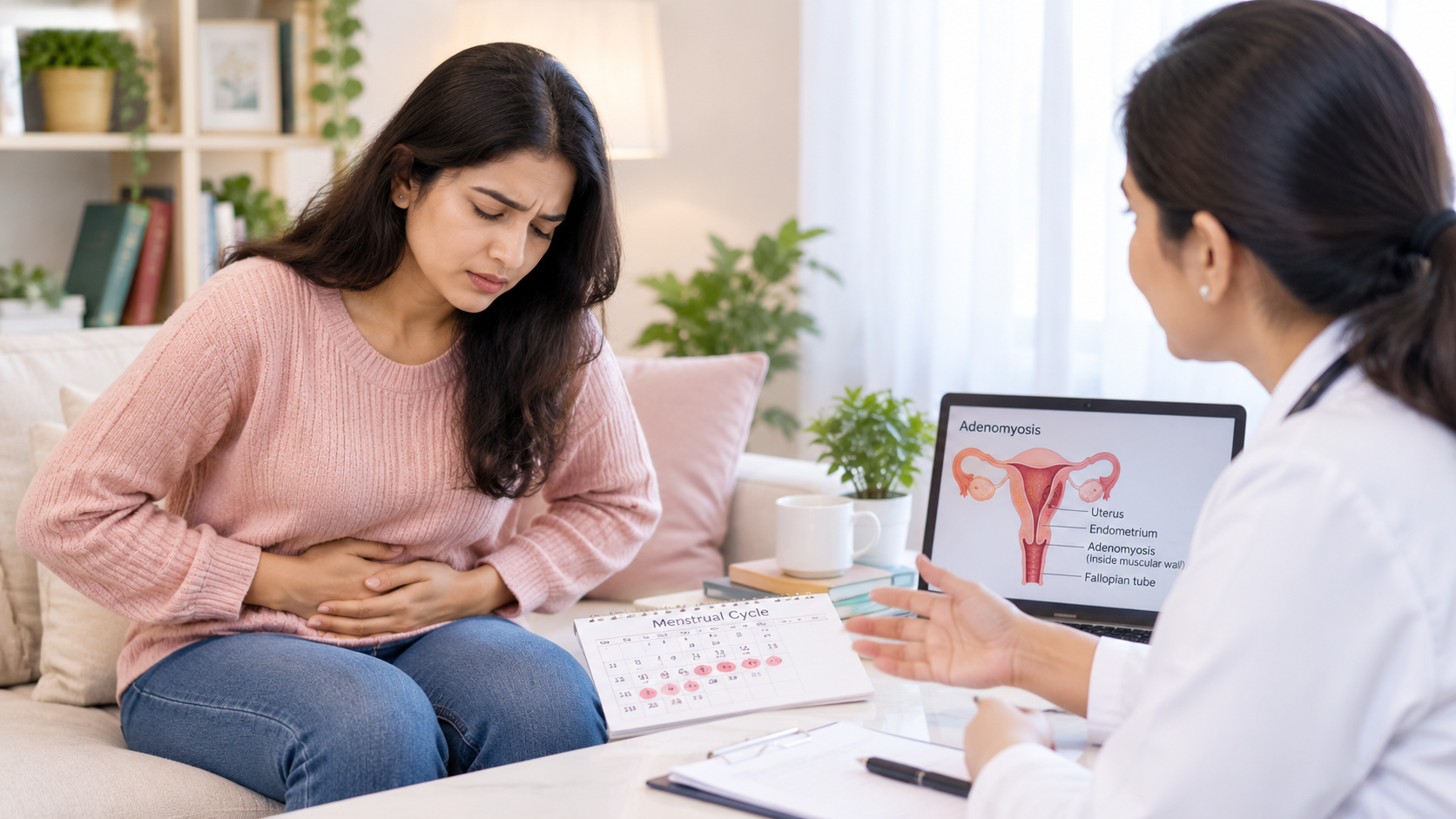
Being diagnosed with adenomyosis can raise understandable questions, especially if you are planning a pregnancy or have been trying to conceive. You may wonder whether the condition will make it harder to become pregnant, whether it affects implantation, or whether you need treatment before trying for a baby. The reassuring news is that adenomyosis does not mean pregnancy is impossible. Many women with adenomyosis can conceive, although the experience varies depending on the extent of the condition, age, other reproductive factors and overall health. Adenomyosis occurs when tissue similar to the lining of the uterus is present within the muscular wall of the uterus. It can cause painful or heavy periods and, in some women, may be associated with reduced fertility or adverse pregnancy outcomes. Understanding your individual situation can help you and your gynecologist make informed decisions about conception and treatment.
The bottom line
Yes, you can get pregnant with adenomyosis. A diagnosis does not automatically mean that you will experience infertility or need fertility treatment.
Research suggests that adenomyosis may be associated with difficulties conceiving and certain pregnancy complications in some women. However, the degree of risk varies, and an individual diagnosis alone cannot predict whether you will become pregnant.
If you are planning a pregnancy, the most useful next step is to assess your symptoms, ultrasound or MRI findings, reproductive history and any other factors that could affect fertility.
What is adenomyosis?
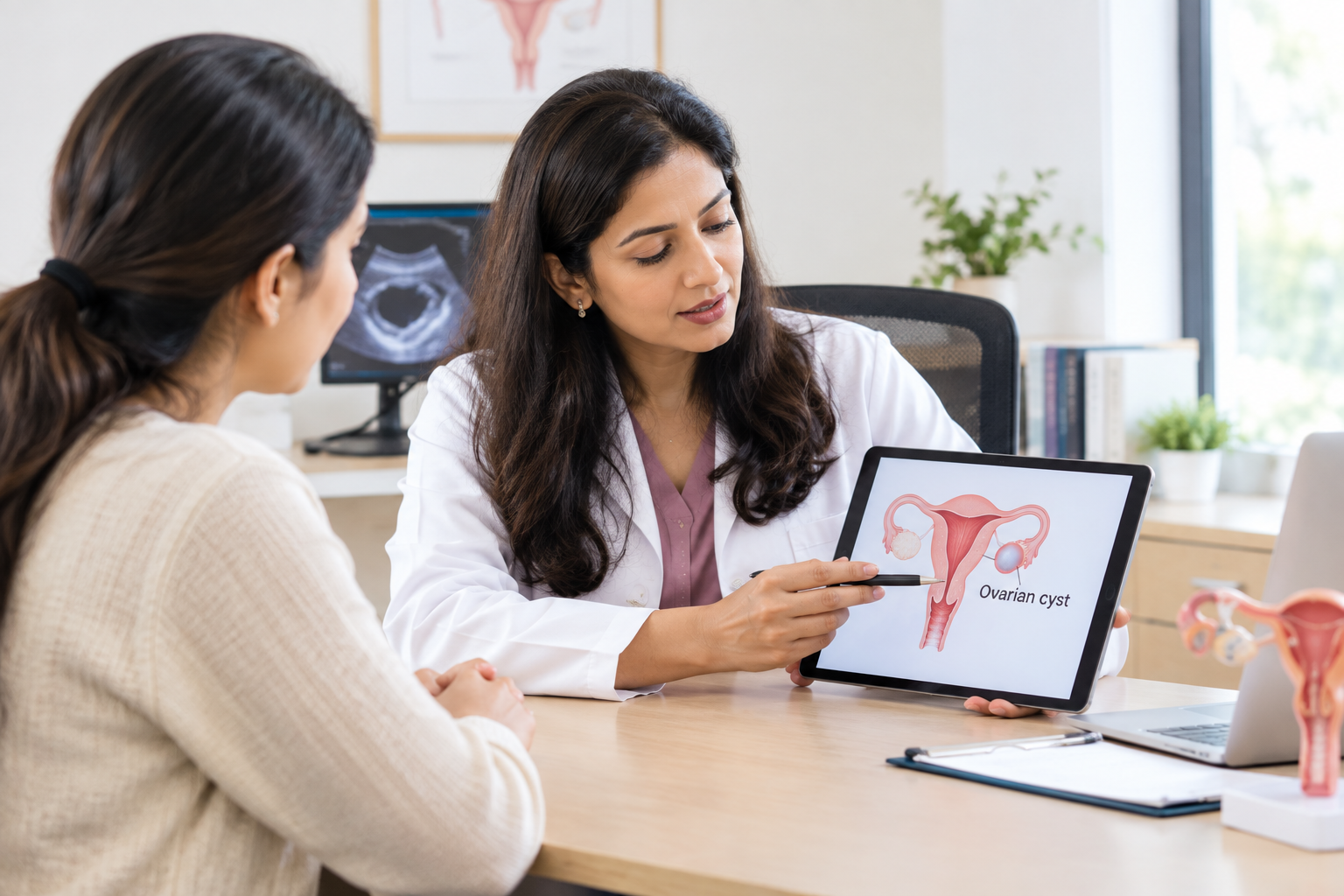
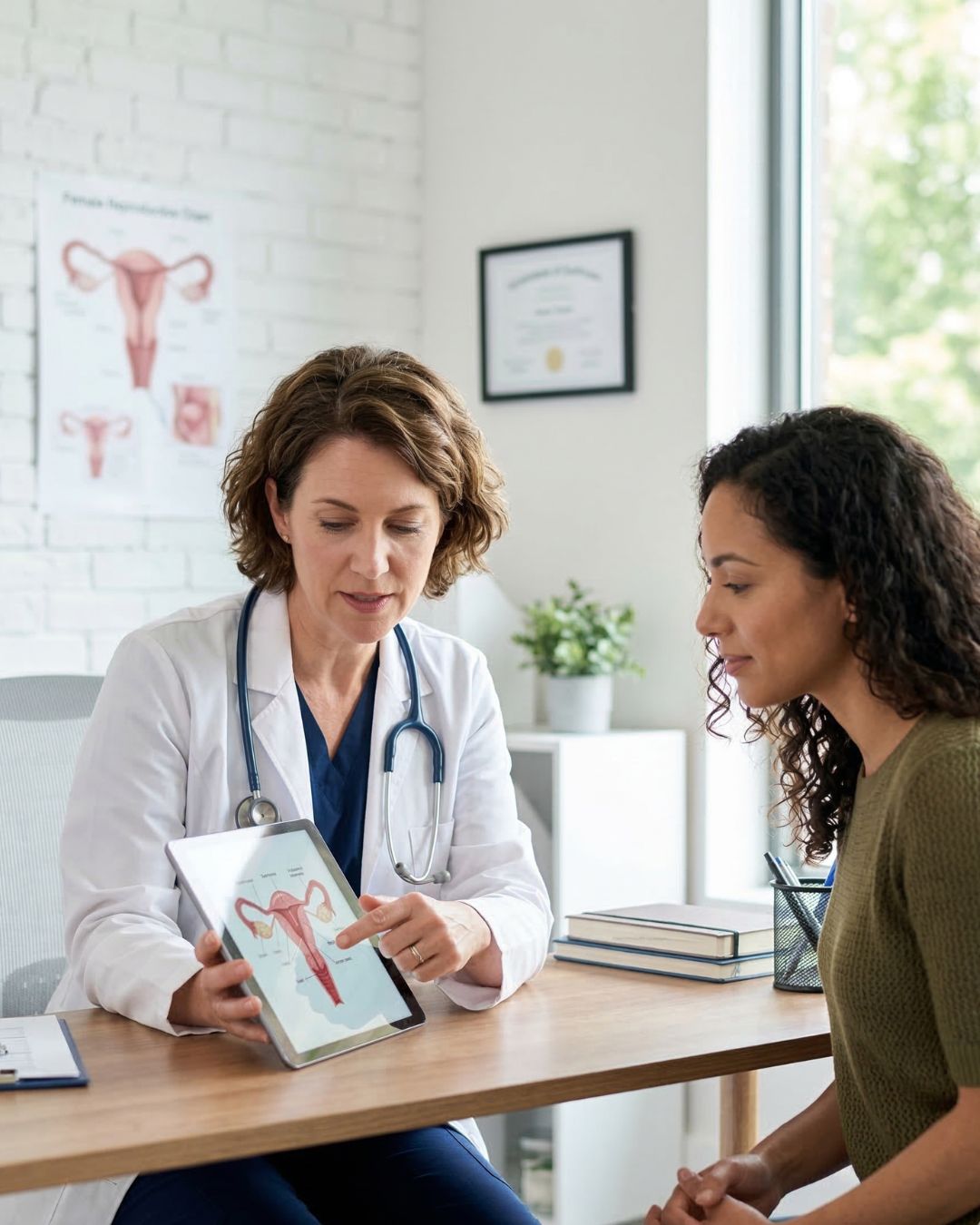
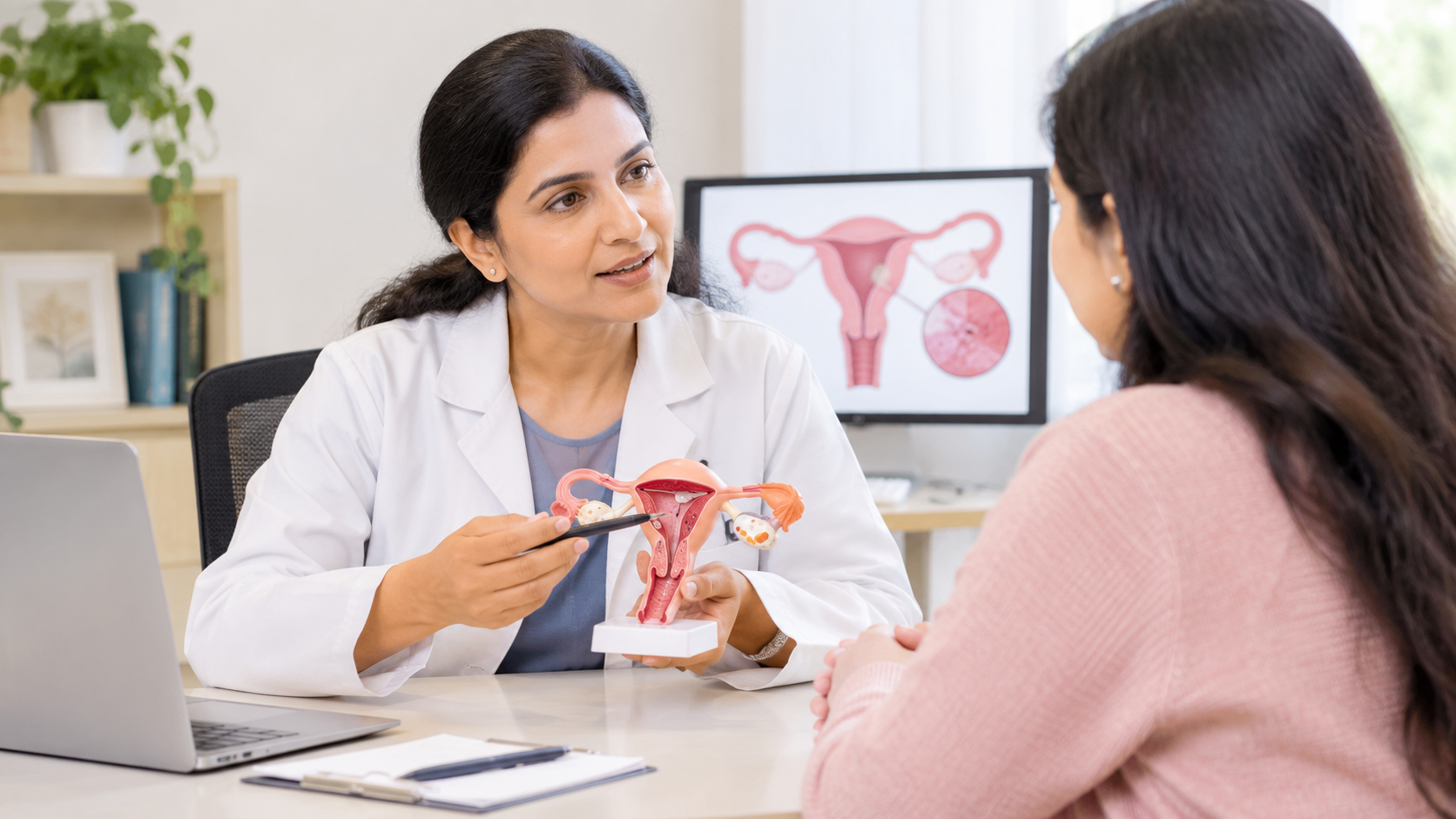
Adenomyosis is a condition in which tissue similar to the endometrium, the lining of the uterus, is found within the muscular wall of the uterus. This tissue responds to hormonal changes during the menstrual cycle and may contribute to inflammation, enlargement of the uterus and painful periods.
Some women have few or no symptoms, while others experience heavy menstrual bleeding, significant cramps, pelvic discomfort or a feeling of pressure in the lower abdomen.
Adenomyosis can occur in women of reproductive age. Its presence and severity do not necessarily correspond to the intensity of symptoms.
Can adenomyosis affect fertility?
Adenomyosis has been associated with reduced fertility in some women, but it is not the only factor that determines whether conception occurs. Some women conceive naturally without difficulty, while others may need additional evaluation or fertility support.
The condition affects the muscular wall of the uterus and may be associated with changes in uterine structure, inflammation and the environment in which an embryo implants. These are possible explanations for the association between adenomyosis and reproductive difficulties, although their importance differs between individuals.
Age, ovulation, ovarian reserve, fallopian tube function, sperm health and other medical conditions also influence fertility. It is important not to attribute every difficulty conceiving to adenomyosis alone.
How might adenomyosis affect implantation?
Implantation is the process in which an early embryo attaches to the uterine lining. A healthy uterine environment is one of several factors involved in successful implantation.
Adenomyosis may be associated with changes in uterine inflammation, muscle contractions and the local environment involved in embryo attachment. Researchers are continuing to investigate how these changes influence implantation and pregnancy outcomes.
Although adenomyosis has been associated with lower reproductive success in some studies, it does not mean that implantation cannot occur or that pregnancy is impossible.
Can you get pregnant naturally with adenomyosis?
Yes. Natural conception is possible for women with adenomyosis, particularly when ovulation is regular and there are no additional fertility problems.
If you have been diagnosed with adenomyosis but have not yet tried to conceive, you do not necessarily need treatment solely because of the diagnosis. Your doctor can help determine whether monitoring or further assessment is appropriate based on your symptoms and pregnancy plans.
If you have been trying to conceive without success, an evaluation can help identify whether adenomyosis may be contributing and whether other factors also need attention. The appropriate timing of fertility assessment depends on your age, medical history and individual circumstances.
Does adenomyosis increase the risk of miscarriage?
Some studies have found an association between adenomyosis and an increased risk of miscarriage. However, the evidence varies across studies, and the degree of risk may depend on the characteristics of the condition and other health or reproductive factors.
Adenomyosis does not mean that a miscarriage will occur. Many women with the condition have successful pregnancies, and an individual outcome cannot be predicted from the diagnosis alone.
If you have experienced pregnancy loss or have other fertility concerns, your gynecologist can review your history and discuss whether additional investigations or specialist care may be helpful.
Can adenomyosis affect pregnancy?
Adenomyosis has been associated in research with certain pregnancy complications, including miscarriage, preterm birth and some placental complications. However, the evidence is not uniform, and not every woman with adenomyosis will experience these problems.
The possible risks depend on individual circumstances, and the diagnosis does not by itself determine how a pregnancy will progress.
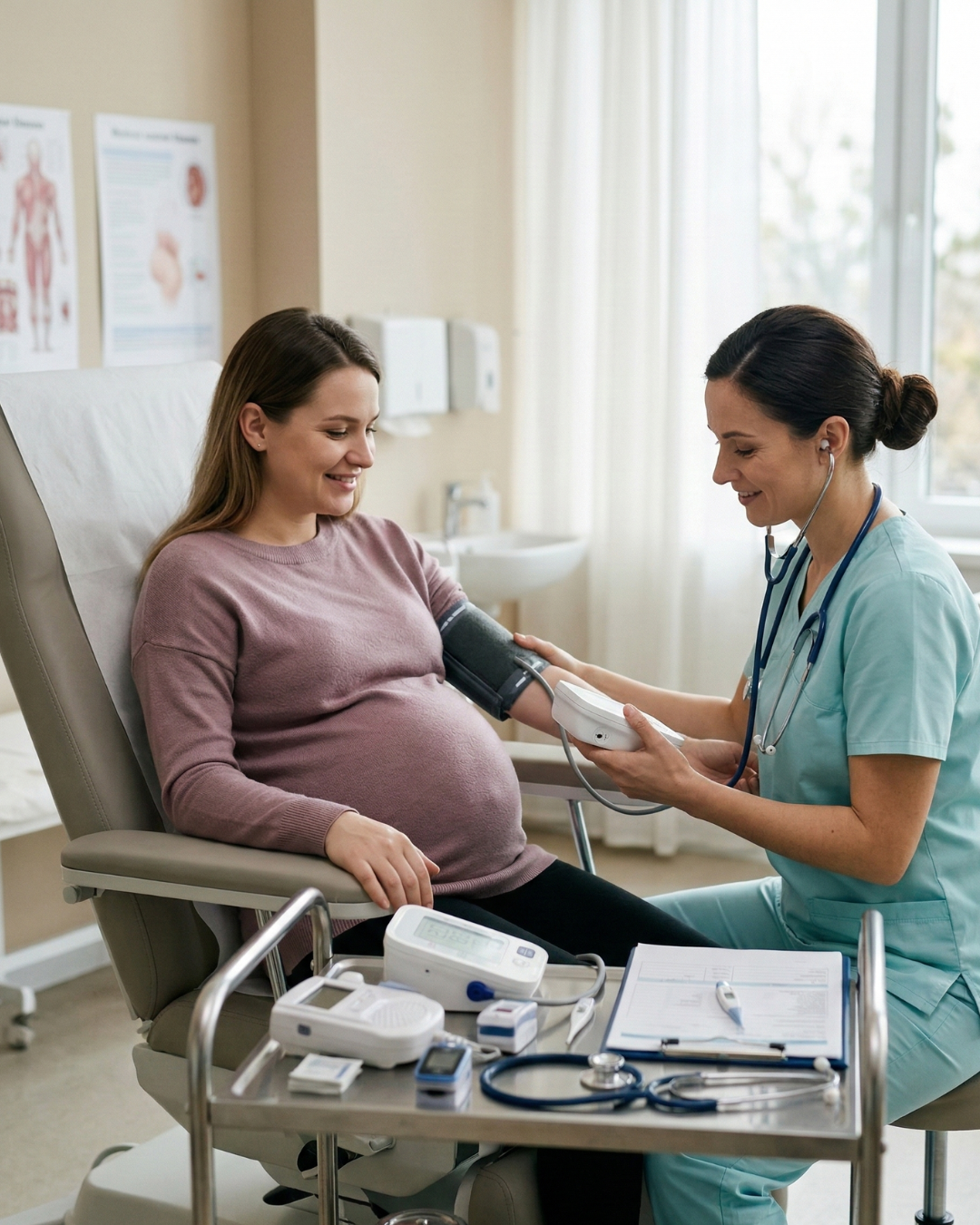
If you become pregnant with known adenomyosis, inform your obstetrician so that your medical history and any appropriate monitoring can be considered. Your care plan should be based on your pregnancy, symptoms and clinical findings.
What are the symptoms of adenomyosis?
Symptoms vary considerably. Some women discover adenomyosis during an ultrasound or fertility evaluation even though they have few symptoms.
Common symptoms may include:
- Heavy or prolonged menstrual bleeding
- Painful periods or cramps that interfere with daily activities
- Pelvic pain or discomfort
- A feeling of heaviness or pressure in the lower abdomen
- Pain during sexual intercourse in some cases
- Fatigue or weakness associated with iron-deficiency anaemia when menstrual bleeding is heavy
How is adenomyosis diagnosed?
Diagnosis usually begins with a discussion of your menstrual symptoms, medical history and reproductive plans, followed by a clinical assessment when appropriate.
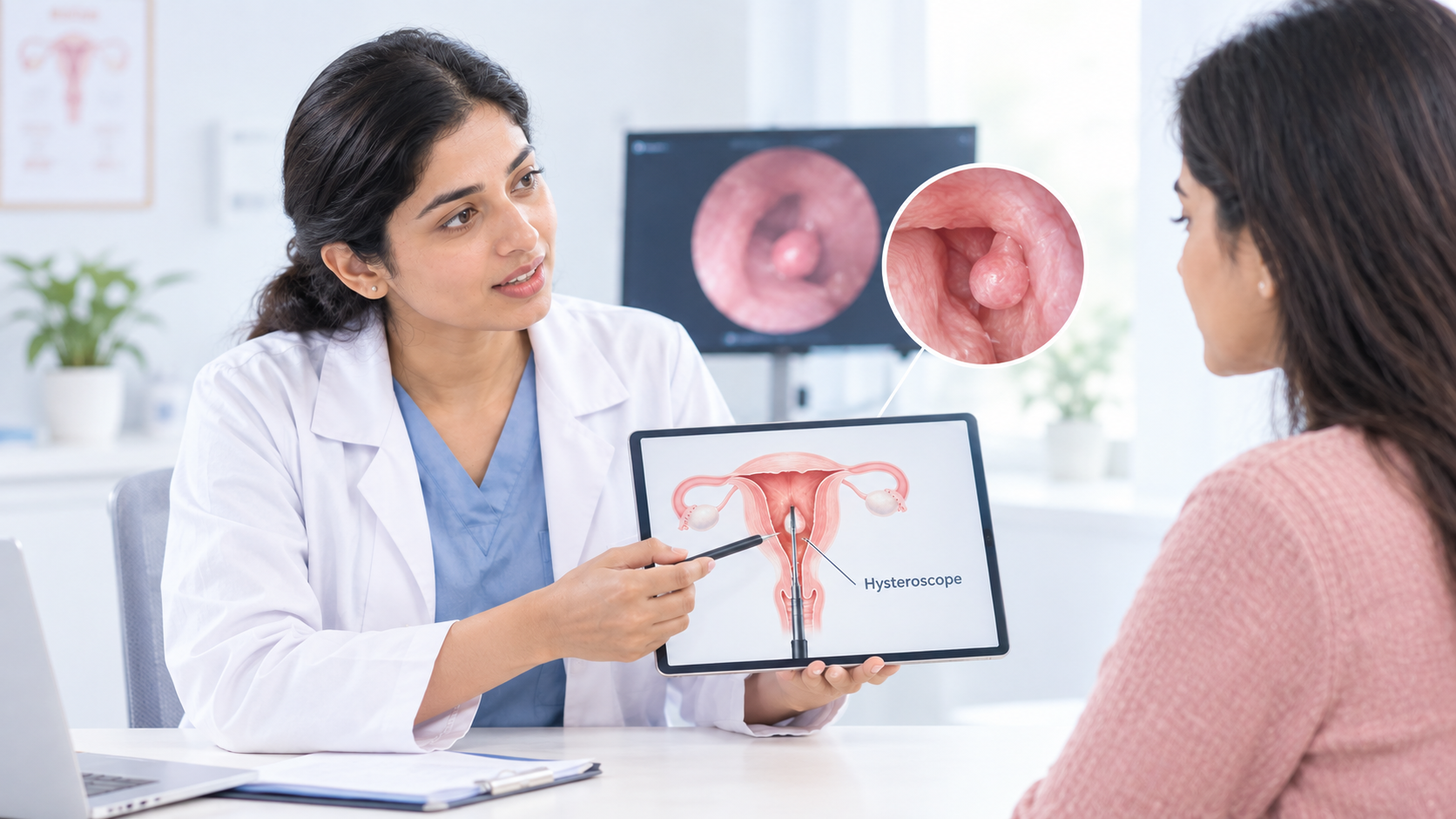
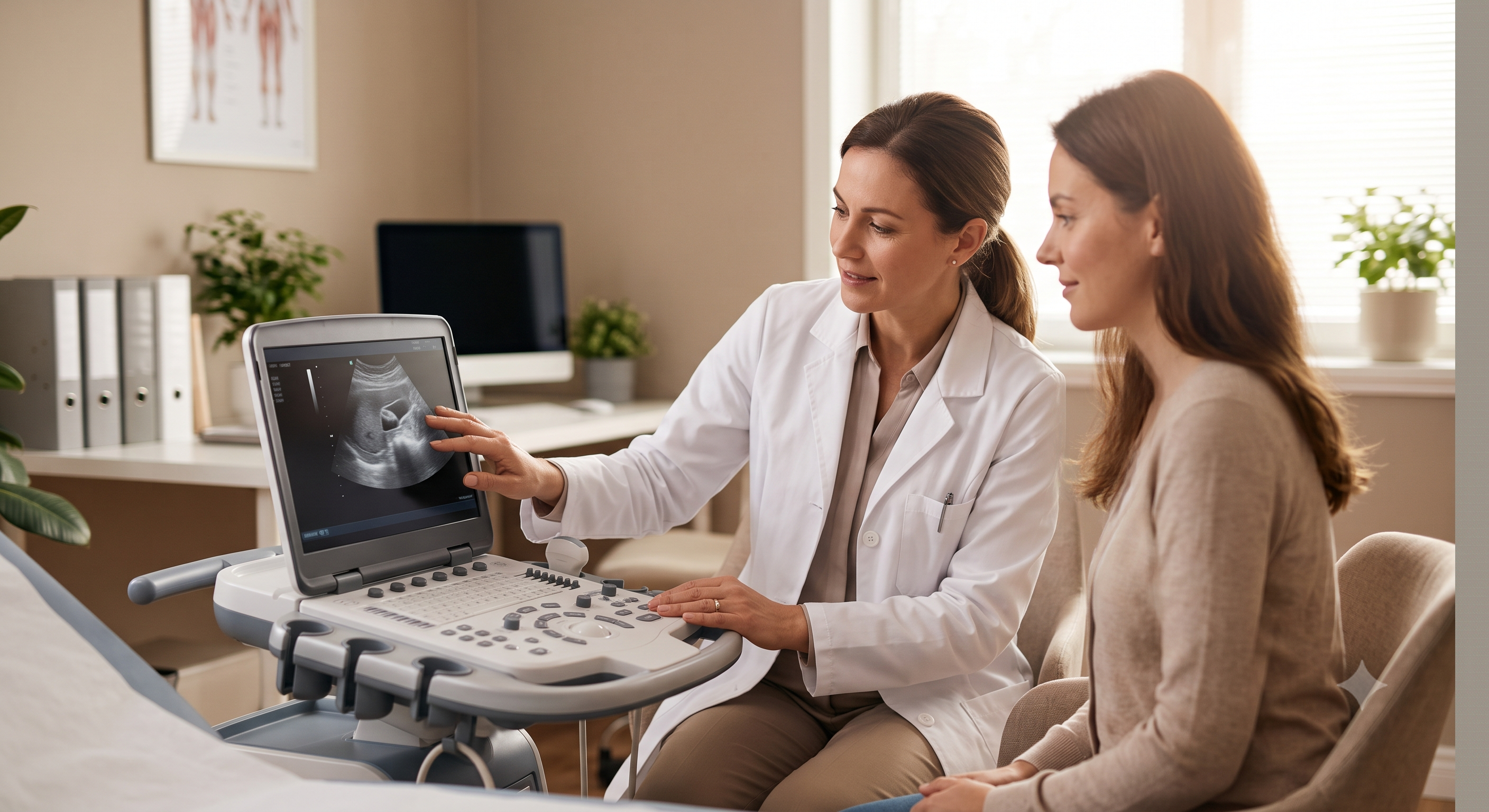
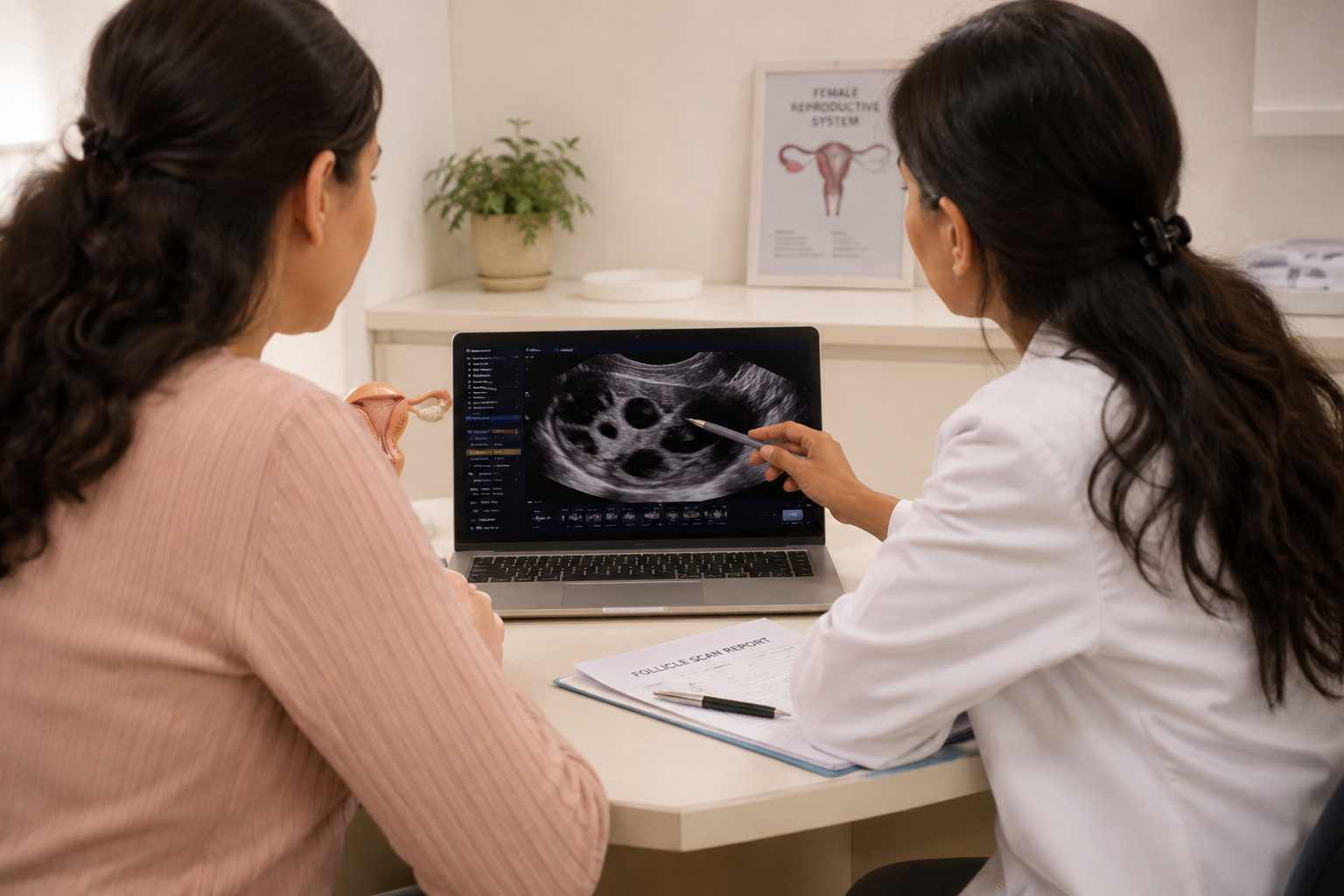
Transvaginal ultrasound is commonly used to look for features suggestive of adenomyosis. The appearance of the uterine muscle and other ultrasound findings may help the clinician assess the likelihood and extent of the condition.
Magnetic resonance imaging (MRI) may be considered when ultrasound findings are unclear or more detailed assessment is needed. Neither test is perfect, and the diagnosis is based on the overall clinical picture and imaging findings.
If you are experiencing difficulty conceiving, your doctor may also recommend other investigations based on your circumstances. These may assess ovulation, ovarian reserve, fallopian tubes or sperm factors, as adenomyosis is only one possible contributor to fertility difficulties.
What fertility treatment options are available for adenomyosis?
Treatment depends on your symptoms, age, reproductive goals, imaging findings and whether you are trying to conceive now or planning pregnancy in the future.
Some treatments for adenomyosis are mainly intended to control bleeding and pain. Others may be considered in selected fertility situations, but evidence that a particular treatment improves pregnancy or live-birth outcomes can vary.
Possible approaches include:
- Observation and individualised planning: appropriate for some women with mild symptoms who do not require immediate treatment.
- Pain and bleeding management: options may be discussed when symptom control is the main goal, taking pregnancy plans into account.
- Hormonal treatment: certain medicines may help control symptoms, but many hormonal options prevent conception while being used and are not suitable for someone actively trying to become pregnant.
- Fertility treatment: depending on age, other fertility factors and treatment history, assisted reproduction such as IVF may be discussed.
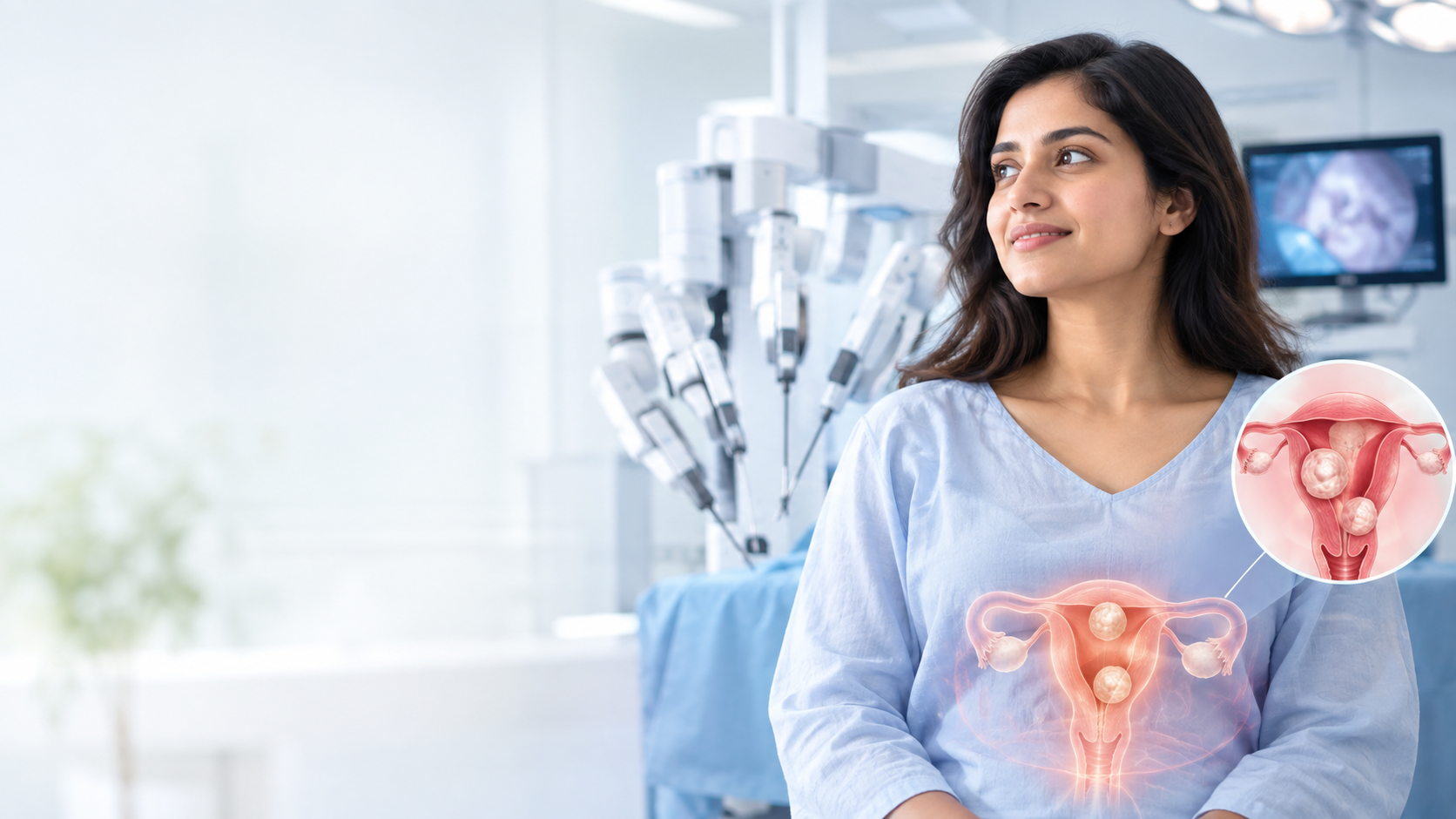
- Selected specialist procedures: options may be considered for carefully selected cases after discussing potential effects on the uterus and future pregnancy.
Can IVF help if you have adenomyosis?
IVF may be an option for women with adenomyosis who have difficulty conceiving or who have other indications for assisted reproduction. Whether IVF is appropriate depends on the complete fertility assessment, not solely on the presence of adenomyosis.
A fertility specialist may consider factors such as age, ovarian reserve, duration of infertility, previous treatment outcomes and the imaging characteristics of adenomyosis when planning treatment.
In selected cases, medication may be discussed before an IVF cycle. However, the best approach and the evidence supporting pretreatment vary, and treatment should be individualised rather than routinely recommended for everyone with adenomyosis.
IVF does not guarantee pregnancy. Your specialist can explain the potential benefits, limitations and alternatives relevant to your situation.
Should adenomyosis be treated before trying to conceive?
Not necessarily. Treatment is not automatically required before pregnancy simply because adenomyosis has been identified.
If symptoms are mild and there are no other concerns, your doctor may discuss trying to conceive without specific treatment for adenomyosis. If you have severe symptoms, a history of fertility difficulties or relevant imaging findings, a more detailed plan may be appropriate.
The decision should balance symptom relief, the potential effect of treatment on conception, your age and the time available for family planning. Some hormonal treatments are not compatible with actively trying to become pregnant, so it is important to discuss your plans before starting medication.
Consider seeking fertility advice without unnecessary delay if you are concerned about conception, particularly if you are 35 or older or have other known fertility factors.
Can surgery cure adenomyosis and improve fertility?
Surgical treatment for adenomyosis is complex because the abnormal tissue is located within the uterine muscle rather than forming a clearly separate mass in every case.
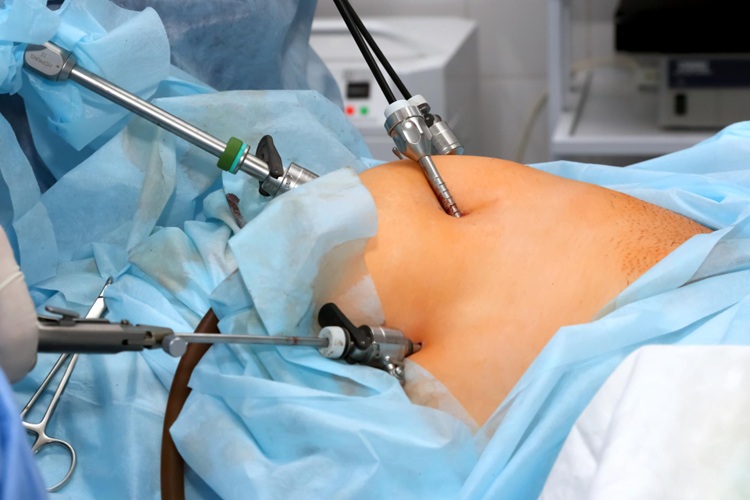
In carefully selected patients, specialised conservative procedures may be considered. However, these procedures can carry risks, including weakening of the uterine wall and complications in a future pregnancy. The evidence for fertility benefits varies, and surgery is not appropriate for everyone.
Hysterectomy removes the uterus and is a definitive treatment for adenomyosis, but it eliminates the ability to carry a pregnancy. It is therefore not a fertility-preserving option for someone who wishes to become pregnant.
If you are considering any procedure, discuss its potential benefits, risks, alternatives and implications for future pregnancy with a gynecologist experienced in managing adenomyosis.
Adenomyosis vs endometriosis: What is the difference?
Adenomyosis and endometriosis are related but distinct conditions. Adenomyosis involves tissue similar to the uterine lining within the muscular wall of the uterus. Endometriosis involves similar tissue outside the uterus, commonly affecting structures such as the ovaries and pelvic tissues.
Both conditions can cause pelvic pain and painful periods, and both have been associated with fertility difficulties. They can also occur together.
Distinguishing between them can help guide investigation and treatment. The most appropriate plan depends on the symptoms, examination and imaging findings, fertility goals and whether one or both conditions are present.
When should you consult a gynecologist or fertility specialist?
Consider arranging an assessment if you have adenomyosis and are planning a pregnancy, particularly if you have significant symptoms or concerns about fertility.
A consultation may be useful if:
- You have been diagnosed with adenomyosis and want to understand your pregnancy options.
- Your periods are very painful, heavy or increasingly difficult to manage.
- You have been trying to conceive without success.
- You have experienced recurrent pregnancy loss and want to discuss an appropriate evaluation.
- You have been advised to take hormonal medication or undergo a procedure but hope to become pregnant.
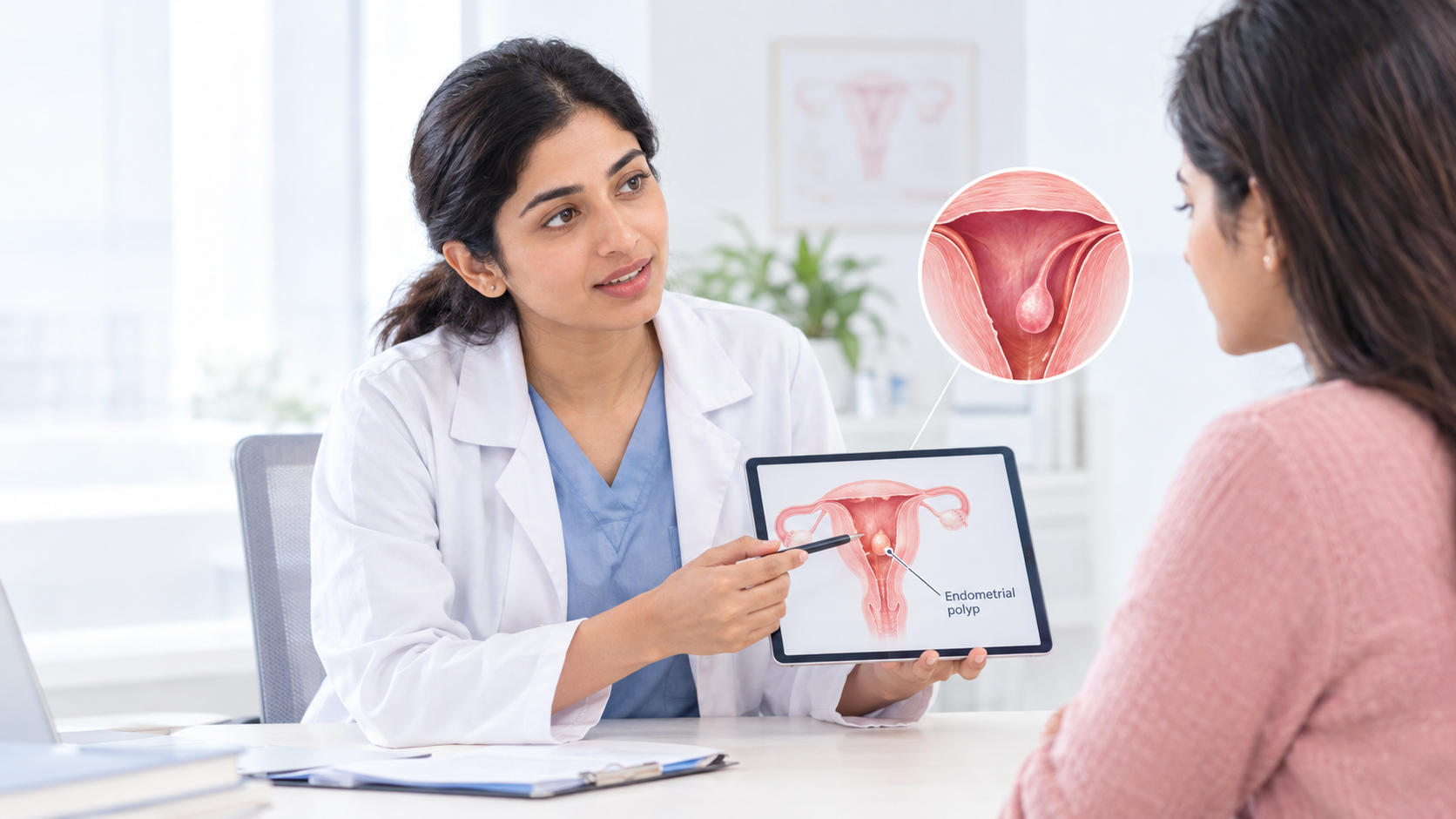
- You have adenomyosis alongside endometriosis, fibroids or another condition that may affect fertility.
The takeaway
Adenomyosis does not mean that you cannot get pregnant. Many women with the condition conceive, although adenomyosis may be associated with fertility difficulties and certain pregnancy complications in some cases.
The right approach depends on your symptoms, age, reproductive history, imaging findings and whether you are trying to conceive now. Treatment options should be selected carefully, especially when future pregnancy is a priority.
If you have adenomyosis and are planning a family, a personalised consultation can help you understand your options and make informed decisions without assuming that infertility is inevitable.
Common questions
Can you get pregnant naturally with adenomyosis?
Yes. Many women with adenomyosis conceive naturally. The condition may be associated with fertility difficulties in some women, but it does not automatically cause infertility. Your age, ovulation, reproductive history and other fertility factors are important when assessing your individual chances.
Does adenomyosis cause infertility?
Adenomyosis has been associated with reduced fertility in some women, but not everyone with the condition experiences difficulty conceiving. A complete fertility assessment can help determine whether adenomyosis or another factor may be contributing.
Can adenomyosis affect embryo implantation?
Adenomyosis may be associated with changes in the uterine environment that could affect implantation, although the exact mechanisms and degree of effect vary. A diagnosis does not mean that implantation cannot occur or that pregnancy is impossible.
Does adenomyosis increase the risk of miscarriage?
Some studies have reported an association between adenomyosis and an increased risk of miscarriage, but the evidence varies and individual outcomes cannot be predicted from the diagnosis alone. If you have experienced pregnancy loss, your gynecologist can help determine whether further evaluation is appropriate.
Can IVF work if you have adenomyosis?
IVF may be an option for women with adenomyosis who have difficulty conceiving or other indications for assisted reproduction. The treatment plan may depend on age, ovarian reserve, imaging findings and previous fertility history. IVF does not guarantee pregnancy.
Should adenomyosis be treated before pregnancy?
Not everyone needs treatment before trying to conceive. The decision depends on symptoms, the extent of the condition, fertility history and reproductive goals. Some hormonal treatments are not suitable while actively trying to become pregnant, so discuss your plans with your gynecologist before starting treatment.
Can adenomyosis cause complications during pregnancy?
Adenomyosis has been associated with certain pregnancy complications in research, but not every woman with the condition experiences them. If you become pregnant, tell your obstetrician about your diagnosis so your care can be planned according to your individual circumstances.
What is the difference between adenomyosis and endometriosis?
Adenomyosis involves tissue similar to the uterine lining within the muscular wall of the uterus. Endometriosis involves similar tissue outside the uterus. Both conditions can cause pain and may be associated with fertility difficulties, and they can occur together.
Can adenomyosis be cured?
Treatment depends on symptoms and reproductive goals. Medicines may help manage symptoms, while selected procedures may be considered in particular circumstances. Hysterectomy is a definitive treatment but removes the uterus and prevents carrying a future pregnancy. It is not an option for someone seeking to preserve the ability to become pregnant.
Which scan can diagnose adenomyosis?
Transvaginal ultrasound is commonly used to look for features of adenomyosis. MRI may be considered when ultrasound findings are unclear or more detailed assessment is needed. Your doctor will interpret the imaging alongside your symptoms and medical history.