Gestational diabetes mellitus (GDM) is a condition in which blood glucose levels become elevated during pregnancy in women who did not previously have diabetes diagnosed. Pregnancy hormones can affect insulin sensitivity, making it harder for the body to maintain normal blood sugar levels. Gestational diabetes often does not cause noticeable symptoms, which is why screening during pregnancy is important. With appropriate monitoring, dietary guidance, physical activity and medication when needed, many women can manage the condition effectively and reduce pregnancy-related risks.
What Is Gestational Diabetes?
Gestational diabetes is diabetes diagnosed during pregnancy, usually when the body's insulin response is insufficient to meet increased metabolic demands.
Insulin helps glucose move from the bloodstream into cells. During pregnancy, hormones produced by the placenta increase insulin resistance. If the pancreas cannot produce enough insulin to compensate, blood glucose levels rise.
Gestational diabetes can develop even in women who have never experienced diabetes before and may occur without obvious symptoms.
It is different from diabetes that was already present before pregnancy, although early pregnancy testing may identify previously undiagnosed diabetes.
Symptoms of Gestational Diabetes
Most women with gestational diabetes do not experience clear symptoms, particularly during the early stages.
Some women may notice increased thirst, frequent urination, fatigue or blurred vision, but these symptoms can also occur during an otherwise normal pregnancy.
Because symptoms are unreliable for identifying high blood sugar, routine antenatal screening is important.
A normal-feeling pregnancy does not rule out gestational diabetes.
Causes and Risk Factors
Gestational diabetes develops when pregnancy-related insulin resistance exceeds the body's ability to maintain normal blood glucose levels.
Several factors may increase the likelihood of developing gestational diabetes, although women without known risk factors can also develop it.
Risk factors may include a previous pregnancy affected by gestational diabetes, a history of delivering a baby with higher birth weight, overweight or obesity before pregnancy, a family history of diabetes and certain metabolic conditions.
Previous abnormal glucose testing or a history of polycystic ovary syndrome may also be relevant.
Having a risk factor does not mean gestational diabetes is inevitable. Screening and appropriate antenatal care help identify the condition.
When Is Gestational Diabetes Tested?
Gestational diabetes screening is commonly performed between 24 and 28 weeks of pregnancy.
Women with certain risk factors or suspected pre-existing diabetes may need earlier testing, depending on their medical history and local clinical recommendations.
Screening protocols vary between healthcare settings. Some use a glucose challenge followed by additional testing when results are abnormal, while others use a different glucose testing approach.
Your obstetrician will recommend the appropriate test and explain any preparation required.
An abnormal screening result does not always mean diabetes is confirmed. Additional testing may be needed depending on the protocol.
How Is Gestational Diabetes Diagnosed?
Diagnosis is based on blood glucose testing according to the pregnancy-specific criteria used by the healthcare provider.
An oral glucose tolerance test (OGTT) measures blood glucose at specified times after drinking a glucose solution. The exact protocol and diagnostic thresholds may vary.
The results are interpreted by the treating clinician to determine whether gestational diabetes is present.
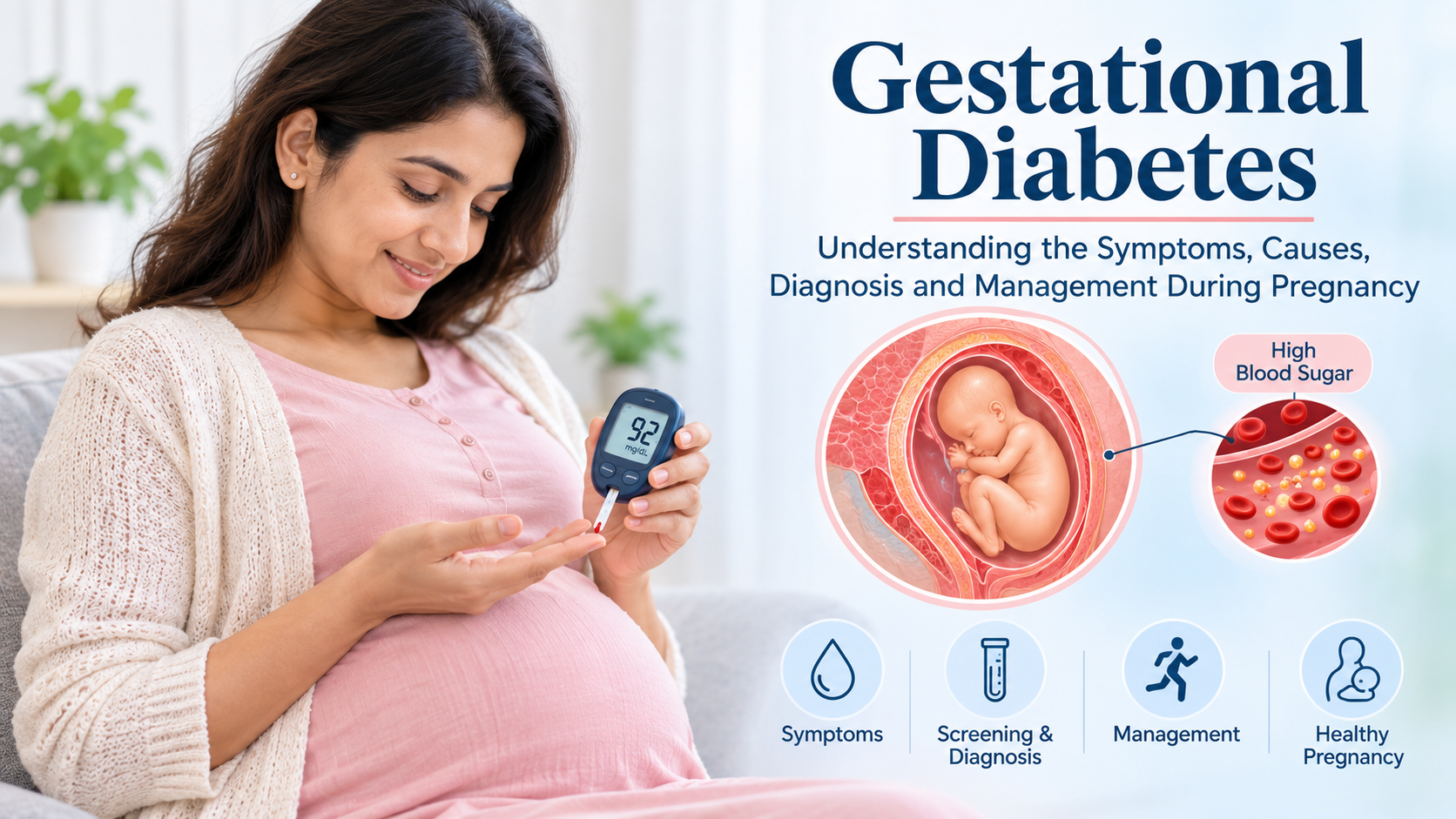
Women diagnosed with gestational diabetes may be advised to monitor blood glucose at home using a glucose meter or another recommended monitoring system.
Regular review helps assess whether glucose levels are within the individual targets set during pregnancy.
How Can Gestational Diabetes Affect Pregnancy?
When blood glucose remains elevated, additional glucose can cross the placenta and influence fetal growth.
Gestational diabetes may increase the risk of a baby growing larger than expected, which can make delivery more complicated in some cases.
Other possible complications include increased likelihood of birth-related injuries, hypertensive disorders of pregnancy and newborn low blood sugar after birth.
Some women may have an increased likelihood of requiring induction of labour or caesarean delivery, depending on glucose control, fetal growth and other obstetric factors.
These risks are not inevitable. Appropriate monitoring and management can help reduce complications.
Management of Gestational Diabetes
The goal of treatment is to maintain blood glucose within the targets recommended by the obstetric and diabetes care team while supporting adequate nutrition for mother and baby.
Management commonly begins with individualised dietary guidance, regular physical activity when medically appropriate and monitoring blood glucose.
A balanced eating plan may include appropriate portions of carbohydrates, protein, fibre-rich foods and healthy fats distributed across meals and snacks.
Avoiding excessive sugary drinks and highly refined carbohydrate intake may help improve glucose control, but complete elimination of carbohydrates is generally not recommended during pregnancy.
Regular activity, such as walking after meals, may support blood glucose management when approved by the treating clinician.
If glucose levels remain above target despite lifestyle measures, medication may be recommended. Insulin is commonly used when necessary, while other medication options depend on clinical guidance and individual circumstances.
Blood Sugar Monitoring During Pregnancy
Women with gestational diabetes may be asked to check blood glucose at specific times, such as fasting and after meals.
The frequency of testing and target levels are individualised according to the treating team.
Keeping a record of glucose readings, meals, activity and medication can help identify patterns and guide treatment adjustments.
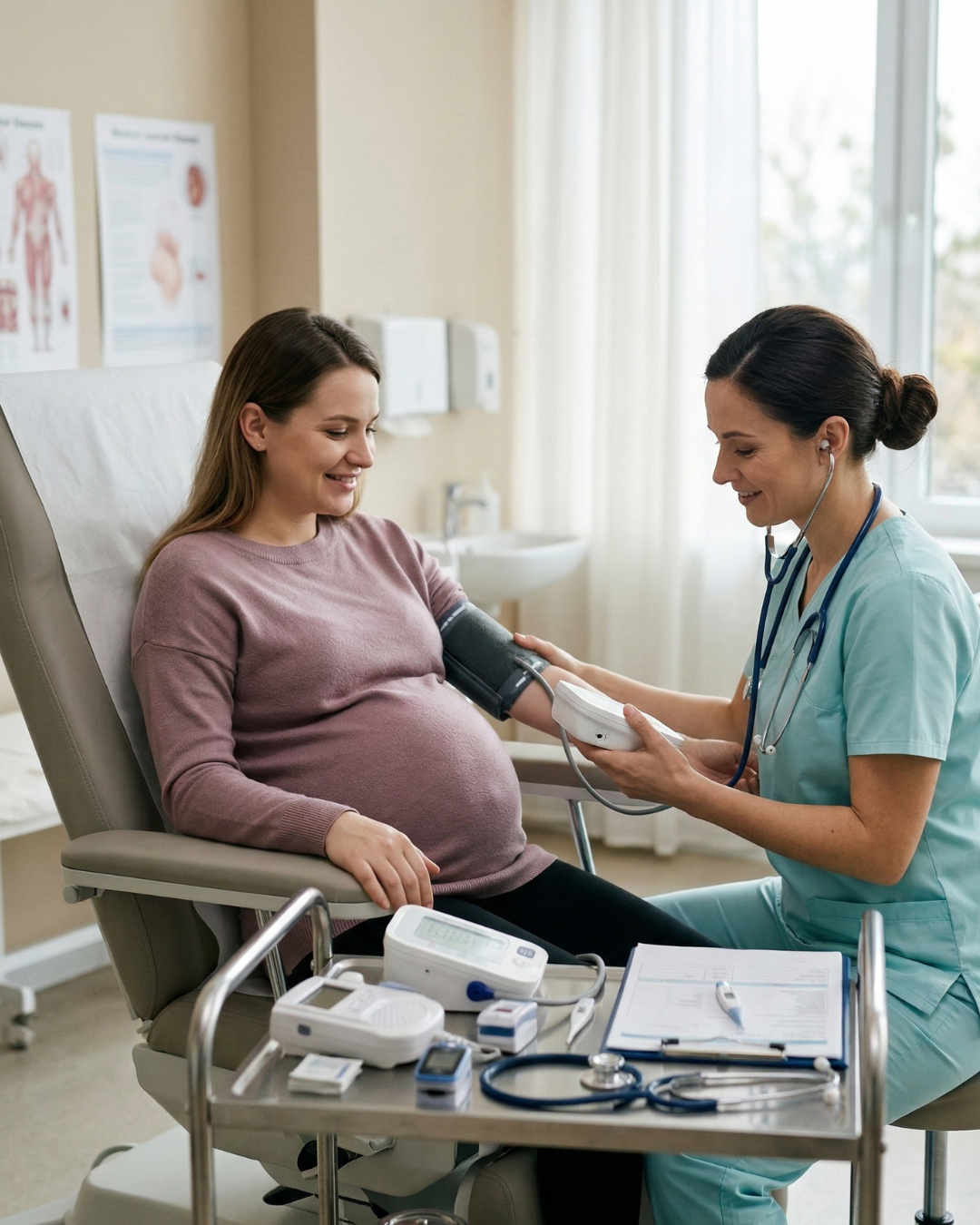
Regular antenatal appointments may include assessment of maternal health, fetal growth and whether additional monitoring is required.
Medication doses should only be changed according to medical advice.
Delivery and Baby Monitoring
The timing and mode of delivery depend on blood glucose control, fetal growth, maternal health and other pregnancy-related factors.
Gestational diabetes alone does not automatically mean that a caesarean delivery is necessary.
The obstetrician may recommend additional fetal growth assessment or other monitoring when clinically indicated.
After birth, babies of mothers with gestational diabetes may need blood glucose monitoring because newborn hypoglycaemia can occur.
The delivery plan should be discussed individually with the obstetric team as pregnancy progresses.
Does Gestational Diabetes Go Away After Delivery?
Blood glucose levels often improve after delivery because pregnancy-related insulin resistance decreases.
However, women who have experienced gestational diabetes have a higher future risk of developing type 2 diabetes.
Postpartum glucose testing is important to determine whether blood sugar has returned to normal or diabetes or prediabetes is present.
A glucose assessment is commonly recommended around 4 to 12 weeks after delivery, with continued screening at intervals thereafter.
Healthy eating, regular physical activity and maintaining a healthy weight where appropriate can support long-term metabolic health.
When Should You Consult Your Obstetrician?
Attend recommended antenatal appointments and complete gestational diabetes screening at the advised time.
Women with abnormal glucose readings, excessive thirst, recurrent urinary symptoms or concerns about fetal growth should discuss them with their healthcare provider.
If gestational diabetes has been diagnosed, seek guidance when readings repeatedly exceed targets or symptoms suggest low blood sugar during treatment.
Prompt medical assessment is important for severe symptoms, persistent vomiting, significant weakness or other concerning changes.
Individualised antenatal care helps coordinate glucose management, fetal monitoring and delivery planning.
Conclusion
Gestational diabetes is a common pregnancy complication that can develop even in women without previous diabetes.
Routine screening, appropriate blood glucose monitoring and individualised treatment help support maternal and fetal health.
Many women manage gestational diabetes successfully with dietary guidance, activity and medication when required.
Continued postpartum glucose testing and long-term health monitoring are also important after pregnancy.
Resources
Common questions
What is gestational diabetes?
Gestational diabetes is high blood sugar diagnosed during pregnancy when the body's insulin response cannot adequately meet pregnancy-related metabolic demands.
Does gestational diabetes cause symptoms?
Most women have no noticeable symptoms. Some may experience thirst, frequent urination or fatigue, but screening is needed because symptoms alone cannot reliably identify the condition.
When should I get tested for gestational diabetes?
Screening is commonly performed between 24 and 28 weeks of pregnancy. Women with certain risk factors may need earlier testing according to their obstetrician's advice.
Can gestational diabetes affect my baby?
Uncontrolled blood glucose may increase the risk of excessive fetal growth, newborn low blood sugar and certain delivery complications. Appropriate management helps reduce these risks.
Can gestational diabetes be managed without insulin?
Some women manage glucose levels with individualised nutrition, physical activity and monitoring. Insulin or other medication may be needed if glucose levels remain above the recommended targets.
Does gestational diabetes mean I need a C-section?
No. Gestational diabetes alone does not automatically require a caesarean delivery. The delivery plan depends on glucose control, fetal growth and other obstetric factors.
Does gestational diabetes disappear after delivery?
Blood glucose often improves after delivery, but postpartum testing is important because some women continue to have abnormal glucose levels and have an increased future risk of type 2 diabetes.
Can gestational diabetes occur in a woman without diabetes before pregnancy?
Yes. Gestational diabetes can develop during pregnancy in women who did not previously have diabetes, including women without recognised risk factors.